
ABS sensors
-
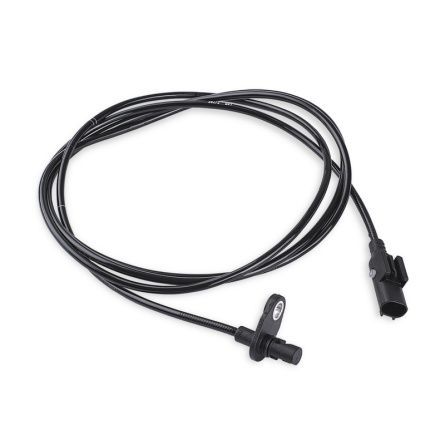
Rotational Speed Sensor
MercedesA9069050801$63.69 -
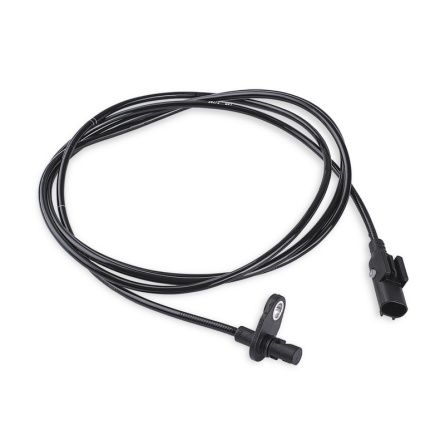
Rotational Speed Sensor
MercedesA9065404117$63.69 -
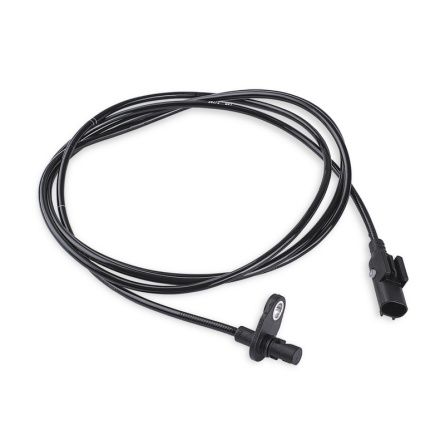
Rotational Speed Sensor
MercedesA9069050901$63.69 -
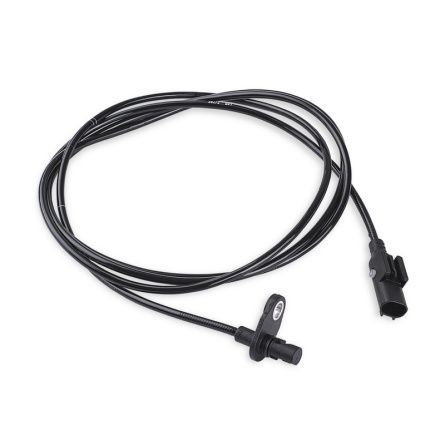
Rotational Speed Sensor
MercedesA9065404217$63.69 -
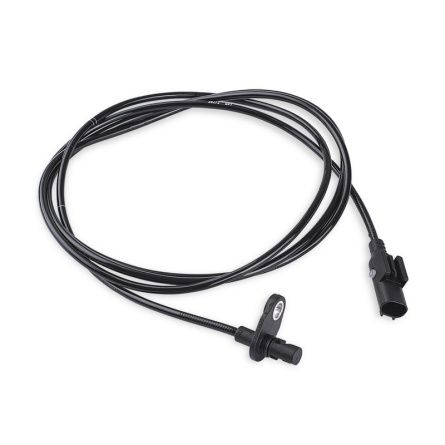
Rotational Speed Sensor
MercedesA9065400117$63.69 -
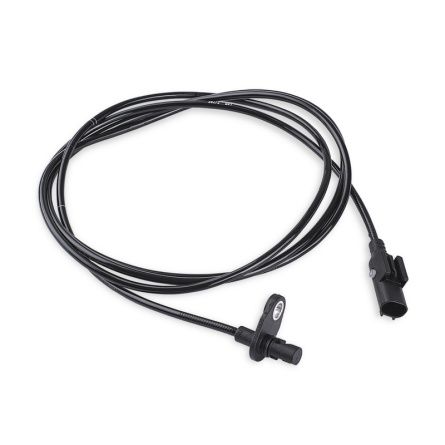
Rotational Speed Sensor
Volkswagen2E0927748B$63.69 -
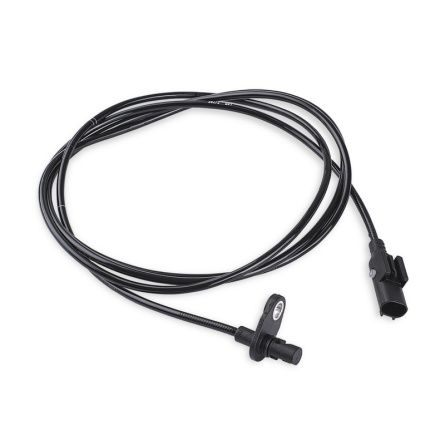
Rotational Speed Sensor
Volkswagen2E0927748P$63.69 -
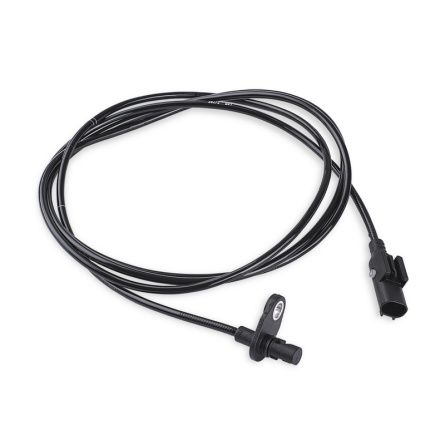
Rotational Speed Sensor
Volkswagen2E0927748F$63.69 -
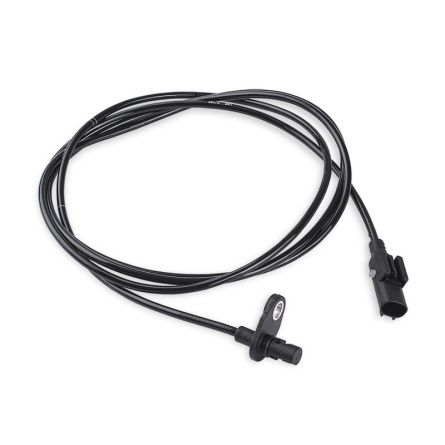
Rotational Speed Sensor
Volkswagen2E0927748AA$63.69 -
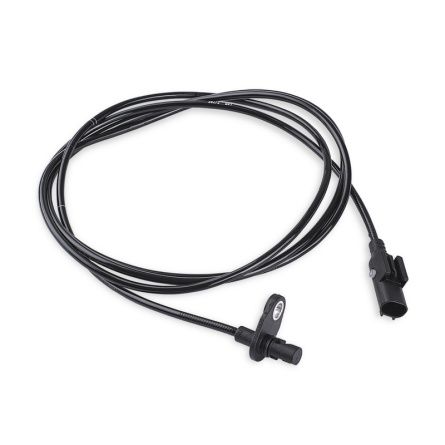
Rotational Speed Sensor
Volkswagen2E0927748S$63.69 -
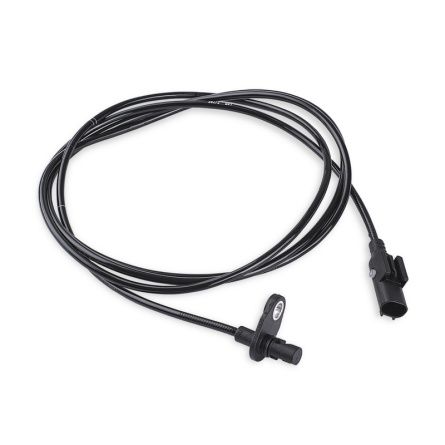
Rotational Speed Sensor
MercedesA9065400217$63.69 -
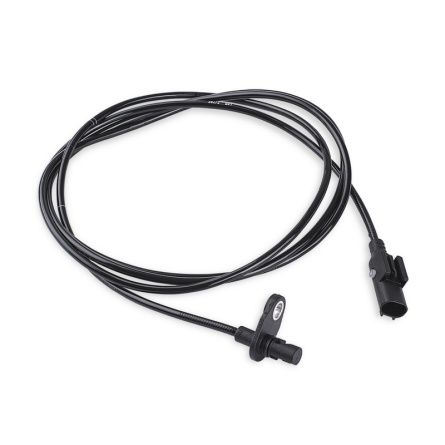
Rotational Speed Sensor
Volkswagen2E0927801A$63.69 -
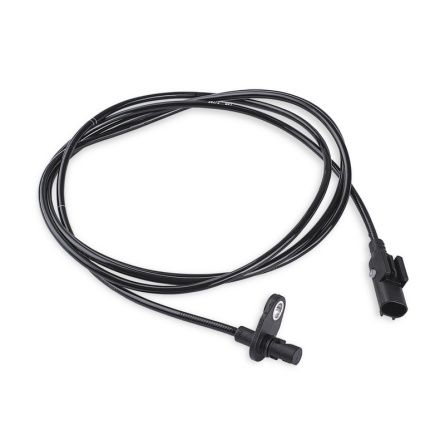
Rotational Speed Sensor
Volkswagen2E0927748N$63.69 -
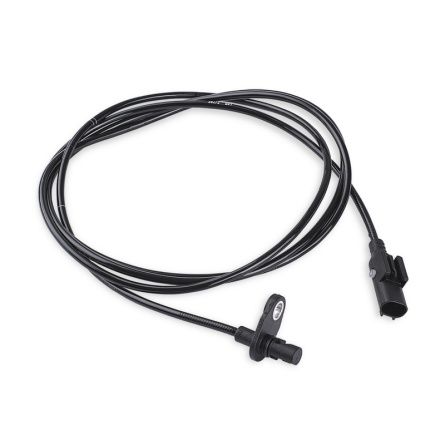
Rotational Speed Sensor
Volkswagen2E0927748T$63.69 -
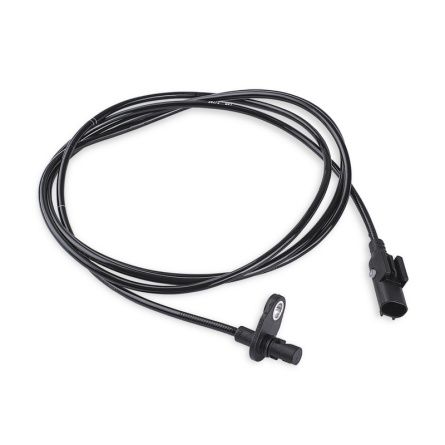
Rotational Speed Sensor
Volkswagen2E0927748G$63.69 -
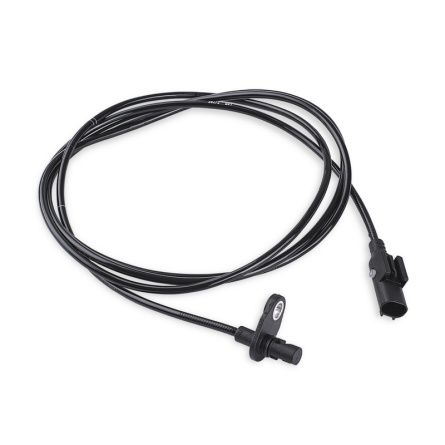
Rotational Speed Sensor
Volkswagen2E0927748C$63.69 -
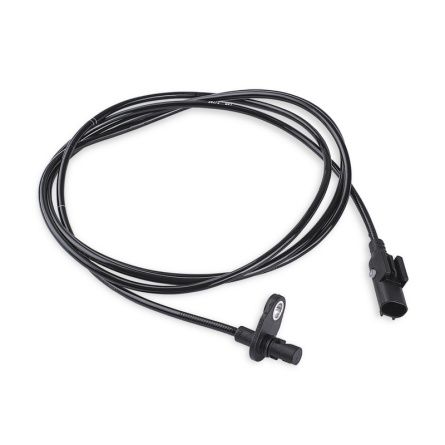
Rotational Speed Sensor
Volkswagen2E0927748AB$63.69 -
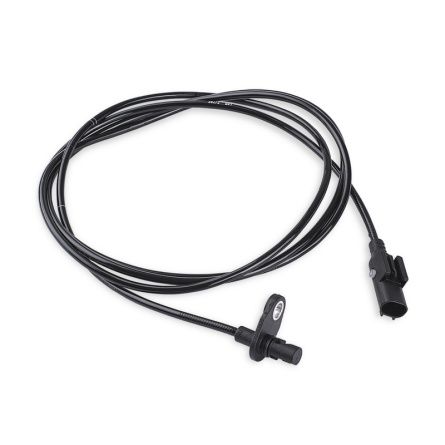
Rotational Speed Sensor
Volkswagen2E0927748M$63.69 -
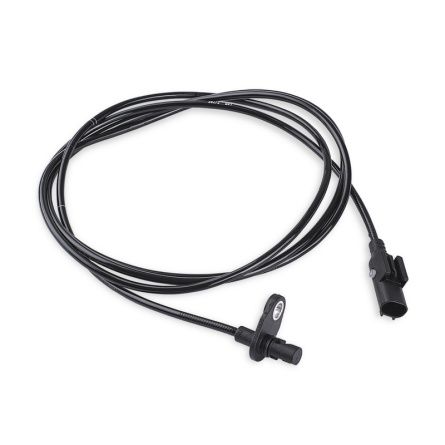
Rotational Speed Sensor
MercedesA9069053501$63.69 -
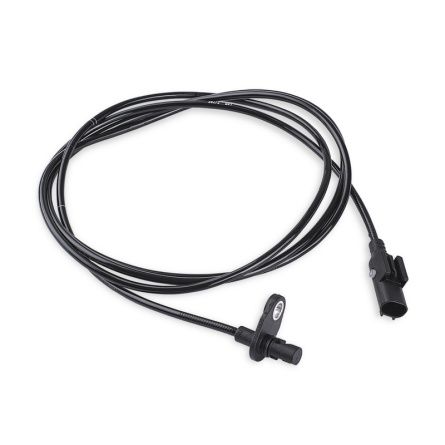
Rotational Speed Sensor
MercedesA9069053601$63.69 -
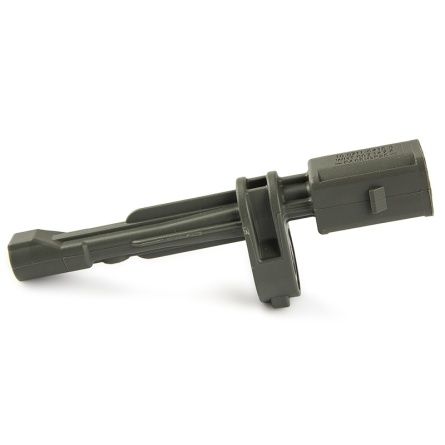
Rotational Speed Sensor
VolkswagenWHT007147A$22.74 -
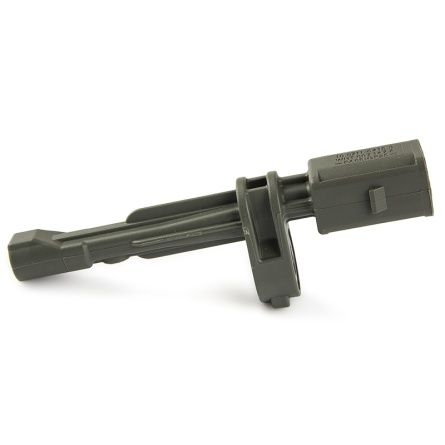
Rotational Speed Sensor
VolkswagenWHT007147B$22.74
ABS sensors
In today’s world of advanced automotive technology, the ABS sensor plays a critical role in ensuring both safety and performance on the road. This precision component continuously monitors wheel rotation, allowing the Anti-lock Braking System to prevent wheel lockup and maintain control during sudden or hard braking. Beyond its essential safety function, the ABS sensor is now integral to a wide range of modern vehicle systems — from traction control and electronic stability programs to advanced driver assistance features. In short, it helps make every drive smoother, more efficient, and significantly safer in any driving condition. Its importance extends beyond simple braking assistance; it serves as a foundation for technologies that define modern vehicle intelligence, enabling improved grip, stability, and coordination between multiple safety systems. Without a properly functioning ABS sensor, even the most advanced braking systems would lose precision and responsiveness, compromising both safety and performance.
Understanding Wheel Speed Sensors
The wheel speed sensor is a sophisticated electronic device designed to measure the rotational speed of each wheel in real time. Mounted near the wheel hub or brake system, it generates precise signals that inform the vehicle’s electronic control unit (ECU) about how fast each wheel is turning. The ABS control module continuously analyzes this data — and when it detects that one or more wheels are about to lock during braking, it instantly adjusts brake pressure to restore traction and stability. This seamless communication between the wheel speed sensor and the braking system ensures optimal performance, shorter stopping distances, and safer handling even in emergency situations or on slippery surfaces. The accuracy of these sensors directly affects how efficiently the braking system can react, preventing wheel lockup while maintaining the driver’s ability to steer. Their performance is particularly crucial in wet, icy, or uneven conditions where tire grip changes rapidly, and maintaining control can mean the difference between safety and loss of traction.
The Role of the ABS Control Module
The ABS control module acts as the intelligent command center of the Anti-lock Braking System, interpreting data from all connected sensors and managing brake pressure in real time. When the sensors detect that a wheel is decelerating too quickly and is about to lock up, the module instantly processes this information and sends signals to the hydraulic modulator to reduce brake pressure on that specific wheel. Once traction is restored, the pressure is reapplied — all within milliseconds. This rapid and precise communication between the module and the sensors ensures that braking remains stable and effective, even on slippery or uneven surfaces. By preventing wheel lockup, the module enhances steering control and reduces stopping distances, while maintaining overall vehicle stability during emergency braking. It also works in coordination with systems like traction control and electronic stability control, ensuring a safer and more responsive driving experience.
Rotational Speed Sensors Explained
The rotational speed sensor is another important component that supports vehicle safety and performance. While the wheel speed sensor focuses on monitoring individual wheel rotation, the rotational speed sensor measures the velocity of drivetrain components such as the transmission shaft, crankshaft, or differential. It operates by detecting changes in magnetic fields or pulses generated by a toothed ring or encoder attached to the rotating element. The resulting signal is sent to the vehicle’s electronic control unit (ECU), which uses this data to optimize engine performance, gear shifting, and torque distribution. Together, these sensors form a crucial network that allows the vehicle to maintain balance, control, and efficiency under all driving conditions. By providing precise rotational data, the rotational speed sensor enhances not only braking performance but also the overall coordination of the vehicle’s powertrain — ensuring that every movement, from acceleration to braking, happens with maximum stability and precision.
Choosing the Right ABS Sensor for Your Vehicle
When selecting a replacement ABS sensor, it’s essential to consider key factors to ensure proper function, compatibility, and long-term reliability. Always verify that the sensor matches your vehicle’s make, model, engine type, and production year — even small differences can lead to incorrect readings or system malfunctions. Checking the OEM (original equipment manufacturer) number is the most reliable way to confirm compatibility. Modern vehicles may use either passive (inductive) or active (Hall-effect or magnetic) sensors. Passive sensors generate their own signal through a magnetic field and are common in older systems, while active sensors require an external power source and provide more accurate, real-time data. Choosing the correct type ensures that the sensor communicates properly with your vehicle’s ECU. Finally, always prioritize quality. Opt for reputable brands or OEM-grade replacements that meet or exceed manufacturer specifications. High-quality sensors offer better sealing against moisture, corrosion, and dirt, ensuring consistent performance in harsh conditions. Investing in a reliable ABS sensor not only improves braking precision but also enhances related systems — guaranteeing safer, smoother, and more controlled driving in the long run.