
Brake parts
-
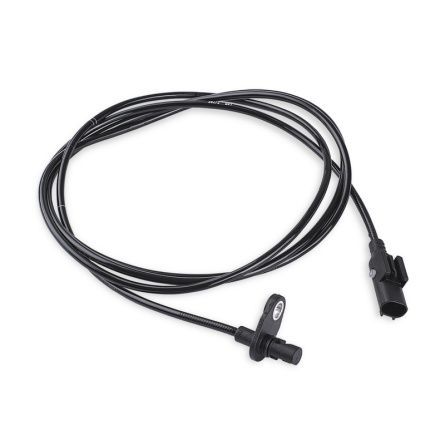
Rotational Speed Sensor
MercedesA9069050801$63.69 -
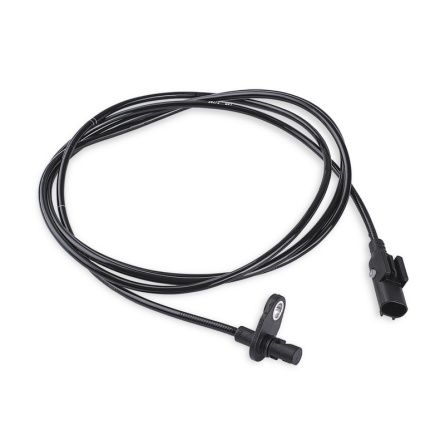
Rotational Speed Sensor
MercedesA9065404117$63.69 -
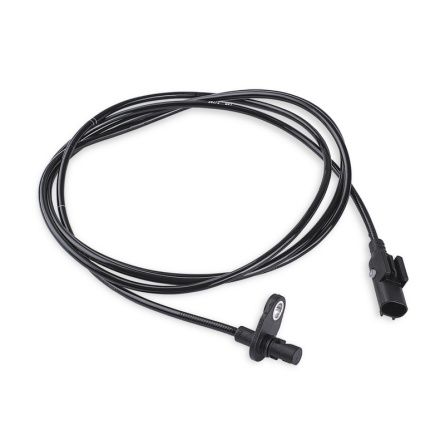
Rotational Speed Sensor
MercedesA9069050901$63.69 -
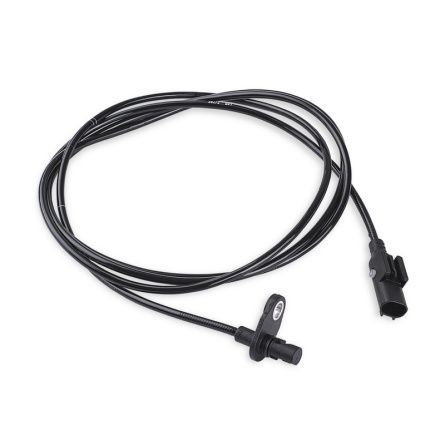
Rotational Speed Sensor
MercedesA9065404217$63.69 -
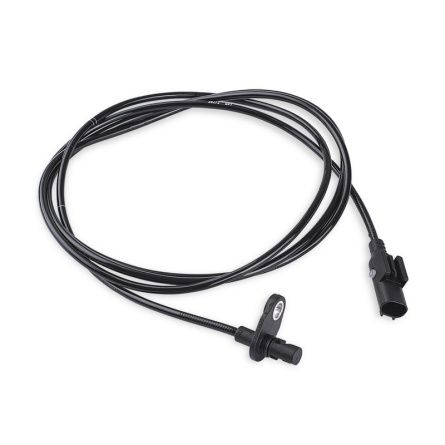
Rotational Speed Sensor
MercedesA9065400117$63.69 -
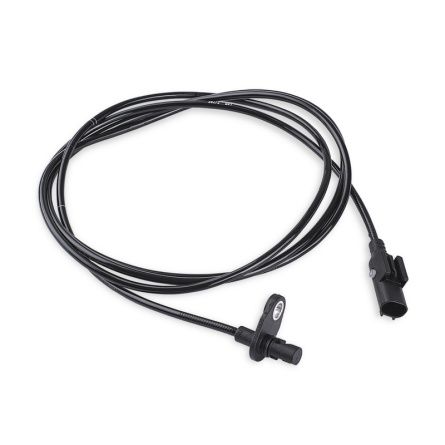
Rotational Speed Sensor
Volkswagen2E0927748B$63.69 -
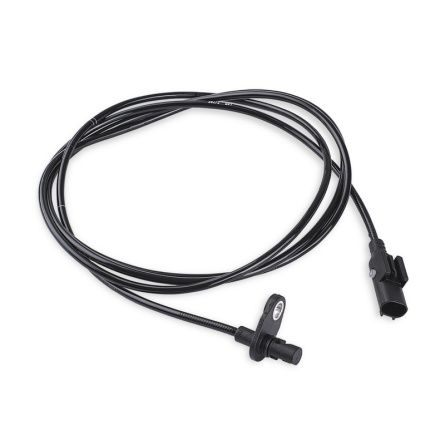
Rotational Speed Sensor
Volkswagen2E0927748P$63.69 -
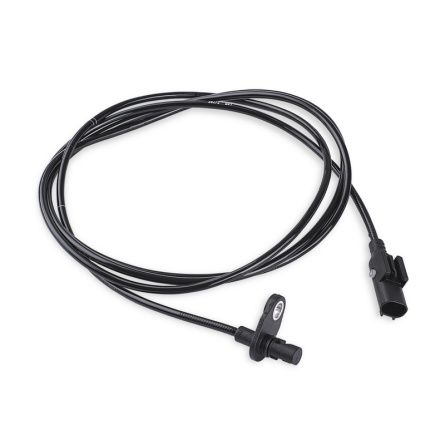
Rotational Speed Sensor
Volkswagen2E0927748F$63.69 -
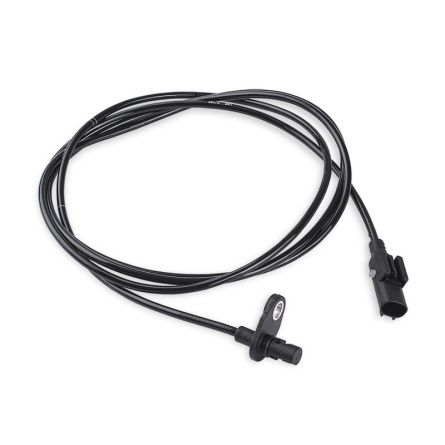
Rotational Speed Sensor
Volkswagen2E0927748AA$63.69 -
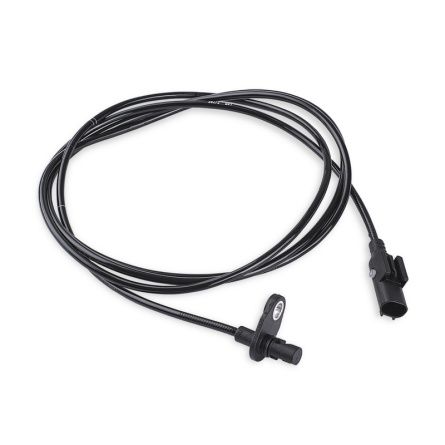
Rotational Speed Sensor
Volkswagen2E0927748S$63.69 -
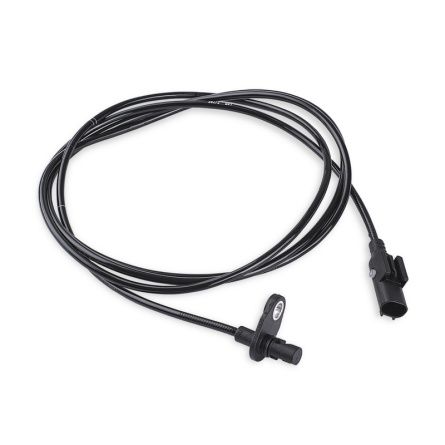
Rotational Speed Sensor
MercedesA9065400217$63.69 -
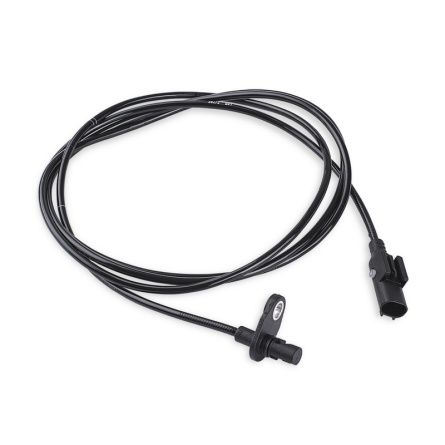
Rotational Speed Sensor
Volkswagen2E0927801A$63.69 -
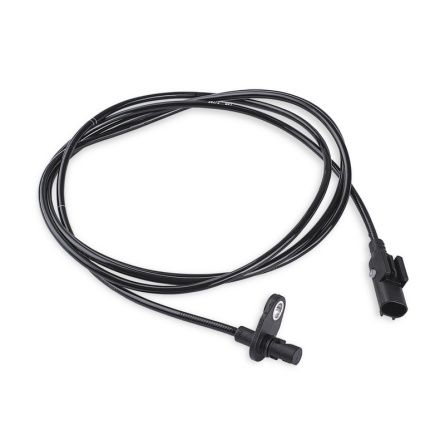
Rotational Speed Sensor
Volkswagen2E0927748N$63.69 -
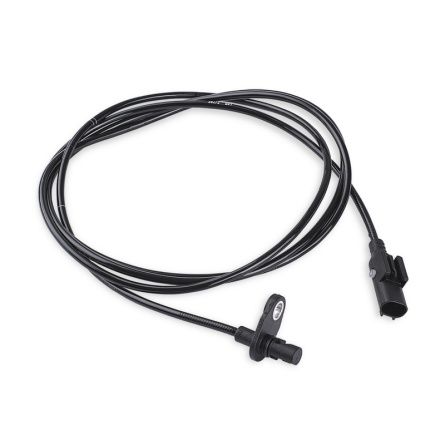
Rotational Speed Sensor
Volkswagen2E0927748T$63.69 -
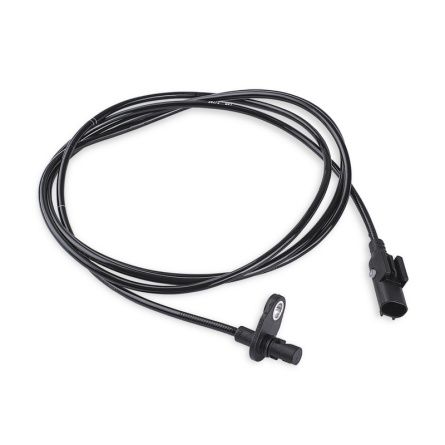
Rotational Speed Sensor
Volkswagen2E0927748G$63.69 -
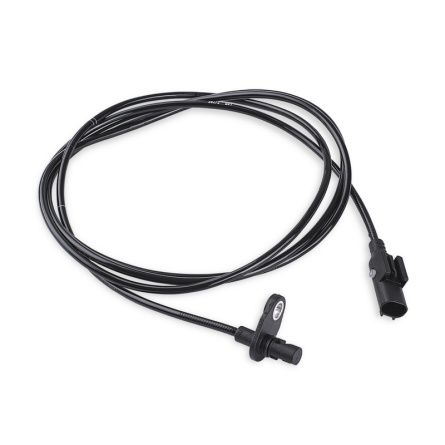
Rotational Speed Sensor
Volkswagen2E0927748C$63.69 -
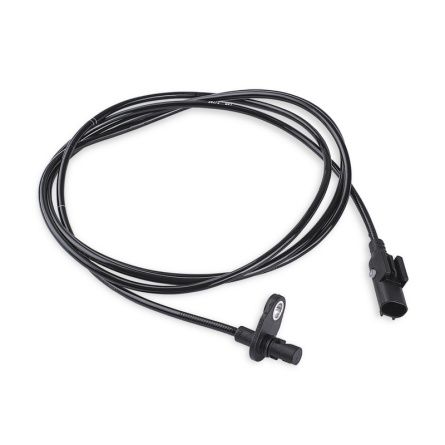
Rotational Speed Sensor
Volkswagen2E0927748AB$63.69 -
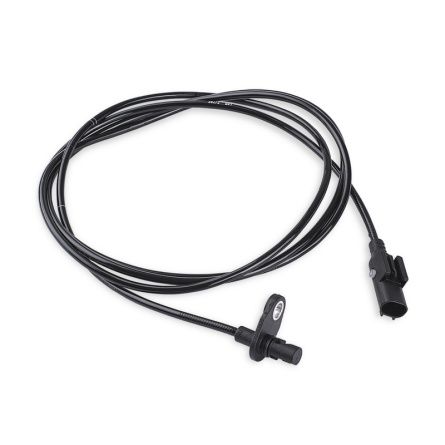
Rotational Speed Sensor
Volkswagen2E0927748M$63.69 -
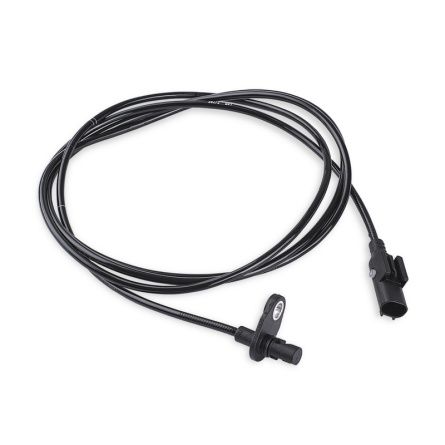
Rotational Speed Sensor
MercedesA9069053501$63.69 -
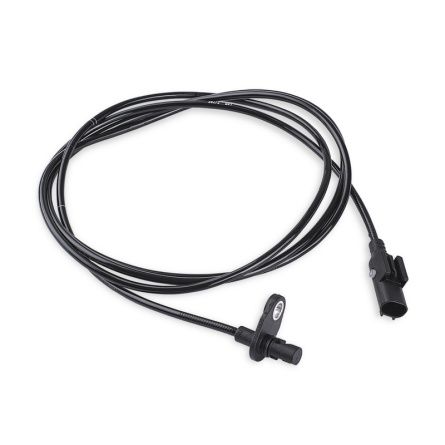
Rotational Speed Sensor
MercedesA9069053601$63.69 -
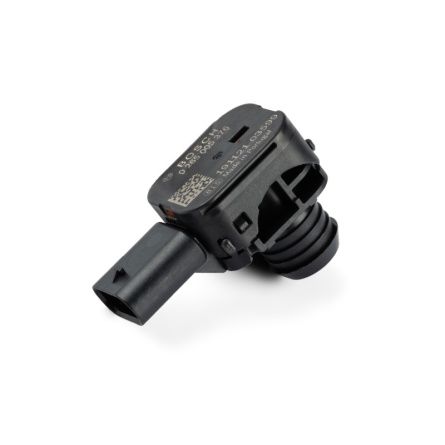
Vacuum sensor
MercedesA0009055204$31.84 -
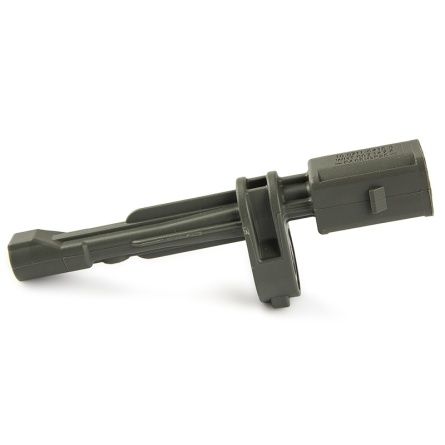
Rotational Speed Sensor
VolkswagenWHT007147A$22.74 -
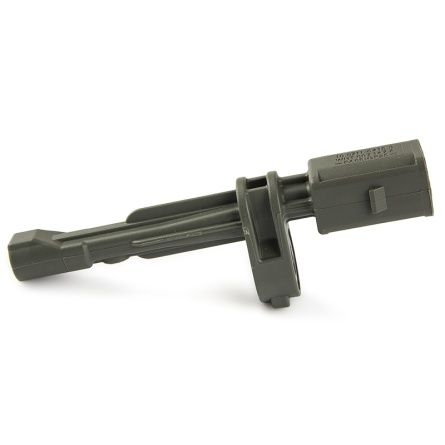
Rotational Speed Sensor
VolkswagenWHT007147B$22.74
Brake parts
Brake parts are far more than just mechanical components hidden behind the wheels – they are the foundation of every vehicle’s safety and performance. From brake pads and discs that generate the stopping power, to calipers, brake lines, and sensors that ensure precision and control, each element plays a critical role in protecting drivers and passengers on the road. A reliable braking system doesn’t just shorten stopping distances; it provides confidence in every maneuver, whether it’s an emergency stop in the city or controlled braking at high speeds on the highway. By understanding the importance of brake parts and how they work together, it becomes clear that maintaining them in top condition is essential for both safety and optimal driving performance.
Understanding ABS System Components
The Anti-lock Braking System (ABS) is one of the most important advancements in modern automotive safety, designed to give drivers greater control of their vehicles during sudden or heavy braking. The primary goal of ABS is to prevent the wheels from locking up, which can cause dangerous skidding and loss of steering control. To achieve this, the system relies on several key elements that work together in real time.
At the heart of the system are wheel speed sensors, which constantly monitor how fast each wheel is rotating. If they detect that one or more wheels are slowing too quickly and approaching lock-up, the information is sent to the electronic control unit (ECU). This central brain processes the signals within milliseconds and commands corrective action. The response is carried out by the hydraulic modulator, which adjusts the brake pressure applied to each wheel. Instead of applying a continuous force that could cause the wheel to stop spinning, the modulator rapidly increases and releases the pressure in short bursts. This pulsing action allows the wheel to maintain traction with the road while still slowing the vehicle down effectively.
Working in unison, these ABS system components – the sensors, ECU, and hydraulic modulator – ensure that the driver can steer the car even under hard braking. By preventing wheel lock-up, the system not only shortens stopping distances on many surfaces but also provides stability and control that can make the difference between a near miss and a collision. In this way, the ABS system demonstrates how electronic and mechanical elements combine to significantly improve both safety and driver confidence. It also shows how critical it is to maintain both the mechanical brake parts and the ABS system components so that they operate seamlessly together.
Types of Brake Pads and Their Features
Brake pads differ significantly in their construction, and each type offers unique benefits that influence braking performance, comfort, and durability. Semi-metallic pads are among the most widely used, created from a blend of metals such as steel and copper combined with friction materials. Their main strength lies in high heat resistance and reliable performance under demanding conditions, which makes them an excellent choice for drivers who brake frequently or own heavier vehicles. At the same time, they can be noisier and create more brake dust, which is often considered a trade-off for their stopping power.
Ceramic brake pads represent a more refined alternative. Manufactured with ceramic fibers and bonding agents, they are prized for smooth operation, minimal dust, and quiet performance. They maintain effective braking across a wide range of temperatures and are highly durable, making them particularly attractive to drivers who value low maintenance and comfort. Their higher cost, however, makes them less accessible than other options.
Organic pads, also known as non-asbestos organic (NAO), are made from softer materials like rubber, resins, and glass fibers. They provide gentle braking that is quiet and easy on the brake discs, which is why they are commonly chosen for everyday city driving. Their limitations become apparent in high-stress situations, where excessive heat can reduce efficiency and shorten their lifespan. Low-metallic NAO pads address this issue by adding small amounts of copper or steel to the formula, resulting in stronger performance and better heat management, though at the cost of increased noise and dust.
In the world of high-performance driving, specialized racing pads stand out. Built with advanced compounds that can withstand extreme temperatures, they deliver unmatched braking power once heated. However, this very feature makes them unsuitable for daily use, as they often perform poorly when cold and wear out faster under normal driving conditions.
The impact of these differences is felt directly behind the wheel. Semi-metallic pads provide strong, reliable braking for those who need power, while ceramic pads balance performance with comfort and cleanliness. Organic and low-metallic options offer flexibility for everyday drivers depending on their balance of comfort and performance needs, while racing pads cater to enthusiasts chasing peak stopping ability. Choosing the right brake pad type is not only a matter of performance but also of safety, as it determines how effectively a vehicle can stop under different conditions.
Brake Rotors: Choosing the Right Type
Brake discs, also known as rotors, also come in various designs to meet different needs. Smooth rotors are the standard option in most cars, offering quiet, consistent braking that suits everyday driving. They are cost-effective and durable but can retain heat during prolonged braking, which increases the risk of fade.
Drilled rotors are perforated with holes that improve heat dissipation and allow water, dust, and gases to escape, making them particularly effective in wet conditions. They also provide a sporty appearance, though under extreme performance use the holes can create stress points that may crack.
Slotted rotors feature grooves that clean the brake pad surface and improve bite during heavy use. They are excellent for towing, off-road, or spirited driving but tend to wear pads more quickly due to their abrasive design. Choosing between these types depends on the driver’s environment: smooth for everyday use, drilled for wet and moderate performance needs, and slotted for heavy-duty or high-performance applications.
Signs of Wear and When to Replace Brake Parts
Every brake component wears with time, and recognizing the first symptoms helps avoid costly or dangerous outcomes. A high-pitched squeal or grinding noise often signals worn pads. Vibrations in the pedal or steering wheel suggest warped or overheated discs. A spongy pedal feel or longer stopping distance often means issues in the hydraulic system, from worn hoses to old brake fluid. Uneven pad wear, visible corrosion, or reduced performance in wet conditions can also reveal deeper issues with calipers or discs.
Replacing worn parts promptly is vital. Thin pads damage discs, warped rotors reduce stability, and old fluid undermines hydraulic pressure. To stay ahead, drivers should regularly check pad thickness, inspect discs for cracks or grooves, and monitor brake fluid for both level and color.
Any sudden change in pedal feel or braking response should trigger an immediate inspection. Replacing brake fluid every two years is also a standard recommendation to ensure safe hydraulic performance.