
AC pressure sensors
-
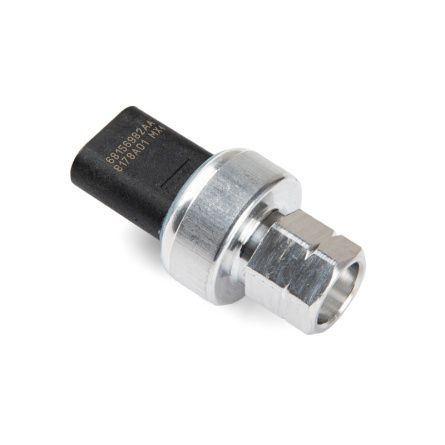
Air conditioning pressure sensor
VolkswagenRAM 1500 2500 3500$27.29 -
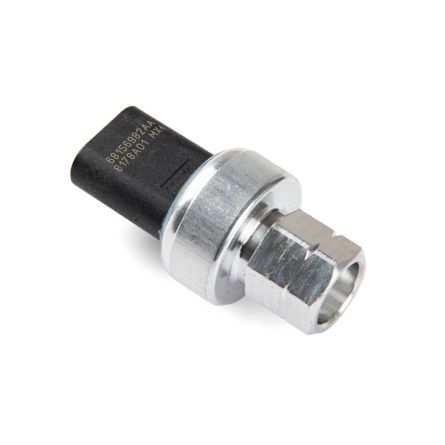
Air conditioning pressure sensor
VolkswagenC/V$27.29 -
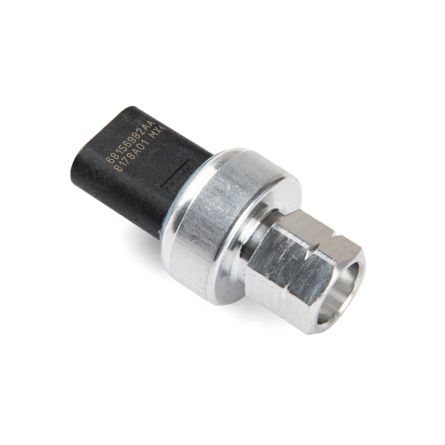
Air conditioning pressure sensor
VolkswagenProMaster 1500 2500 3500$27.29 -
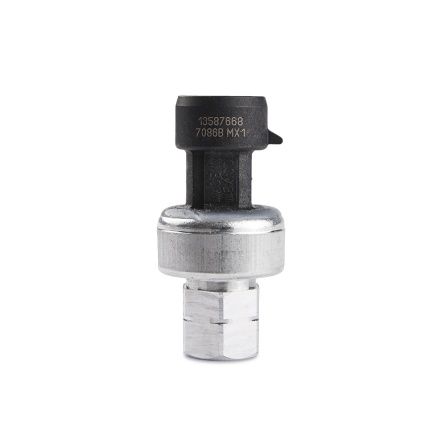
AC Pressure Sensor
General Motors22678731$36.39 -
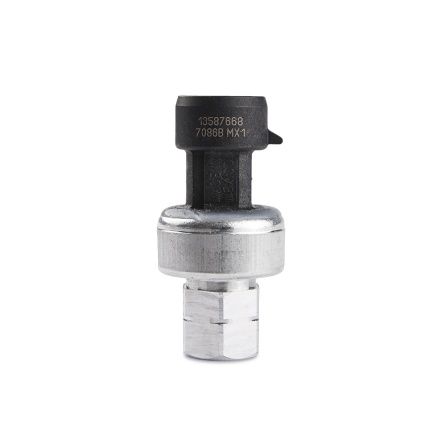
AC Pressure Sensor
General Motors13502759$36.39 -
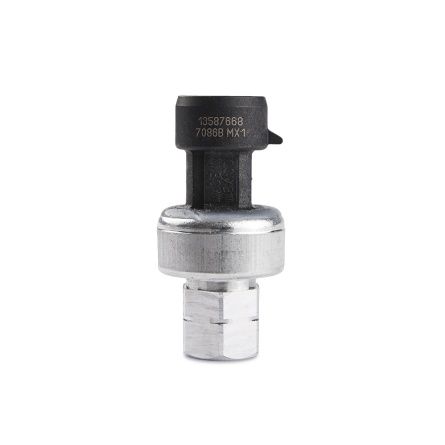
AC Pressure Sensor
General Motors13587668$36.39 -
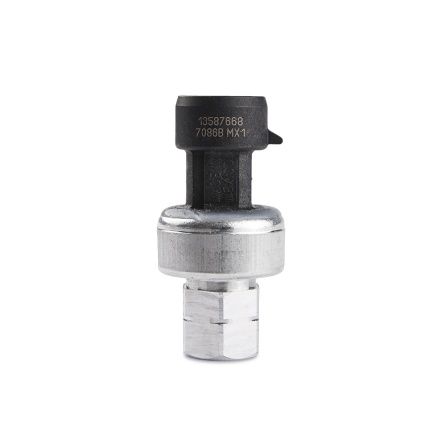
AC Pressure Sensor
General Motors22664328$36.39 -
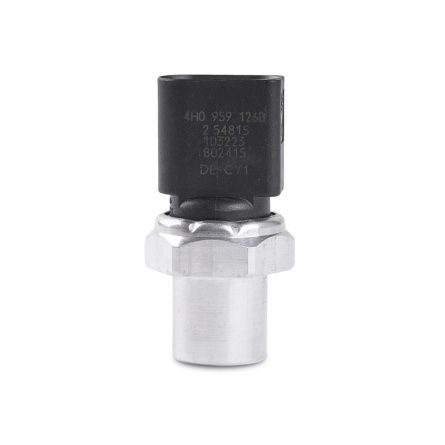
AC Pressure Sensor
Volkswagen4H0959126$36.39 -
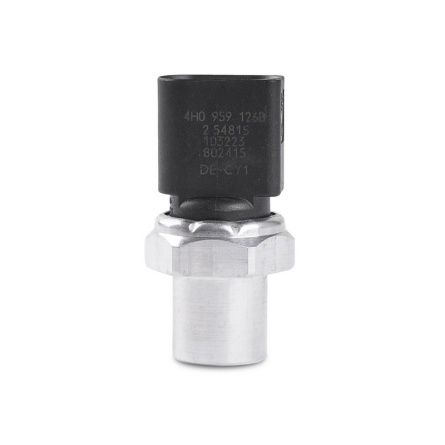
AC Pressure Sensor
Volkswagen4H0959126A$36.39 -
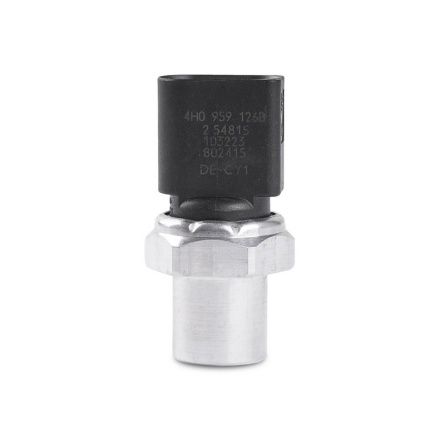
AC Pressure Sensor
Volkswagen4H0959126B$36.39 -
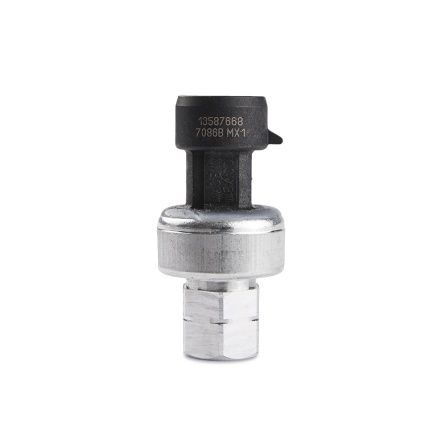
AC Pressure Sensor
General Motors51768498$36.39 -
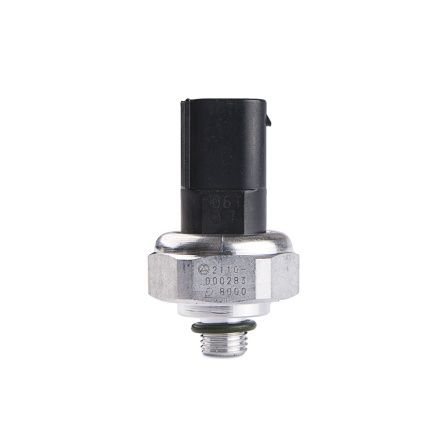
AC Pressure Sensor
Volkswagen2E0907271D$31.84 -
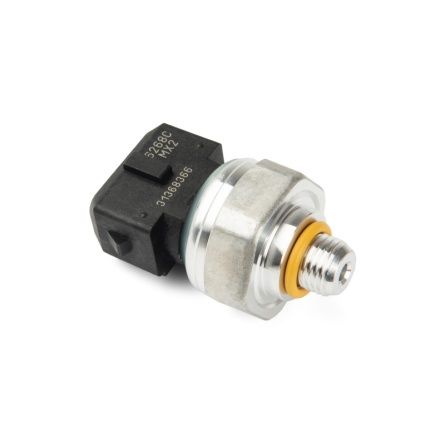
AC Pressure Sensor
Volvo31368366$36.39 -
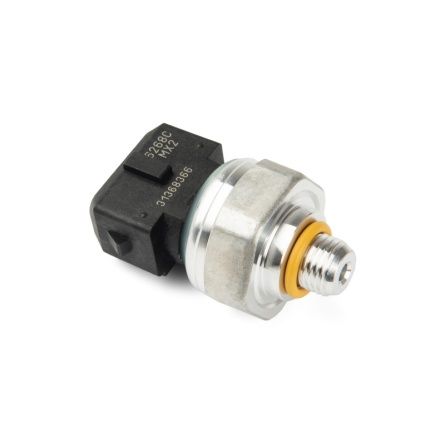
AC Pressure Sensor
Volvo30611211$36.39 -
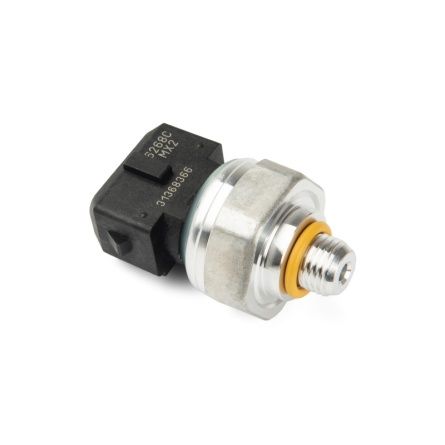
AC Pressure Sensor
Volvo30899051$36.39 -
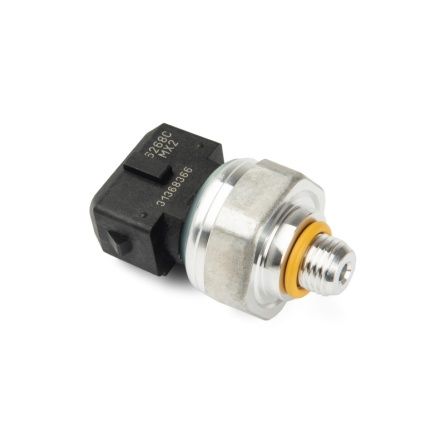
AC Pressure Sensor
Volvo32138713$36.39 -
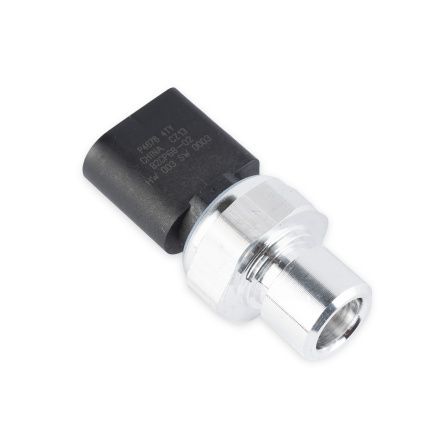
AC Pressure Sensor
Volkswagen5Q0959126A$31.84 -
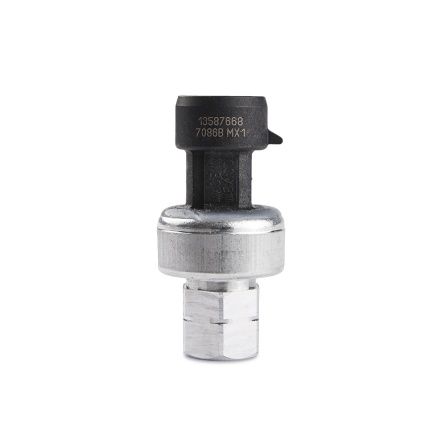
AC Pressure Sensor
Renault7700417506$36.39 -
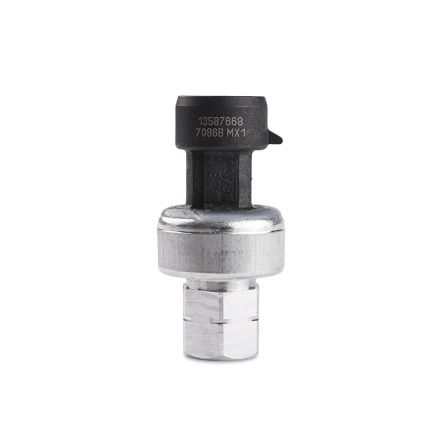
AC Pressure Sensor
Renault7701205751$36.39 -
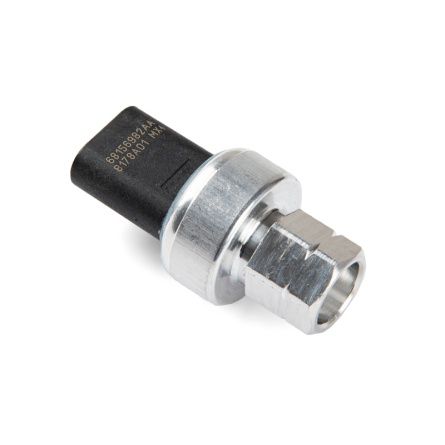
AC Pressure Sensor
General Motors68156982AA$27.29 -
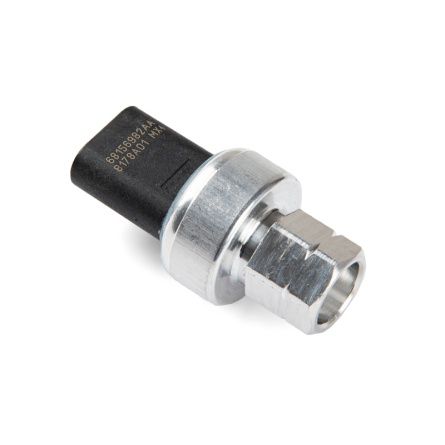
AC Pressure Sensor
General Motors68141376AB$27.29 -
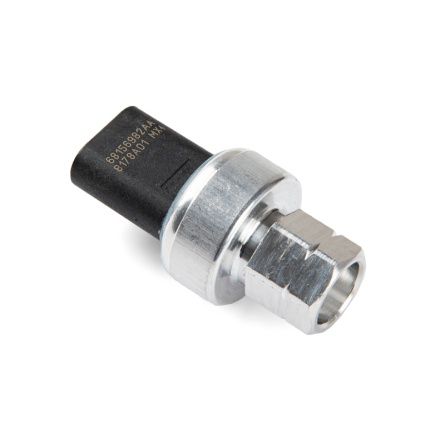
AC Pressure Sensor
General Motors68141376AA$27.29 -
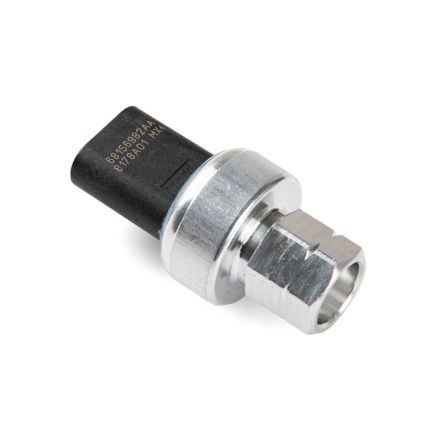
AC Pressure Sensor
General Motors68308727AA$27.29 -
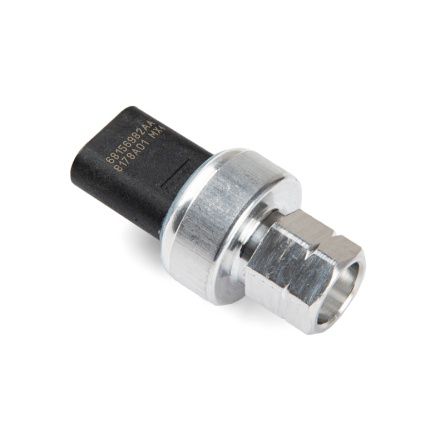
AC Pressure Sensor
General Motors68083824AA$27.29 -
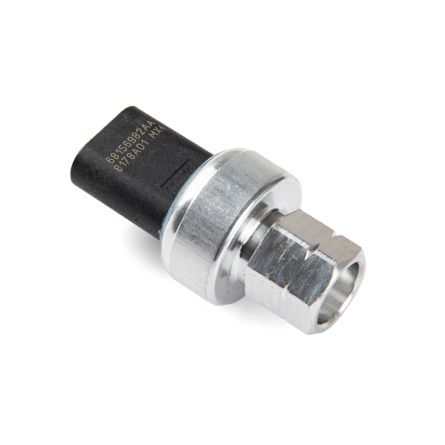
AC Pressure Sensor
General Motors68353124AA$27.29 -
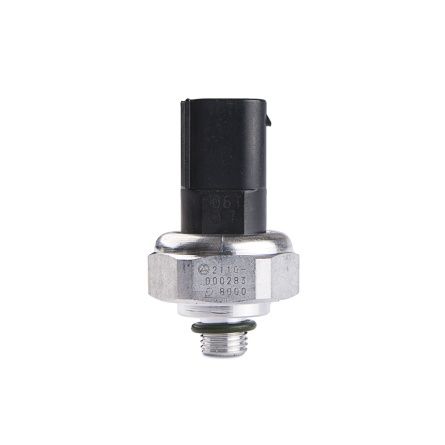
AC Pressure Sensor
MercedesA2110000283$31.84 -
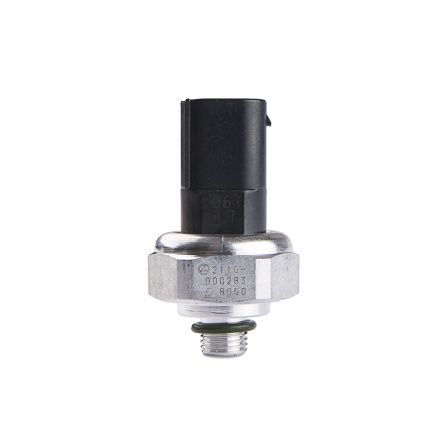
AC Pressure Sensor
MercedesA0045429018$31.84 -
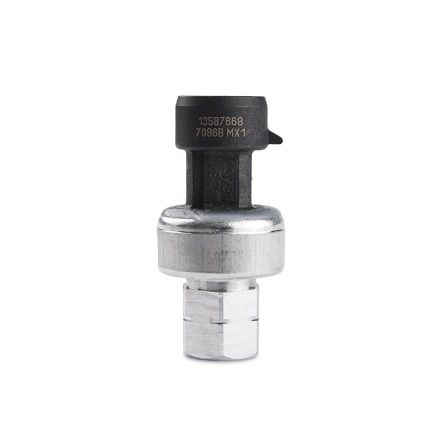
AC Pressure Sensor
General Motors9131721$36.39 -
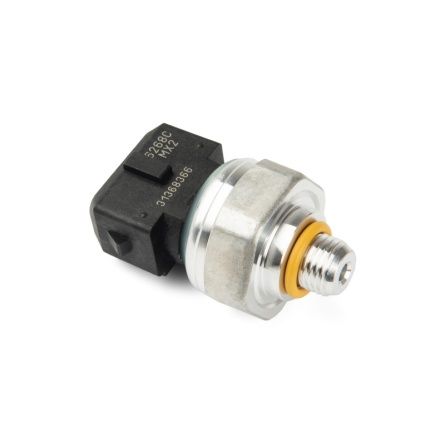
AC Pressure Sensor
Volvo9171343$36.39 -
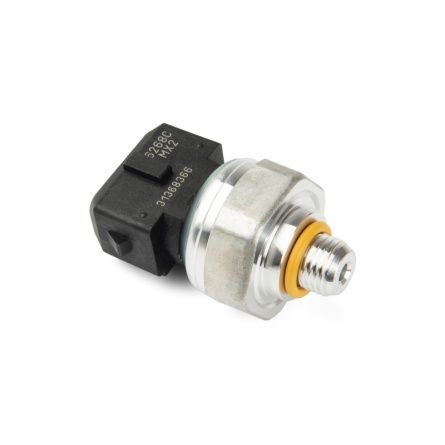
AC Pressure Sensor
Volvo8623270$36.39 -
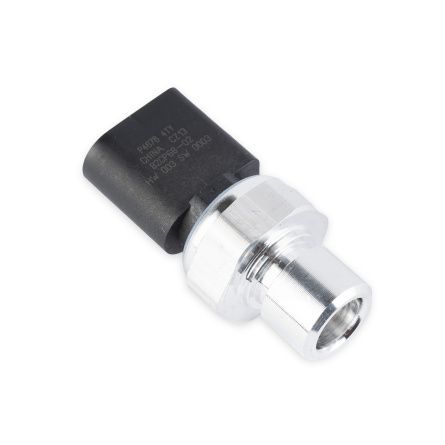
AC Pressure Sensor
Volkswagen5Q0959126B$31.84 -
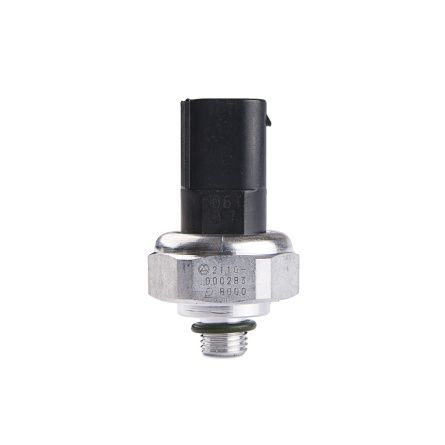
AC Pressure Sensor
MercedesA2205420118$31.84
AC pressure sensors
In today’s HVAC systems, efficiency and reliability are more critical than ever—and at the heart of this performance lies a small but essential component: the ac pressure sensor. Often overlooked, this sensor plays a vital role in monitoring refrigerant pressure levels, ensuring the system operates within safe and optimal parameters. By detecting pressure fluctuations in real time, the ac pressure sensor helps prevent compressor damage, improve energy efficiency, and extend the overall lifespan of the system. Without accurate pressure monitoring, even the most advanced HVAC setup can suffer from performance issues, costly breakdowns, and wasted energy. That’s why understanding and maintaining these sensors is key to keeping your HVAC or automotive air conditioning system running at its best, especially under demanding conditions where stable operation is essential for comfort and safety.
Understanding AC Pressure Sensors
The ac pressure sensor, also known as an hvac pressure sensor or transducer, is an essential component in both residential and automotive climate control systems. Its primary function is to monitor the refrigerant pressure within the air conditioning circuit, both on the high-pressure and low-pressure sides. By continuously measuring these pressure levels, the sensor provides real-time data to the control module, allowing the system to adjust its operation for optimal performance.
When readings fall outside the recommended range—too high or too low—the sensor can trigger specific responses, such as shutting down the compressor to prevent damage or adjusting refrigerant flow to maintain stability. This real-time monitoring is crucial, as incorrect pressure levels can reduce cooling efficiency, increase power consumption, and lead to expensive repairs or total system failure.
In essence, every ac pressure sensor plays a vital role in protecting the system, preserving energy efficiency, and ensuring reliable climate control. Without it, the system cannot detect pressure-related faults early, placing both comfort and equipment durability at serious risk.
Types of HVAC Pressure Sensors
In HVAC and automotive cooling systems, several types of sensors are used to measure and control refrigerant flow. Each hvac pressure sensor is designed for a specific purpose depending on system layout and performance requirements. The main categories include high-pressure sensors, low-pressure sensors, and dual-pressure sensors, each available in mechanical or electronic versions.
High-pressure sensors are mounted on the discharge side of the compressor and protect the system from dangerously high pressures caused by overcharging, poor ventilation, or restricted condenser flow. When pressure rises beyond the safe limit, the sensor signals the controller to stop the compressor or activate the cooling fans.
Low-pressure sensors are located on the suction side to detect pressure drops indicating leaks, compressor faults, or expansion valve blockages. When pressure is too low, the system stops to prevent compressor damage.
Dual-pressure sensors monitor both high and low sides in one compact unit, offering comprehensive protection and simplifying system design. Mechanical versions use springs or diaphragms to switch at fixed thresholds, while electronic versions convert pressure readings into voltage signals for precise, real-time monitoring.
Whether mechanical or electronic, every hvac pressure sensor contributes to efficiency, stability, and safety in modern air conditioning systems.
Choosing the Right Refrigerant Pressure Sensor
When selecting the correct refrigerant pressure sensor for your vehicle or HVAC system, start with compatibility. Each system has specific connector shapes, thread types, and pressure calibration ranges, so the new sensor must match the original equipment (OE) specifications. Using the wrong refrigerant pressure sensor can cause incorrect readings, poor cooling, and compressor strain.
Performance and reliability also matter. Always choose a high-quality sensor capable of withstanding high temperatures, vibration, and continuous exposure to refrigerant and oil. Look for durable construction, strong sealing, and corrosion resistance to ensure long service life.
Finally, confirm that the refrigerant pressure sensor is calibrated for the correct refrigerant type—R134a, R1234yf, or others. An incorrectly calibrated sensor may deliver inaccurate data and cause system instability. OE-grade or premium aftermarket parts generally offer the best balance of accuracy and durability.
Maintenance and Troubleshooting Tips
Routine care ensures long-term performance of every ac pressure sensor. Inspect the sensor and fittings regularly for corrosion, leaks, or oil residue, as these indicate sealing problems or system overpressure. Ensure that the electrical connector remains secure and clean, since even minor oxidation can disrupt readings.
When cleaning, avoid strong solvents that could damage the housing or internal components. Use a soft cloth and mild electrical cleaner. If servicing or recharging the system, protect the hvac pressure sensor from dirt or moisture to prevent contamination.
Common problems include compressor cycling irregularly, poor cooling, or the air conditioning system shutting off unexpectedly. These issues often arise from damaged wiring, corroded connectors, or internal failure of the refrigerant pressure sensor. Diagnostic scanners can confirm fault codes and verify sensor output. If readings remain inconsistent, replacement is typically the best solution.
By following these maintenance and troubleshooting practices, you can extend the life of your ac pressure sensor, maintain accurate pressure monitoring, and ensure that your air conditioning system operates efficiently and safely in all conditions.