
Air conditioning
-
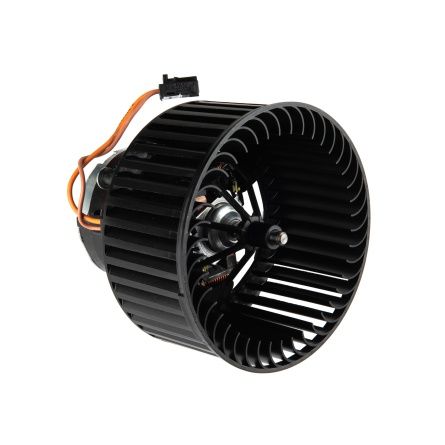
Blower Unit Motor
BMW64119291177$100.09 -
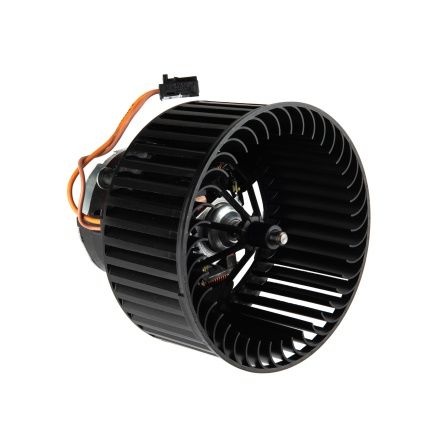
Blower Unit Motor
BMW64119305761$100.09 -
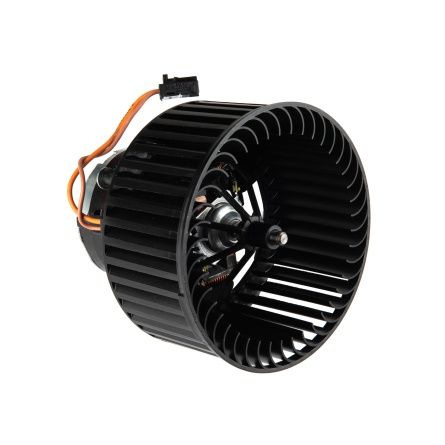
Blower Unit Motor
BMW64119303692$100.09 -
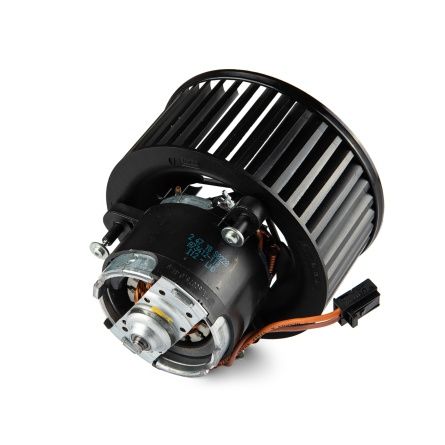
Blower Unit Motor
BMW64119291178$100.09 -
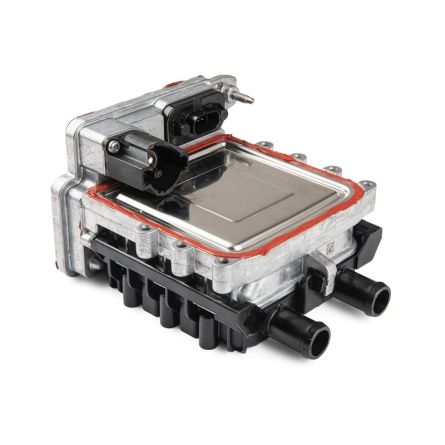
Heater
MercedesA0008357300$636.99 -
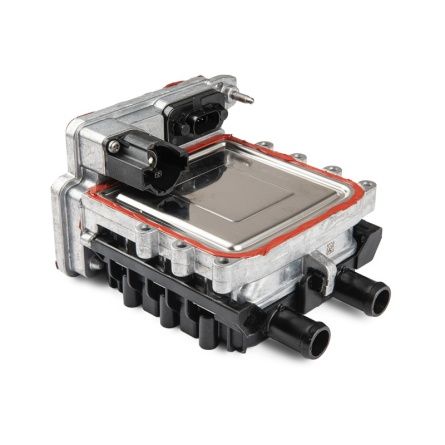
Heater
MercedesA0008355200$636.99 -
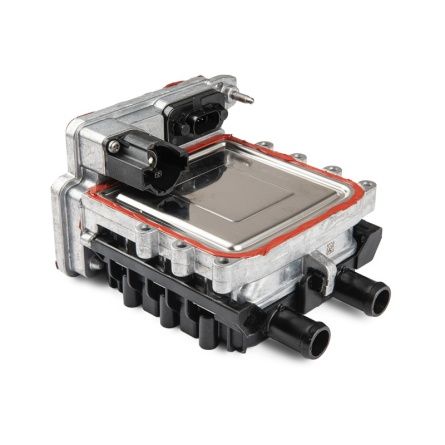
Heater
MercedesA1678354200$636.99 -
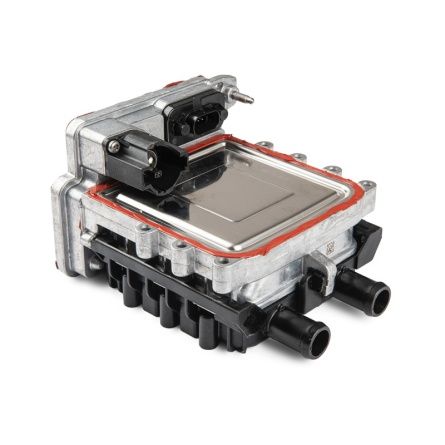
Heater
MercedesA0008354500$636.99 -
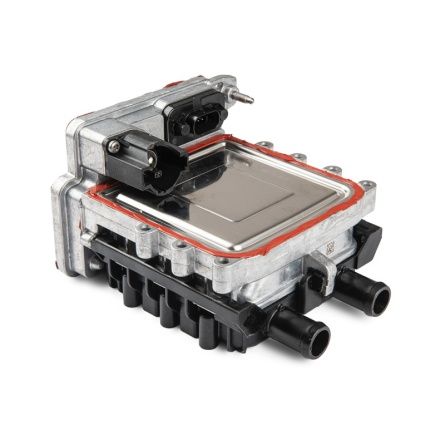
Heater
MercedesA008358403$636.99 -
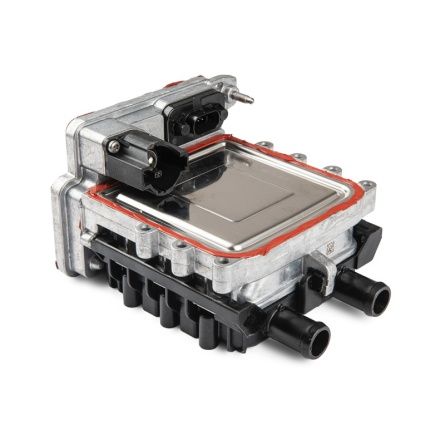
Heater
MercedesA0008359000$636.99 -
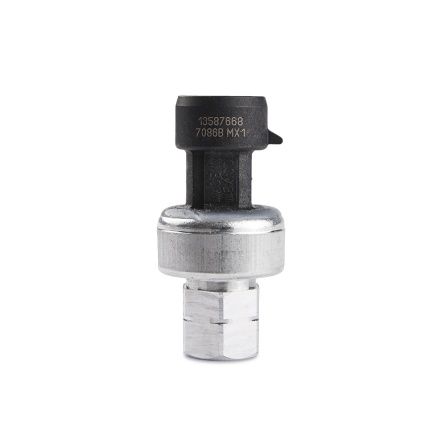
AC Pressure Sensor
General Motors22678731$36.39 -
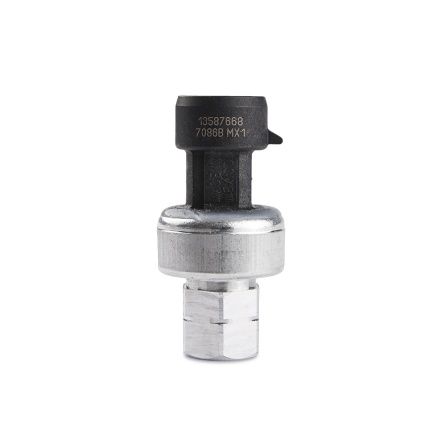
AC Pressure Sensor
General Motors13502759$36.39 -
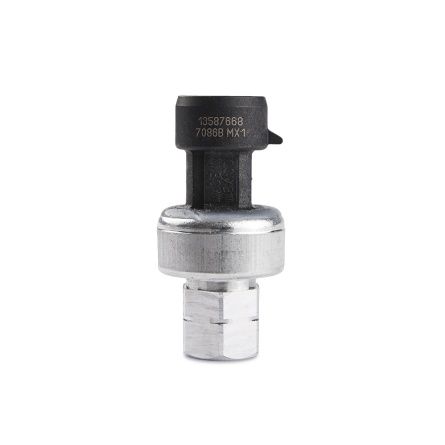
AC Pressure Sensor
General Motors13587668$36.39 -
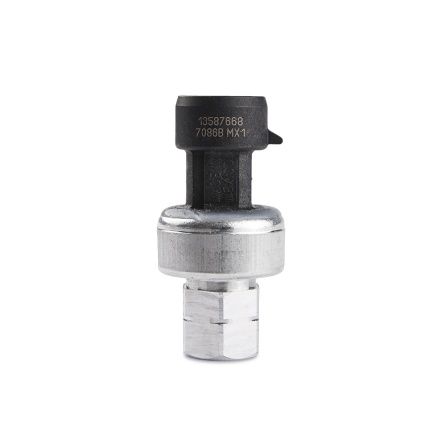
AC Pressure Sensor
General Motors22664328$36.39 -
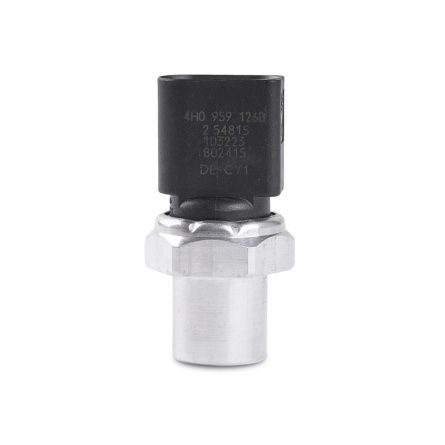
AC Pressure Sensor
Volkswagen4H0959126$36.39 -
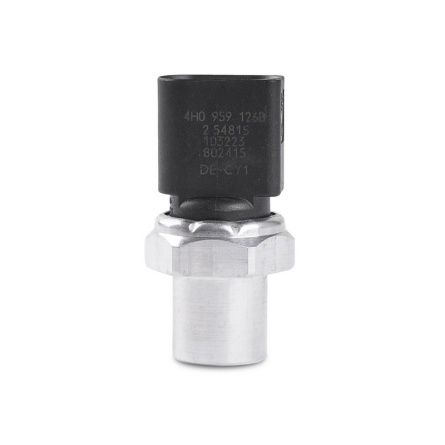
AC Pressure Sensor
Volkswagen4H0959126A$36.39 -
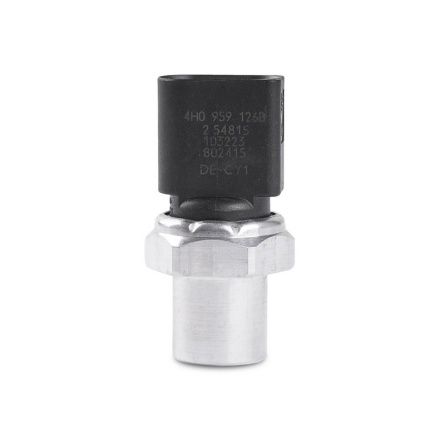
AC Pressure Sensor
Volkswagen4H0959126B$36.39 -
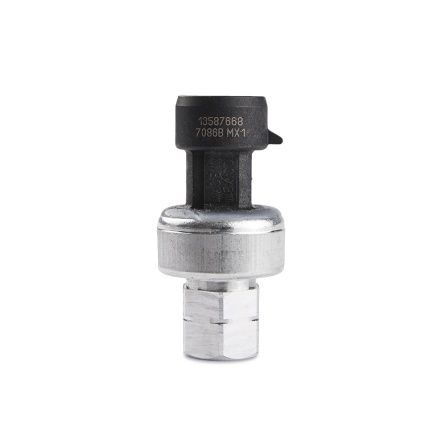
AC Pressure Sensor
General Motors51768498$36.39 -
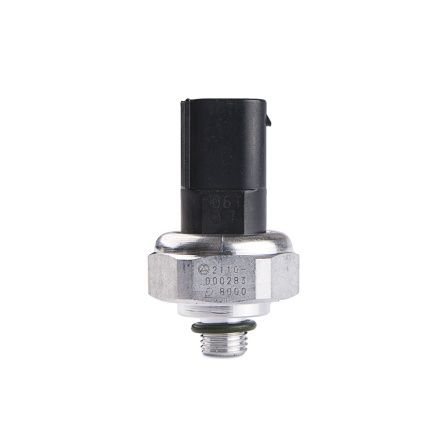
AC Pressure Sensor
Volkswagen2E0907271D$31.84 -
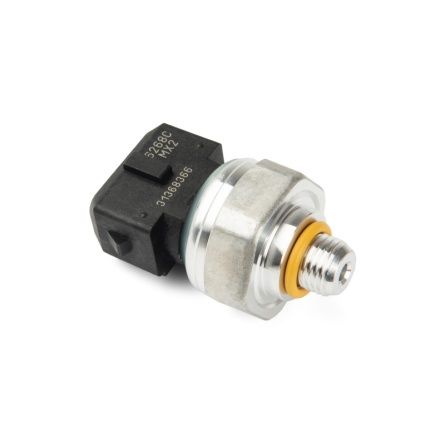
AC Pressure Sensor
Volvo31368366$36.39 -
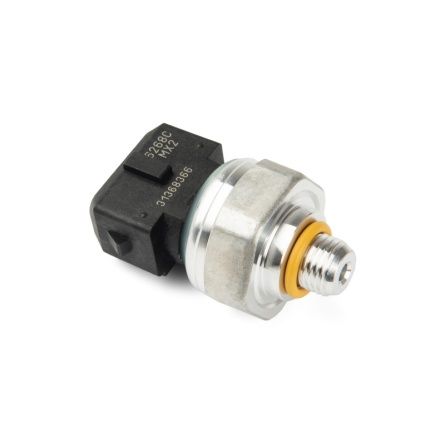
AC Pressure Sensor
Volvo30611211$36.39 -
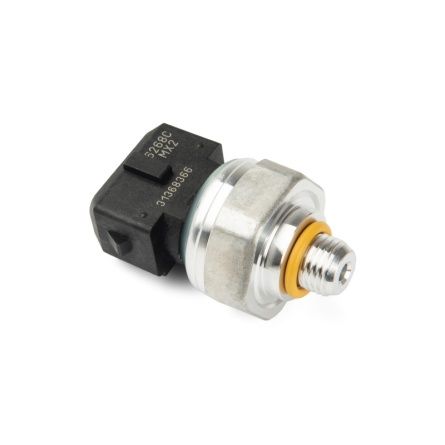
AC Pressure Sensor
Volvo30899051$36.39 -
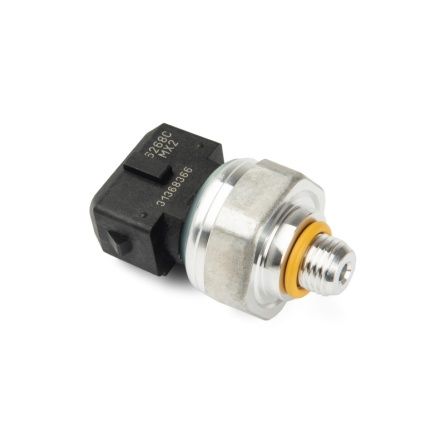
AC Pressure Sensor
Volvo32138713$36.39 -
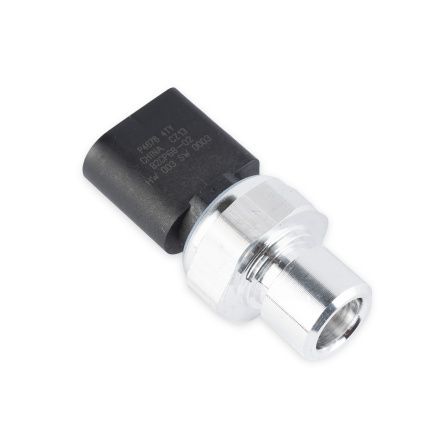
AC Pressure Sensor
Volkswagen5Q0959126A$31.84 -
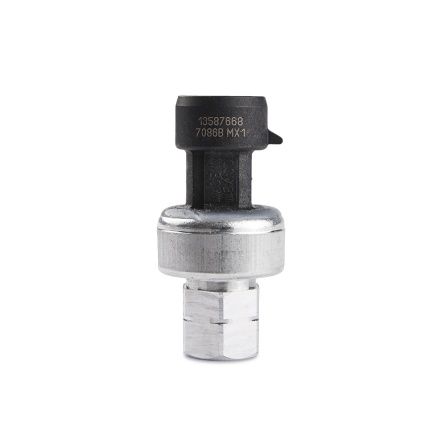
AC Pressure Sensor
Renault7700417506$36.39 -
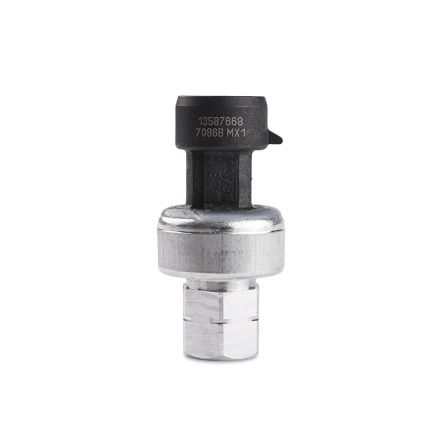
AC Pressure Sensor
Renault7701205751$36.39 -
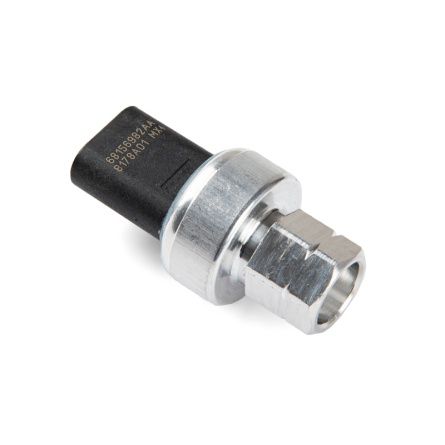
AC Pressure Sensor
General Motors68156982AA$27.29 -
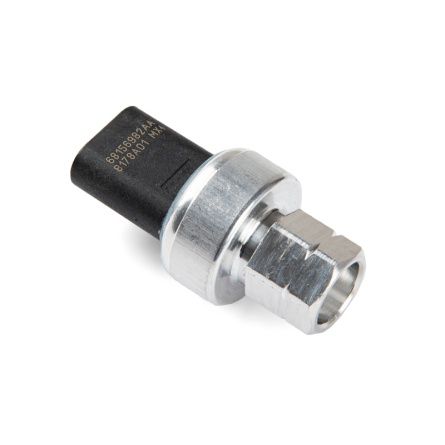
AC Pressure Sensor
General Motors68141376AB$27.29 -
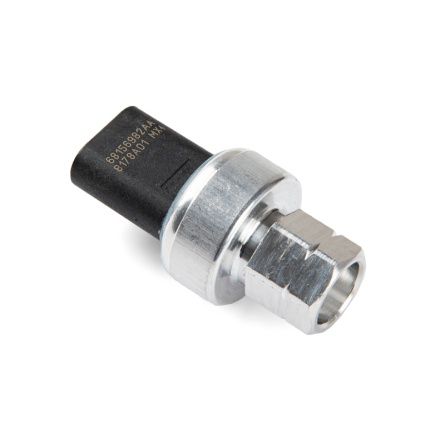
AC Pressure Sensor
General Motors68141376AA$27.29 -
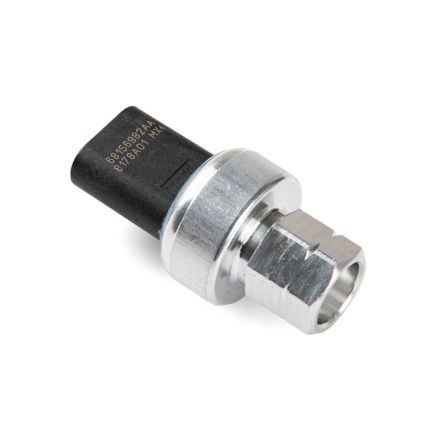
AC Pressure Sensor
General Motors68308727AA$27.29 -
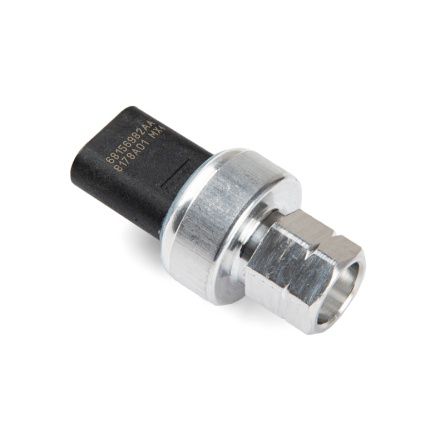
AC Pressure Sensor
General Motors68083824AA$27.29 -
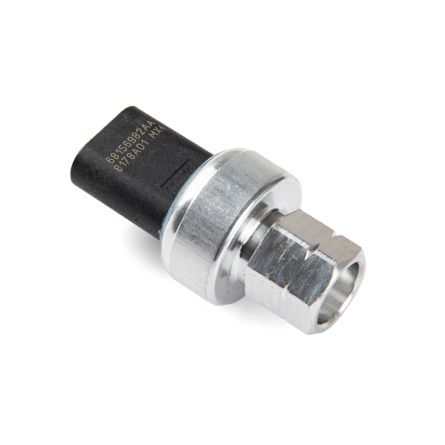
AC Pressure Sensor
General Motors68353124AA$27.29 -
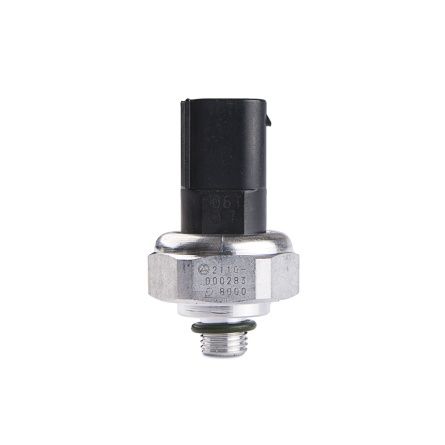
AC Pressure Sensor
MercedesA2110000283$31.84 -
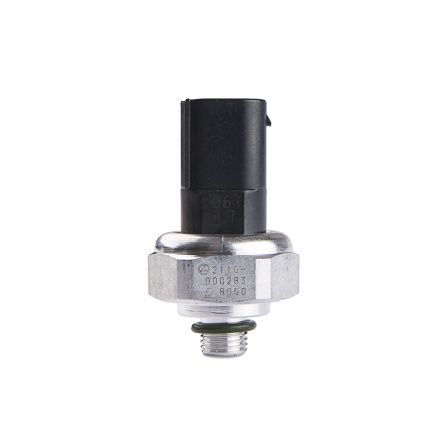
AC Pressure Sensor
MercedesA0045429018$31.84 -
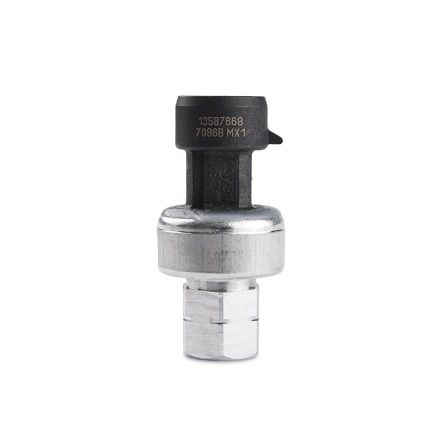
AC Pressure Sensor
General Motors9131721$36.39 -
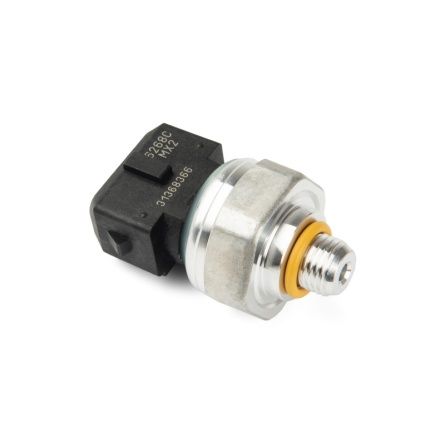
AC Pressure Sensor
Volvo9171343$36.39
Air conditioning
A well-functioning air conditioning system in a vehicle is far more than a luxury – it is a crucial element of both comfort and safety on the road. By maintaining a pleasant cabin temperature, reducing humidity, and ensuring clear visibility through fog-free windows, the air conditioning system directly influences the driver’s ability to remain focused and in control. Whether facing scorching summer heat or damp, rainy conditions, a reliable AC system creates an environment where both driver and passengers can travel in comfort, while also enhancing safety by preventing distractions and maintaining clear sightlines. In modern vehicles, air conditioning is no longer just about convenience – it has become an essential feature that supports well-being, concentration, and overall driving confidence.
Understanding Car Air Conditioning Parts
An automotive AC system is made up of several key components that work together to regulate temperature, humidity, and airflow inside the vehicle. At the heart of the system lies the compressor, often referred to as the “pump” of the AC, which pressurizes the refrigerant and circulates it through the entire system. The condenser then cools down the high-pressure refrigerant, turning it into a liquid as heat is released to the outside air. From there, the receiver-drier or accumulator removes moisture and filters out impurities to protect the system from damage. The expansion valve or orifice tube controls the flow of refrigerant into the evaporator, where the liquid rapidly expands, absorbs heat from the cabin air, and cools it before it is blown inside by the blower fan. Each of these car air conditioning parts has a specific role, but only together do they create a closed-loop system that ensures consistent cooling, effective dehumidification, and reliable comfort for all passengers. By understanding how these parts interact, it becomes clear why regular maintenance is essential to keep the AC system efficient and dependable.
Key Vehicle AC System Components
The vehicle AC system components each serve a vital purpose, ensuring proper cooling and comfort under varying conditions. The compressor is the central element, often described as the heart of the system. It compresses the refrigerant gas, raising its temperature and pressure before pushing it through the system. Without the compressor, the refrigerant would not circulate, and the cooling process could not take place.
Next comes the condenser, usually located at the front of the vehicle near the radiator. Its job is to release the heat absorbed by the refrigerant. As the hot, pressurized gas passes through the condenser coils, it cools down and changes into a high-pressure liquid, ready for the next stage of the cycle.
The evaporator, placed inside the cabin, works in the opposite way. Here the refrigerant expands and evaporates, absorbing heat from the interior air. A blower fan pushes cabin air over the cold evaporator fins, which lowers the air temperature and reduces humidity before delivering it back into the vehicle. Together, these vehicle AC system components form the backbone of an air conditioning system. Their combined operation ensures efficient cooling, improved comfort, and safer driving conditions by keeping the cabin climate stable.
Common Issues and Maintenance Tips
Automotive air conditioning systems, while designed to be reliable, are not immune to wear and tear. Over time, several common problems can affect performance. One frequent issue is refrigerant leaks, often caused by worn seals, damaged hoses, or corroded components. When refrigerant levels drop, the system loses its cooling efficiency, and in severe cases, it may stop producing cold air altogether. Another common problem is a failing compressor, which can occur if the system has been running with low refrigerant or if internal parts wear out. Since the compressor is the most critical and costly component, its proper care is essential.
The condenser and evaporator can also suffer from blockages due to dirt, debris, or moisture, leading to reduced airflow, unpleasant odors, or weak cooling capacity. Electrical issues, such as faulty pressure sensors or damaged wiring, may also disrupt operation.
To ensure long-lasting and efficient performance, regular maintenance practices are crucial. Drivers should schedule periodic AC system inspections to check refrigerant levels, clean or replace cabin air filters, and verify that all components are free of leaks and blockages. Running the AC for at least a few minutes every couple of weeks, even in colder months, helps keep seals lubricated and prevents moisture buildup. Cleaning the condenser from dirt and debris during routine car washes can also extend its service life. Finally, addressing small issues quickly prevents minor problems from turning into costly breakdowns.
Choosing Quality Replacement Parts
When it comes to replacing car air conditioning parts, selecting the right components is critical to maintaining efficiency, safety, and long-term reliability. The first consideration is compatibility. Every AC component – from the compressor to the condenser and evaporator – is engineered to work with a specific refrigerant type, pressure range, and vehicle design. Using a part that does not match the manufacturer’s specifications can reduce performance, cause premature wear, or even damage the entire system.
Equally important is the quality and reliability of the replacement parts. Choosing original equipment (OE) components or high-quality aftermarket alternatives from trusted brands ensures that they meet rigorous performance and durability standards. Cheap substitutes may look the same but often compromise efficiency, reduce cooling capacity, and increase the risk of failures.
When sourcing replacements, drivers and repair shops should prioritize suppliers who provide OE reference numbers and detailed product data to guarantee a proper fit. Components backed by a warranty are always recommended, as this reflects the manufacturer’s confidence in their quality. Additionally, during installation, using approved refrigerants and compatible lubricants helps protect the compressor and other moving parts.
Ultimately, investing in reliable and compatible parts is not just about keeping the cabin cool – it protects the system as a whole, extends its lifespan, and ensures drivers and passengers can enjoy safe, comfortable journeys in all weather conditions.