
Safety systems
-
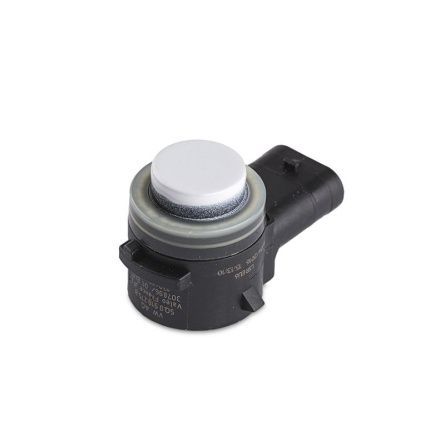
Parking Sensor
FCA6YD83TRMAA$31.84 -
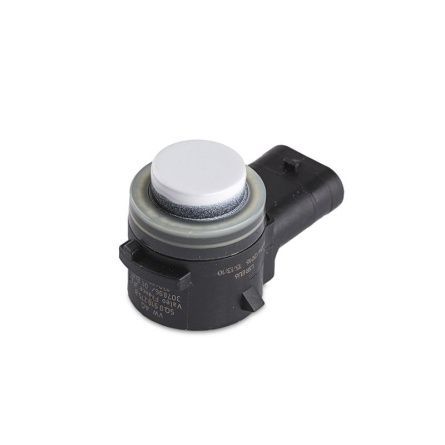
Parking Sensor
FCA6YD83TRMAB$31.84 -
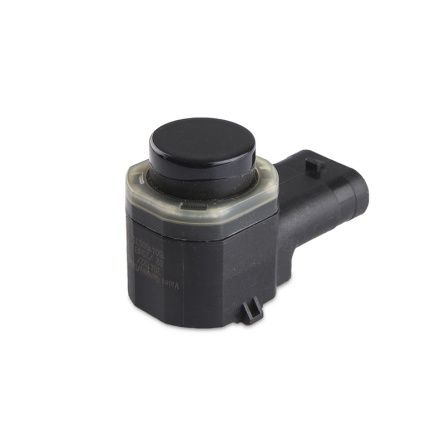
Parking Sensor
BMW66209206058$27.29 -
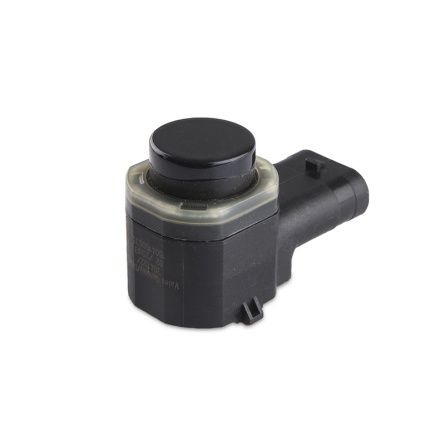
Parking Sensor
BMW66209206527$27.29 -
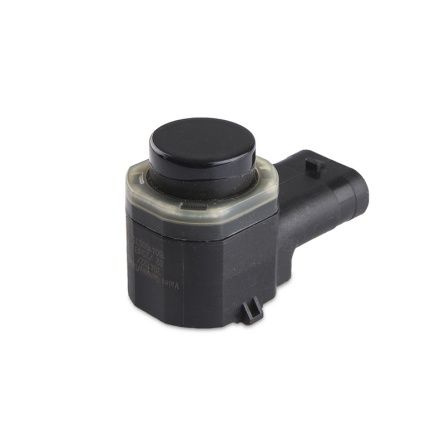
Parking Sensor
BMW66209231277$27.29 -

Parking Sensor
JLRLR038084$27.29 -
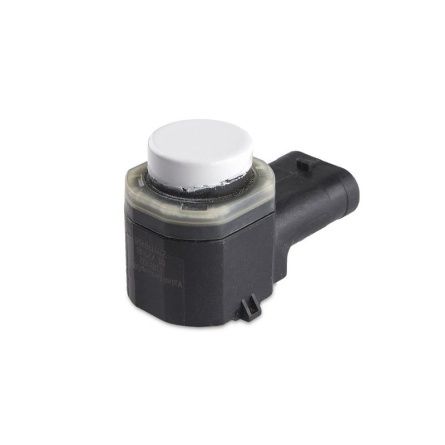
Parking Sensor
JLRJDE28658$27.29 -
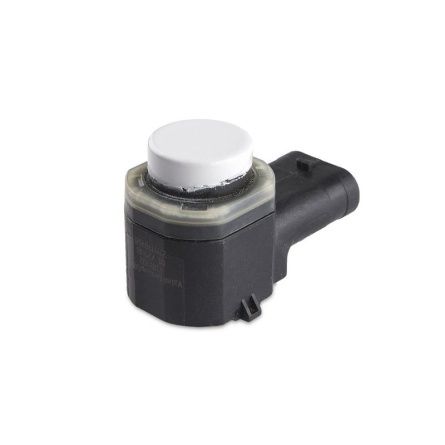
Parking Sensor
JLRLR091050$27.29 -
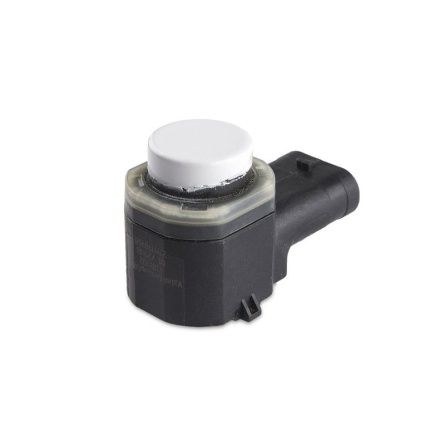
Parking Sensor
JLRJDE28659$27.29 -
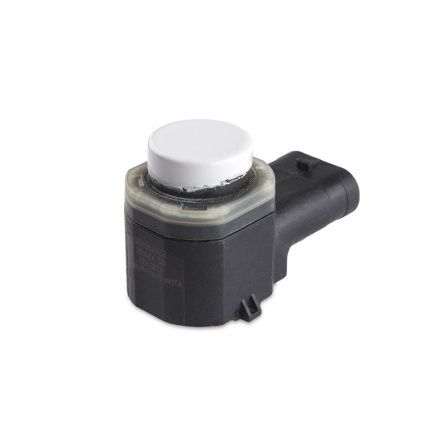
Parking Sensor
JLRLR010927$27.29 -
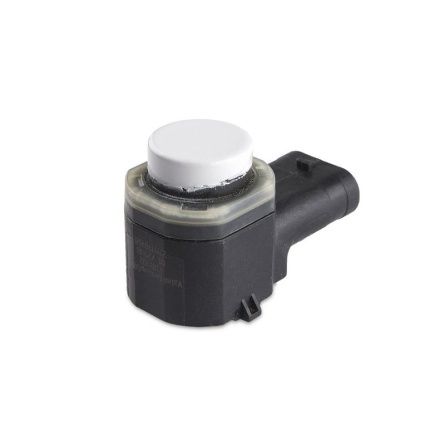
Parking Sensor
JLRLR006039$27.29 -
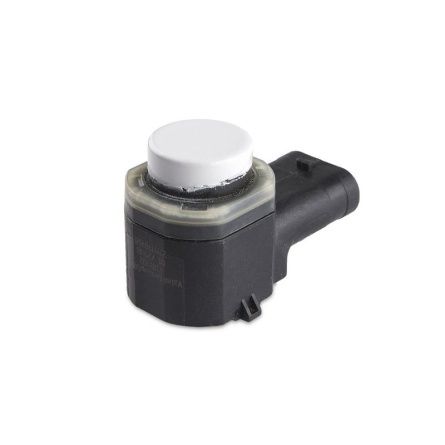
Parking Sensor
JLRC2P8511$27.29 -
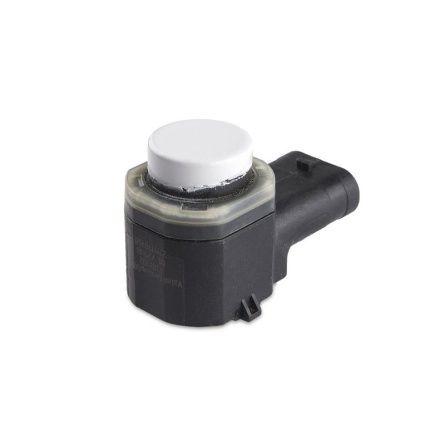
Parking Sensor
JLRC2P20587$27.29 -
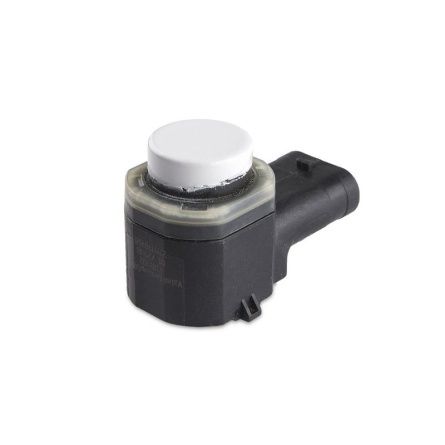
Parking Sensor
JLR9G92-15K859-AB$27.29 -
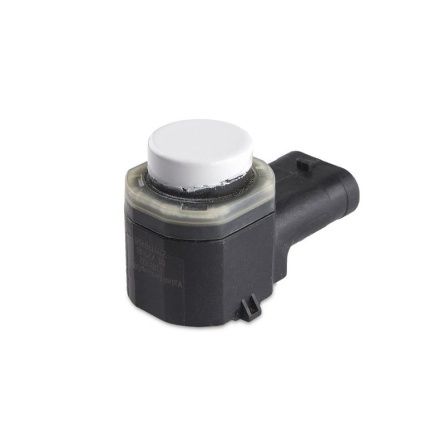
Parking Sensor
JLR9G92-15K859-DA$27.29 -
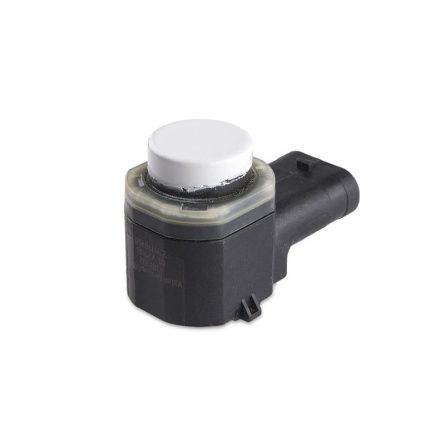
Parking Sensor
JLR9G92-15K859-AA$27.29 -
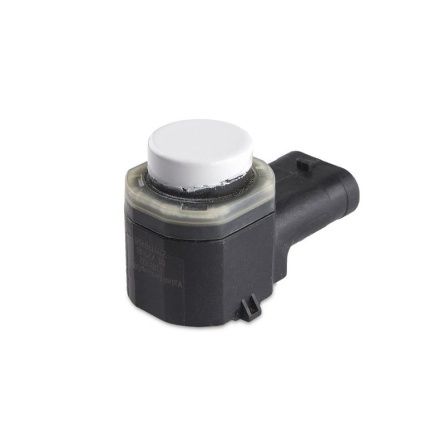
Parking Sensor
Toyota89341-05010$27.29 -

Parking Sensor
Volvo31445162$27.29 -
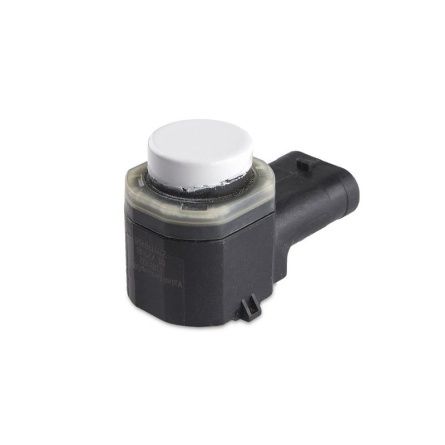
Parking Sensor
Volvo31270913$27.29 -
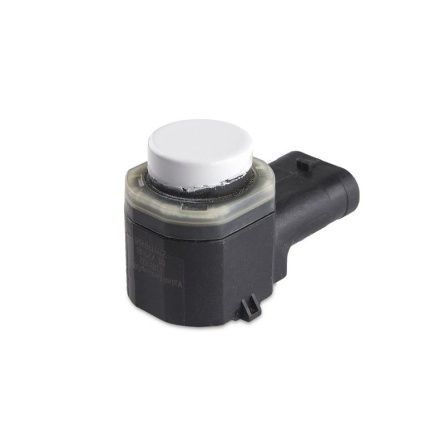
Parking Sensor
Volvo9G92-15K859-DAW$27.29 -
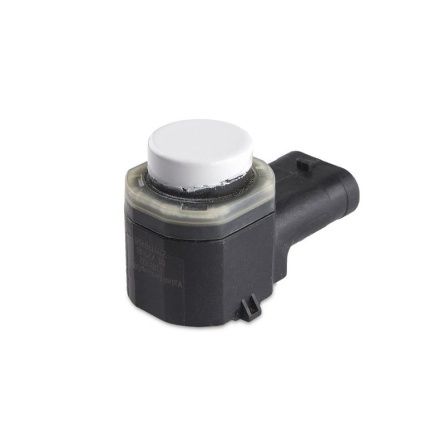
Parking Sensor
Volvo9G92-15K859-BA$27.29 -
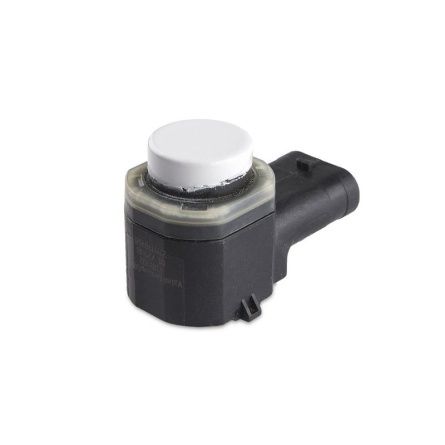
Parking Sensor
Volvo31341344$27.29 -
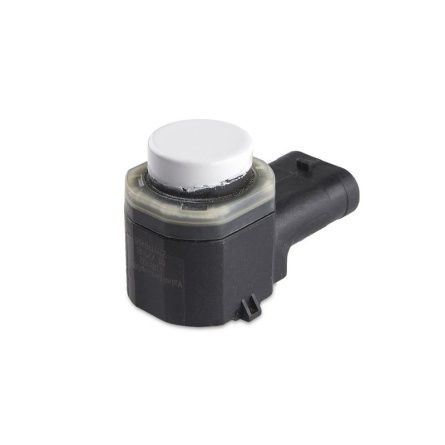
Parking Sensor
Volvo31270911$27.29 -
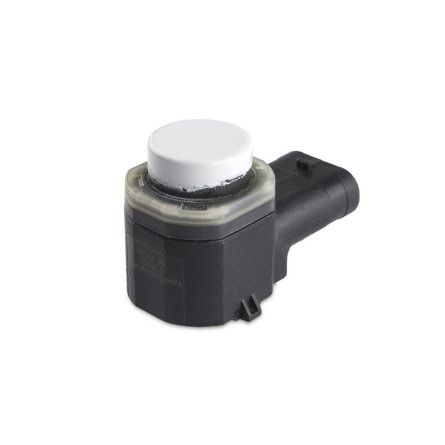
Parking Sensor
Volvo30786643$27.29 -
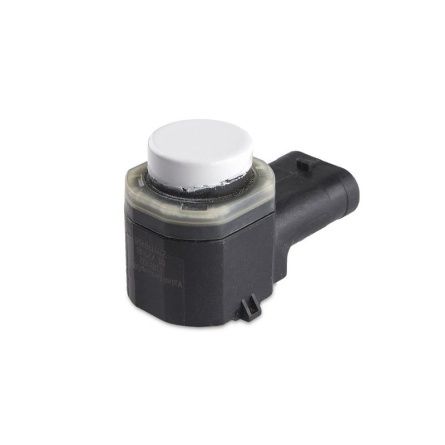
Parking Sensor
Volvo6G92-15K859-MAW$27.29 -
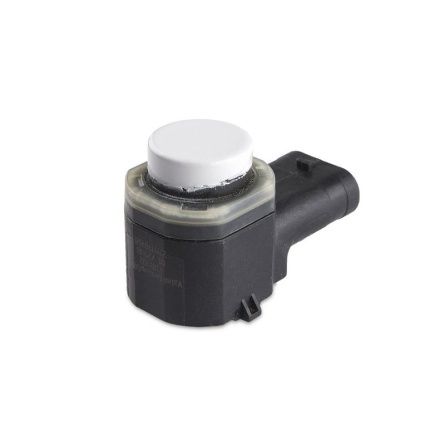
Parking Sensor
Volvo31381657$27.29 -
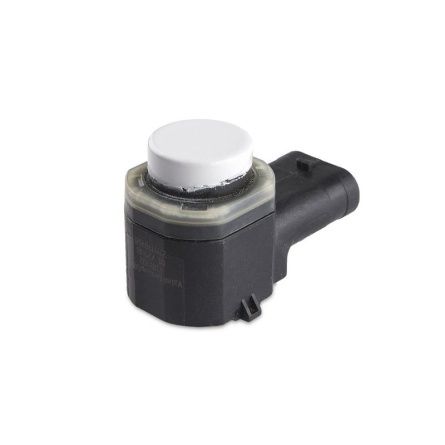
Parking Sensor
Volvo6W83-15K859-CA$27.29 -
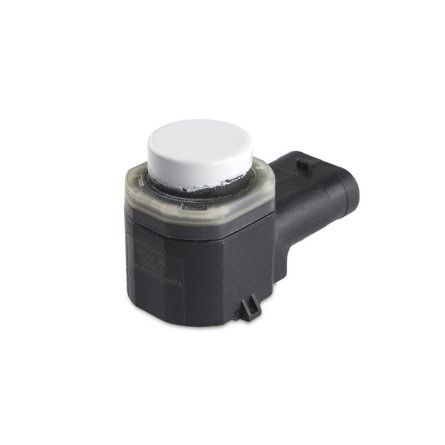
Parking Sensor
Volvo30678342$27.29 -
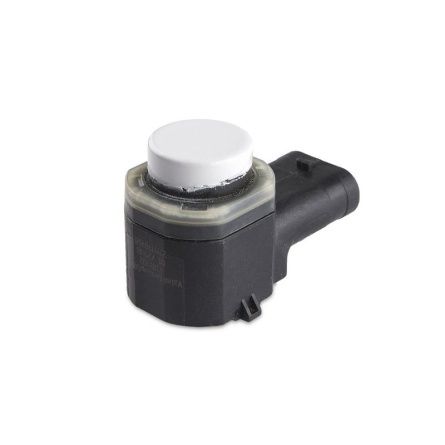
Parking Sensor
FordCJ5T-15K859-AAW$27.29 -
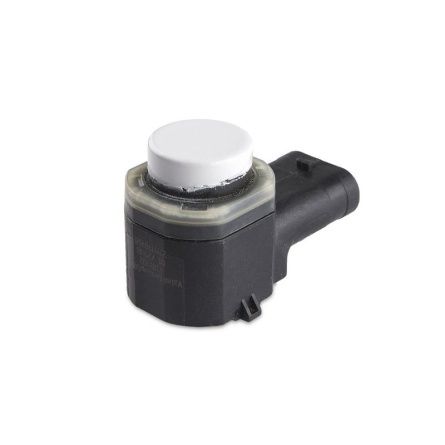
Parking Sensor
FordAM5T-15K859-AAW$27.29 -
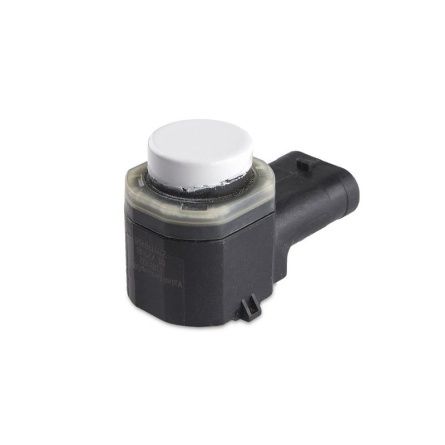
Parking Sensor
FordCJ5T-15K859-EA$27.29 -
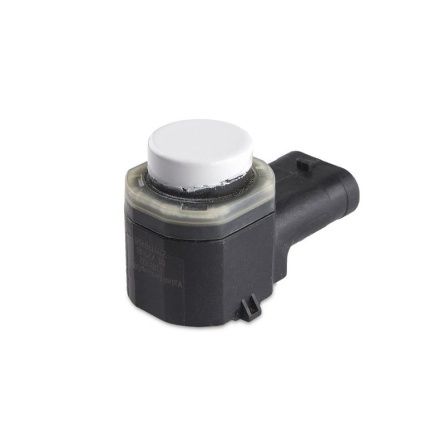
Parking Sensor
Ford6G92-15K859-CB$27.29 -
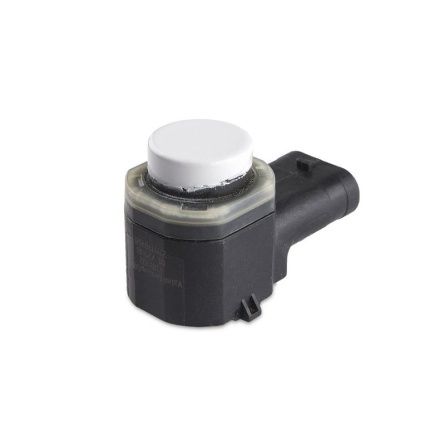
Parking Sensor
Renault8200412438$27.29 -
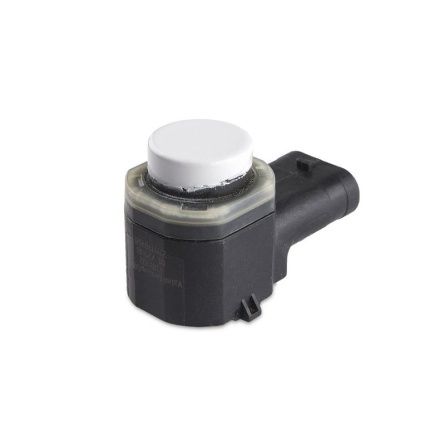
Parking Sensor
Renault284421414R$27.29 -
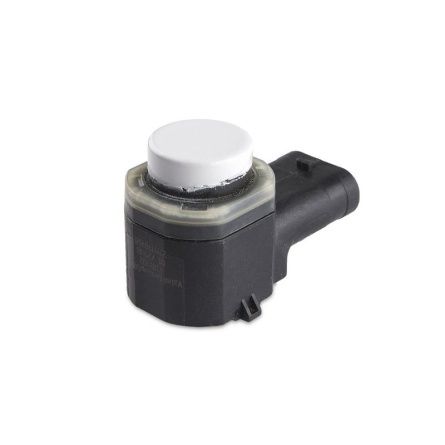
Parking Sensor
Renault8200454718$27.29
Safety systems
Safety systems play a key role in modern automotive engineering, making today’s vehicles not only faster and more comfortable but, above all, safer. These are no longer just passive solutions such as seat belts or airbags – today’s cars are equipped with advanced electronic systems that constantly monitor the surroundings, analyze road conditions, and support the driver in making decisions. Innovations in car safety systems include both classic protective mechanisms and intelligent preventive technologies – from ABS and ESP, to emergency braking systems, blind spot sensors, and adaptive cruise control. Thanks to these solutions, the effectiveness of passenger protection has increased significantly, while the ability to avoid dangerous situations has also improved. The dynamic development of technology means that car safety systems have become the foundation of modern motoring, and each new advancement brings us closer to a world where the risk of accidents is minimized.
Understanding Advanced Driver Assistance Systems (ADAS)
Advanced driver assistance systems, commonly known as ADAS, represent one of the most important breakthroughs in modern motoring. Their main purpose is to enhance road safety by supporting drivers in real time, reducing the risk of accidents, and creating conditions for more comfortable and confident driving. Unlike traditional solutions that react only after a collision, ADAS technologies are designed to actively prevent dangerous situations, combining sensors, cameras, radars, and intelligent algorithms to continuously monitor both the vehicle and its surroundings.
One of the most widely used advanced driver assistance systems is adaptive cruise control. Unlike standard cruise control, it not only maintains a set speed but also automatically adjusts the distance from the vehicle ahead. By monitoring traffic, it can reduce speed when necessary and accelerate again once the road is clear, improving safety during highway driving and in congested conditions. Another essential feature is the lane keeping assist system, which uses cameras to detect lane markings and gently corrects steering when the vehicle drifts unintentionally. This minimizes the risk of side collisions and reduces driver fatigue during long journeys.
Modern ADAS solutions also include traffic sign recognition, blind spot monitoring, forward collision warning, and autonomous emergency braking. Each of these plays a unique role, but together they form a comprehensive safety network that actively supports the driver in making better, faster decisions. As technology evolves, ADAS functions are becoming more sophisticated, paving the way for semi-autonomous and even fully autonomous driving.
The Evolution of Car Safety Systems
The history of safety systems is a story of continuous innovation driven by the need to protect drivers and passengers on increasingly busy roads. In the early decades of motoring, safety was often secondary to performance and style. The first milestone came with the introduction of seat belts in the mid-20th century. Initially met with skepticism, they quickly proved to be one of the most effective life-saving innovations, dramatically reducing fatalities in collisions.
Another breakthrough arrived with the development of airbags in the 1970s and their mass adoption in the 1980s and 1990s. Deploying instantly during an impact, airbags added a crucial layer of protection for the head and chest, working together with seat belts to minimize serious injuries.
As vehicles became faster, engineers recognized the need for systems that could prevent accidents altogether, not just reduce their effects. This led to the creation of Anti-lock Braking Systems (ABS), which stopped wheels from locking during emergency braking and allowed drivers to maintain steering control. ABS opened the door to further advances like Electronic Stability Control (ESC), which helps drivers avoid skidding by adjusting braking and engine power.
Electronics transformed safety into a proactive field. Sensors, radars, and onboard computers enabled features such as traction control, collision warning, and automatic emergency braking. These technologies created a network of car safety features that actively prevent accidents and protect all road users. Today, cars can anticipate risks before the driver reacts, from adaptive cruise control to lane-keeping assistance, pushing us closer to the vision of zero-fatality roads.
Key Benefits of Modern Safety Systems
Modern safety systems have redefined driving by preventing accidents, supporting drivers, and protecting passengers. Studies by Euro NCAP show that autonomous emergency braking can reduce rear-end collisions by nearly 40 percent. Adaptive cruise control reduces stress on highways, while lane-keeping assistance helps during fatigue. Passenger protection has also advanced – seat belts and airbags are now complemented by intelligent systems like adaptive airbag deployment and electronic stability control. Data from the NHTSA confirms that ESC alone has reduced single-vehicle crashes by more than 50 percent. These advances not only save lives but also inspire confidence, giving drivers peace of mind that their vehicles are equipped to handle the unexpected.
Future Trends in Vehicle Safety Technology
The future of safety will be shaped by driving automation, V2X connectivity, and digital security. Regulations such as the U.S. FMVSS 127 make automatic emergency braking (AEB) mandatory by 2029, while Europe’s GSR II introduces phased requirements like Intelligent Speed Assistance (ISA) from 2024 onward. Euro NCAP’s “Vision 2030” emphasizes active safety, driver monitoring, and collision prevention.
Automation will progress in stages, from advanced adaptive cruise control with traffic jam functions, to stable lane-keeping and limited highway automation. V2X connectivity will serve as a collective road “sense,” with vehicles exchanging warnings about sudden braking, icy surfaces, or blocked lanes before cameras or drivers detect them. Digital safety regulations like UNECE R155 and R156 ensure that cybersecurity and over-the-air updates keep vehicles protected and systems reliable.
For drivers, the practical result will be greater consistency in AEB and lane assistance, stronger protection for vulnerable road users, and new monitoring features like child detection or adaptive airbags. Together with V2X communication and strict regulations, these technologies will steadily reduce collisions and injuries, bringing us closer to a future of safer, smarter mobility.