
TPMS sensors
-
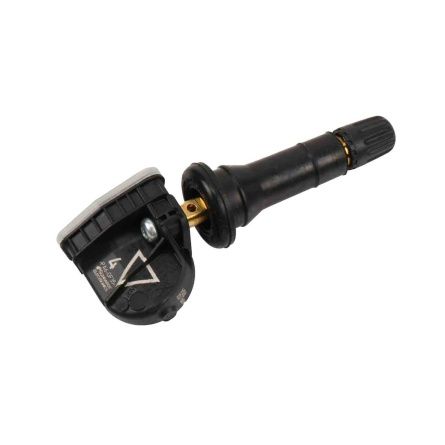
TPMS Sensor
General Motors39186445$27.29 -
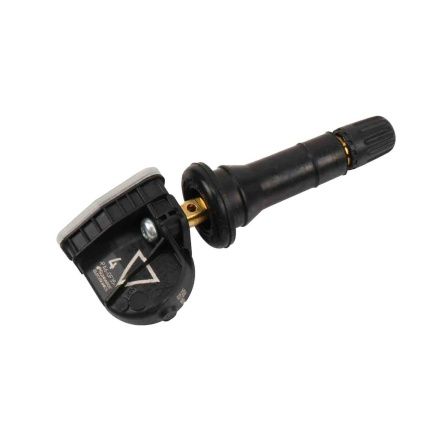
TPMS Sensor
General Motors25789964$27.29 -
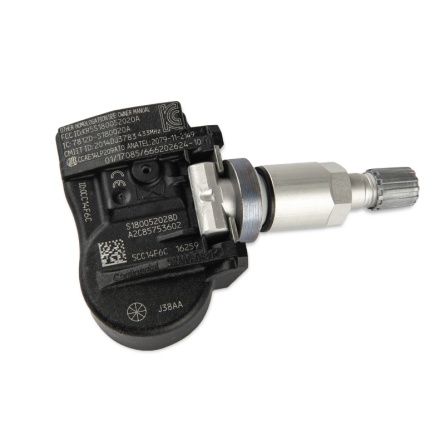
TPMS Sensor
JLR6G92-1A159-BB$36.39 -
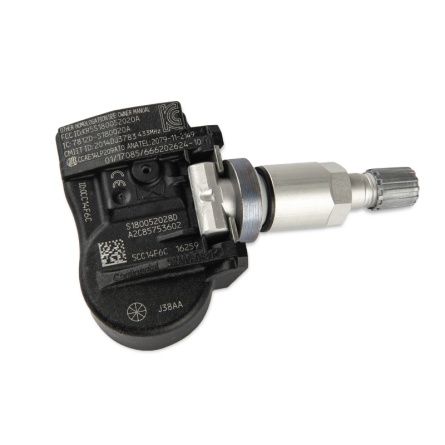
TPMS Sensor
JLR6G92-1A159-BC$36.39 -
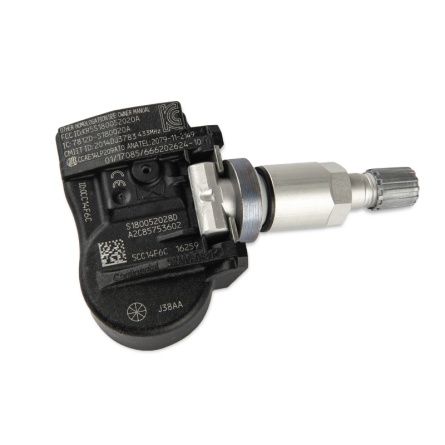
TPMS Sensor
Volvo6G921A159BB$36.39 -
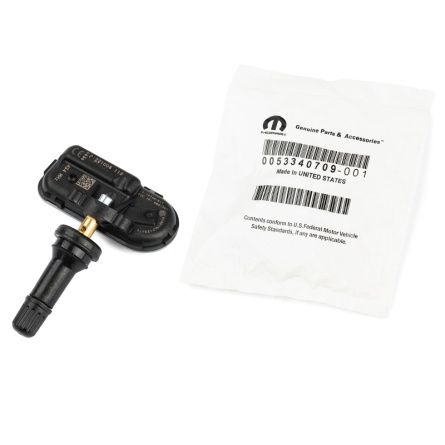
TPMS Sensor
Dodge68249197AA$36.39 -
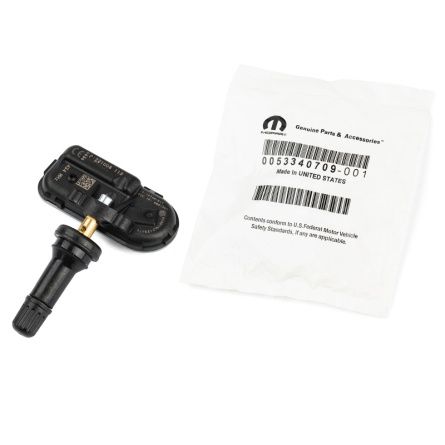
TPMS Sensor
Jeep68324960AA$36.39 -
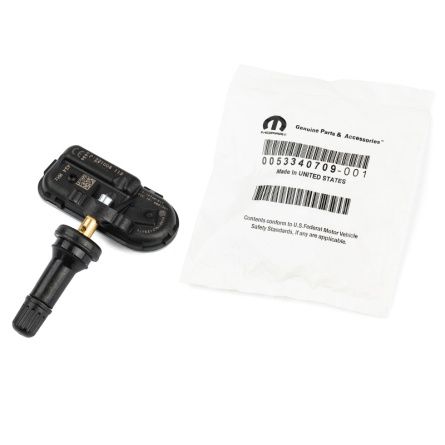
TPMS Sensor
Jeep68157568AA$36.39 -
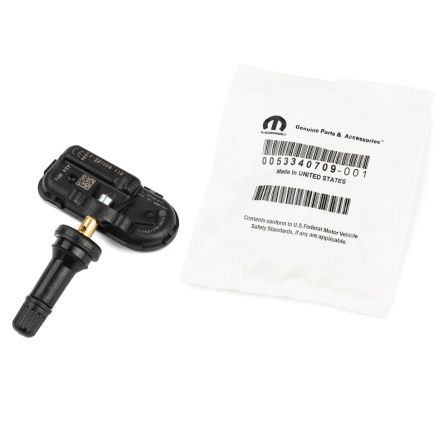
TPMS Sensor
Jeep68324960AB$36.39 -
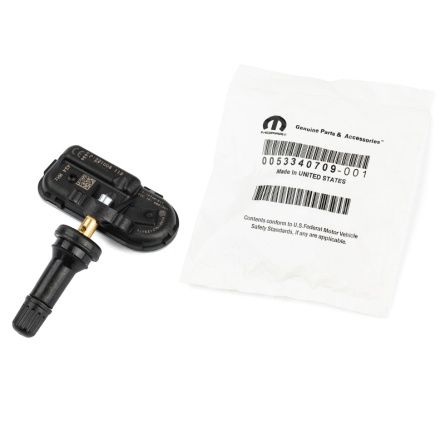
TPMS Sensor
Jeep68239720AA$36.39 -
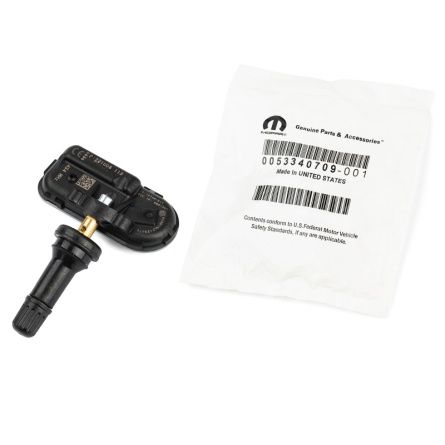
TPMS Sensor
Jeep68239720AC$36.39 -
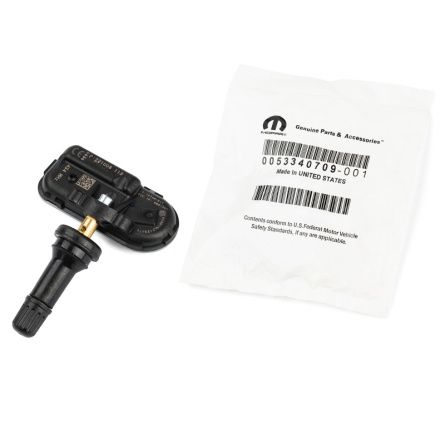
TPMS Sensor
Jeep68378369AB$36.39 -
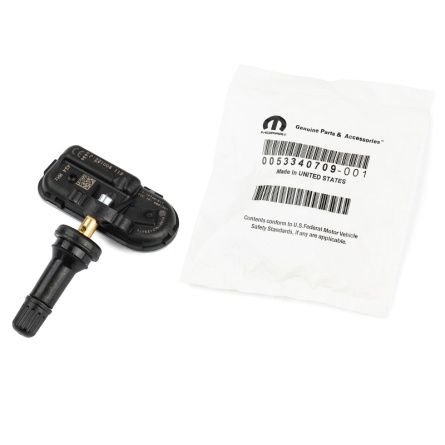
TPMS Sensor
Jeep68378369AD$36.39 -
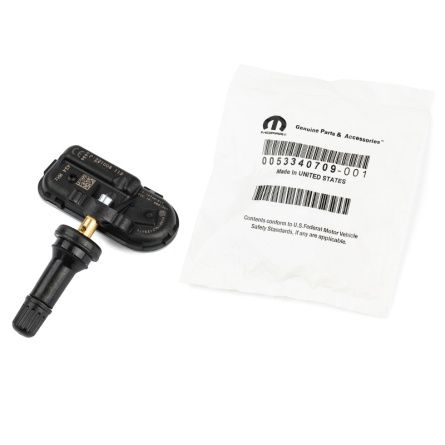
TPMS Sensor
Jeep68378369AC$36.39 -
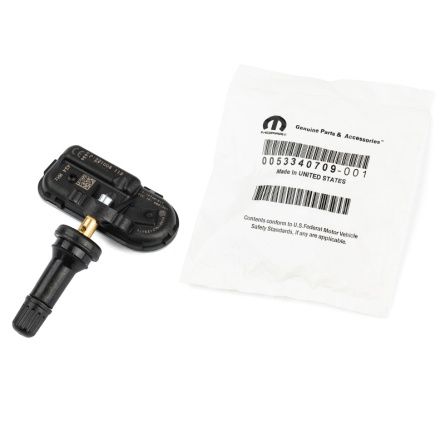
TPMS Sensor
Jeep68185570AA$36.39 -
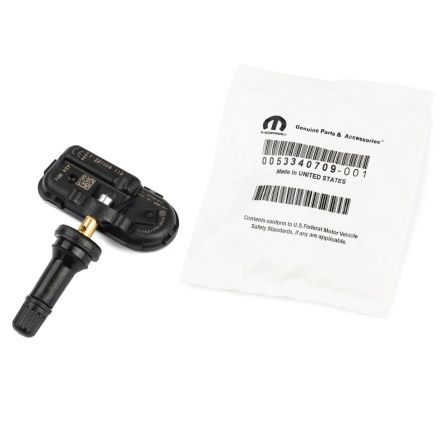
TPMS Sensor
Jeep68249200AA$36.39 -
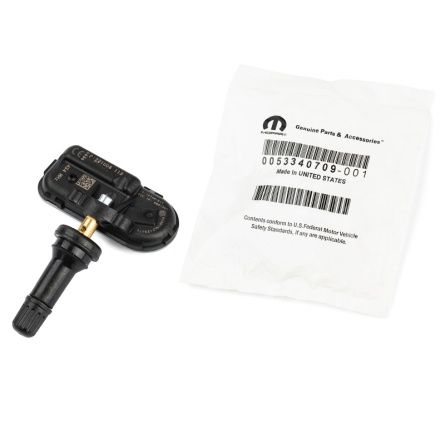
TPMS Sensor
Jeep68186575AA$36.39 -
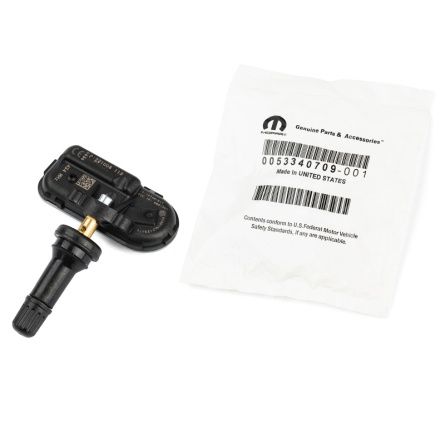
TPMS Sensor
Jeep68239725AB$36.39 -
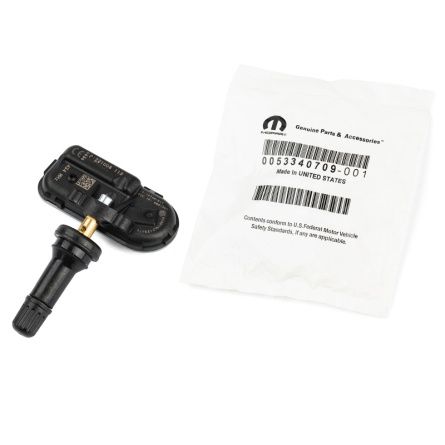
TPMS Sensor
Jeep68377549AC$36.39 -
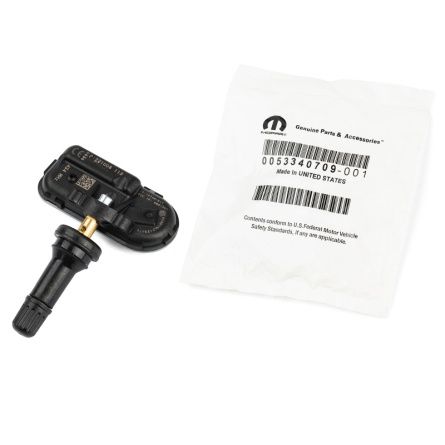
TPMS Sensor
Jeep68455823AB$36.39 -
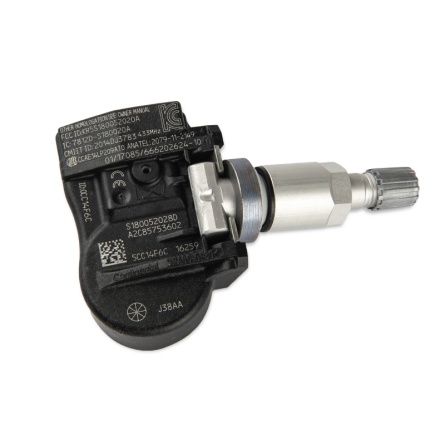
TPMS Sensor
PSA9656822980$36.39 -
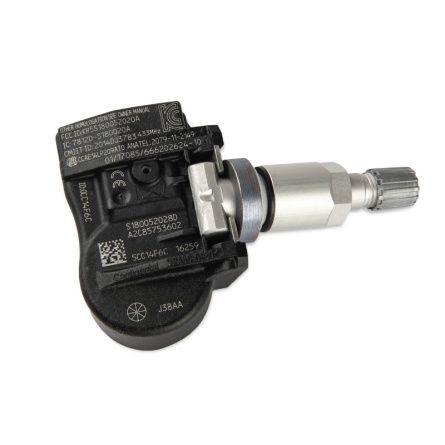
TPMS Sensor
PSA9681102280$36.39 -
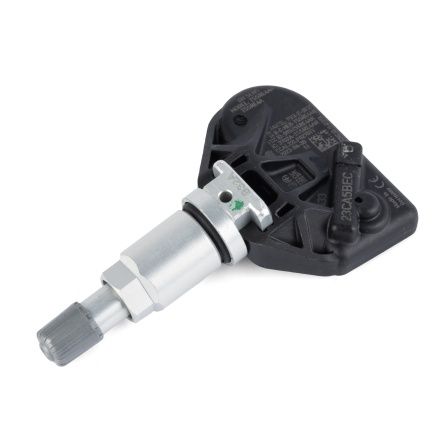
TPMS Sensor
MercedesA0009054713$36.39 -
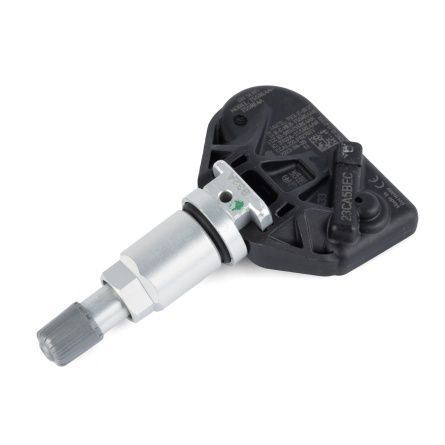
TPMS Sensor
MercedesA0009058413$36.39 -
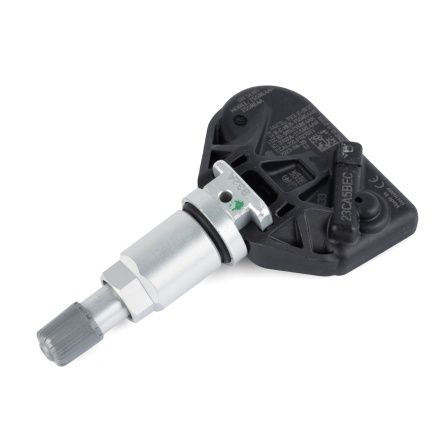
TPMS Sensor
MercedesA0009058706$36.39 -
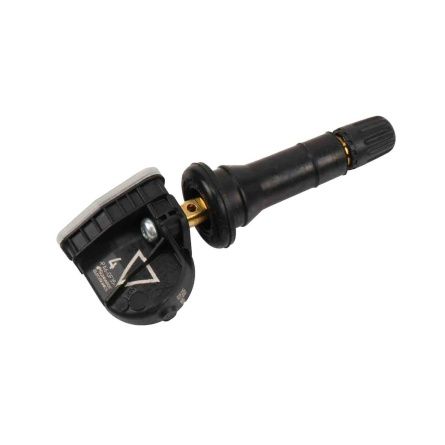
TPMS Sensor
General Motors93461364$27.29 -
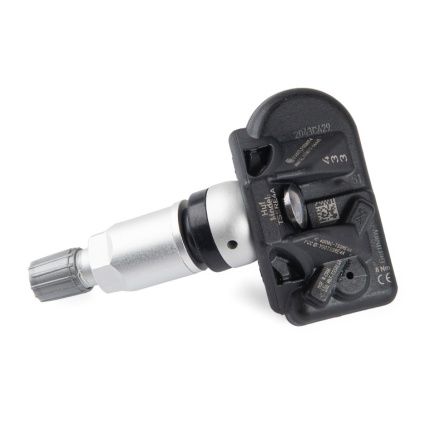
Tire pressure sensor TPMS
MercedesA0009058821$31.84 -
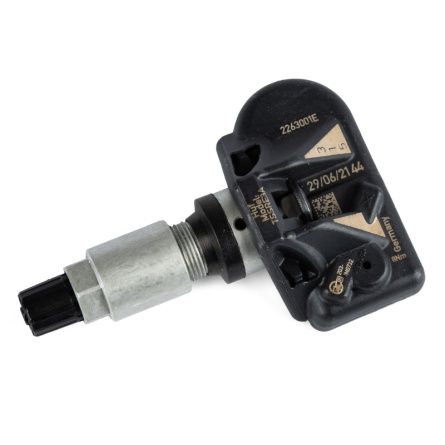
Tire pressure sensor TPMS
MercedesA0009058921$45.49 -
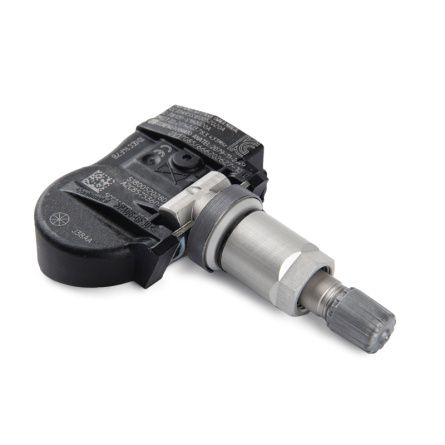
TPMS Sensor
ContinentalS180052050Z$36.39 -
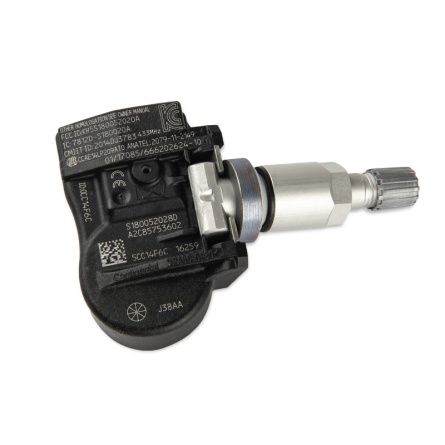
TPMS Sensor
JLRAH52-1A159-AA$36.39 -
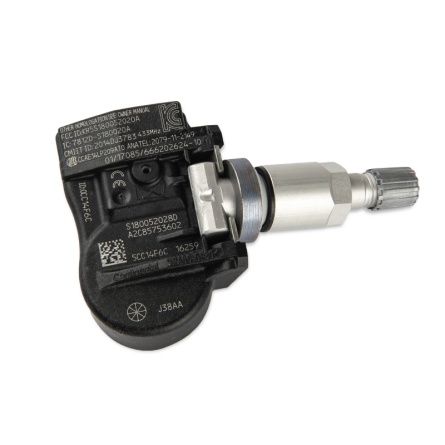
TPMS Sensor
JLRBH52-1A159-AA$36.39 -
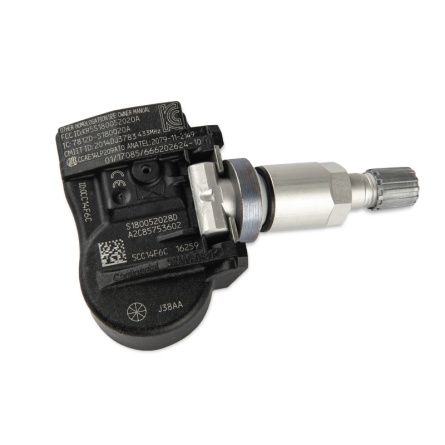
TPMS Sensor
JLRBH52-1A189-AA$36.39 -
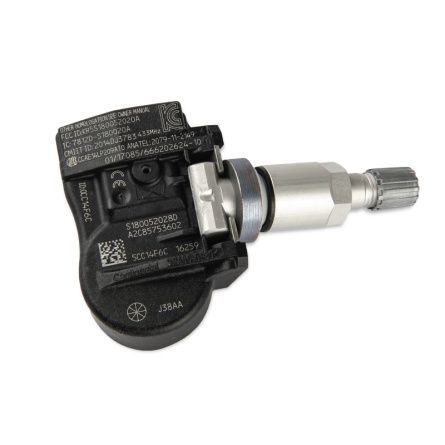
TPMS Sensor
JLRGX63-1A159-AA$36.39 -
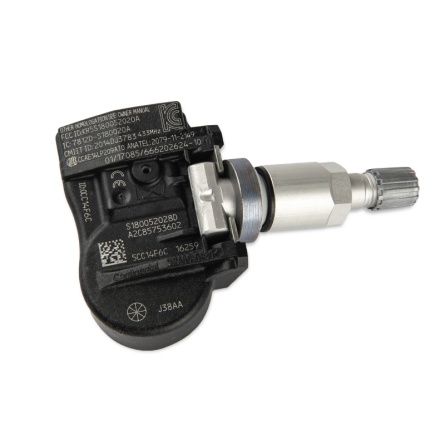
TPMS Sensor
JLRGX63-1A189-AA$36.39 -
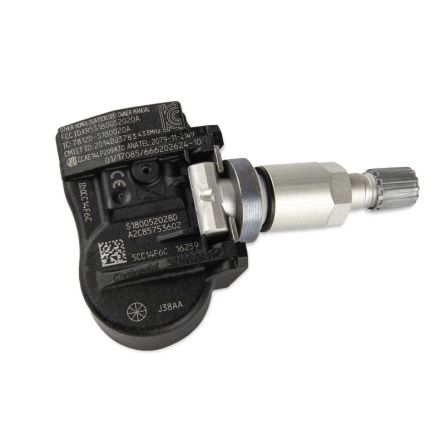
TPMS Sensor
JLRFW93-1A159-AB$36.39 -
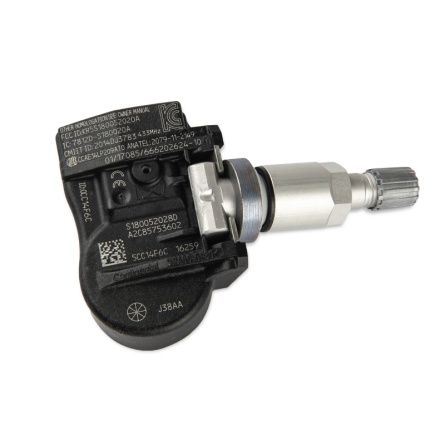
TPMS Sensor
JLRC2D15550$36.39
Tire pressure sensors TPMS
In today’s world of smart automotive technology, tire pressure sensors have become an essential part of driving safety and vehicle performance. These intelligent devices continuously monitor the air pressure in each tire, alerting the driver when levels drop below the optimal range. By maintaining proper tire pressure, they help improve fuel efficiency, extend tire lifespan, and ensure stable handling on the road. More importantly, tire pressure sensors play a crucial role in preventing accidents caused by underinflated or overinflated tires — proving that even the smallest sensor can make a big difference in keeping every journey safe, efficient, and worry-free.
Understanding TPMS Technology
The Tire Pressure Monitoring System (TPMS) is an advanced safety feature designed to keep drivers informed about the air pressure in their tires at all times. Its main function is to detect when tire pressure drops below the recommended level and alert the driver through a dashboard warning light or a digital display. TPMS operates using either direct or indirect monitoring methods.
In a direct TPMS, individual pressure sensors are installed inside each tire, usually attached to the valve stem or integrated into the wheel. These sensors measure the exact air pressure and temperature, transmitting real-time data to the vehicle’s electronic control unit (ECU). If any tire’s pressure falls below the specified limit, the system instantly triggers an alert, allowing the driver to react quickly and avoid potential hazards.
An indirect TPMS, on the other hand, does not measure air pressure directly. Instead, it uses the vehicle’s ABS or wheel speed sensors to detect changes in tire rotation. When a tire loses air, its diameter decreases, causing it to spin faster than the others. The system identifies this difference and signals a warning to the driver.
The advantages of TPMS extend far beyond convenience. By ensuring optimal tire pressure, the system improves fuel economy, enhances traction, and maintains consistent braking performance. Most importantly, it reduces the risk of tire failure and helps drivers stay in control — making TPMS one of the most valuable safety features in today’s vehicles.
Types of Tire Pressure Sensors
There are two main types of tire pressure sensors used in modern vehicles — direct and indirect systems — each offering unique benefits and levels of precision.
Direct tire pressure sensors are the most accurate and advanced option. These small electronic devices are mounted inside the wheel and measure air pressure and temperature in real time. The data is then transmitted wirelessly to the ECU. The system can pinpoint exactly which tire is underinflated and by how much, giving the driver precise and immediate information. The main advantages of direct TPMS include real-time accuracy, the ability to monitor all tires (including the spare, in some cases), and early detection of leaks or rapid pressure loss.
Indirect TPMS, in contrast, estimates tire pressure through the vehicle’s existing ABS or wheel speed sensors. When one tire rotates faster due to a smaller circumference caused by air loss, the system detects this variation and warns the driver. Indirect systems are less expensive, easier to maintain, and do not require sensor batteries — making them ideal for compact or budget-friendly vehicles.
In short, direct TPMS provides higher precision and faster alerts, while indirect systems offer simplicity and low maintenance. Both approaches, however, play an essential role in keeping your vehicle safe and performing efficiently.
Benefits of Using TPMS Sensors
The benefits of TPMS reach every aspect of driving — from safety and comfort to savings and sustainability. Safety is the top priority: underinflated tires can reduce traction, extend braking distance, and even cause blowouts at high speeds. TPMS eliminates guesswork by giving drivers instant awareness of their tire condition.
Fuel economy is another major advantage. Properly inflated tires reduce rolling resistance, helping the engine use less energy. Even a slight pressure drop can raise fuel consumption by several percent — a cost that adds up over time. TPMS helps drivers maintain efficiency effortlessly.
Lastly, correct tire pressure leads to longer tire life. Tires with the right inflation wear evenly, preventing premature replacement and lowering maintenance costs. This also benefits the environment by reducing waste and material consumption.
Together, these advantages make TPMS one of the smartest and most cost-effective safety systems available in modern cars.
Choosing the Right TPMS for Your Vehicle
Selecting the right TPMS sensor involves understanding compatibility, functionality, and quality. Always ensure the sensor matches your vehicle’s make, model, and communication frequency, as each manufacturer uses unique systems. Some sensors are OE-specific, while others are universal programmable sensors that can be cloned or reprogrammed for different vehicles — a flexible option for workshops and multi-brand fleets.
For vehicles using direct TPMS, choose sensors with reliable wireless communication, strong corrosion resistance, and durable batteries. In contrast, indirect TPMS systems only require recalibration after tire changes or rotations, making them low-maintenance solutions.
Finally, match the sensor to your vehicle’s purpose. Standard passenger cars benefit from compact, everyday sensors, while SUVs, trucks, and commercial vehicles may require heavy-duty versions with enhanced durability and temperature resistance.
In conclusion, TPMS sensors are more than just electronic accessories — they are key guardians of vehicle health and driver safety. The right tire pressure monitoring system ensures consistent performance, optimal fuel efficiency, and peace of mind on every drive — proving that true control begins where the rubber meets the road.