
Parking sensors
-
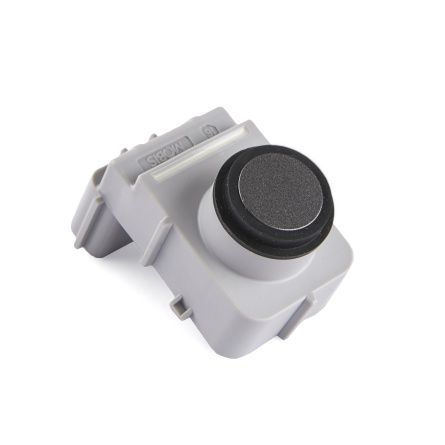
Parking sensor
Hyundai / KIA95720-1K100-ZAR$31.84 -
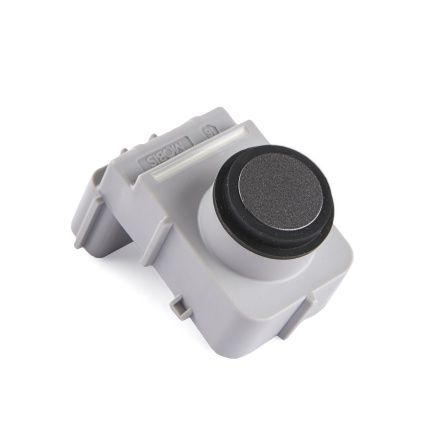
Parking sensor
Hyundai / KIA95720-2S300-ZAR$31.84 -
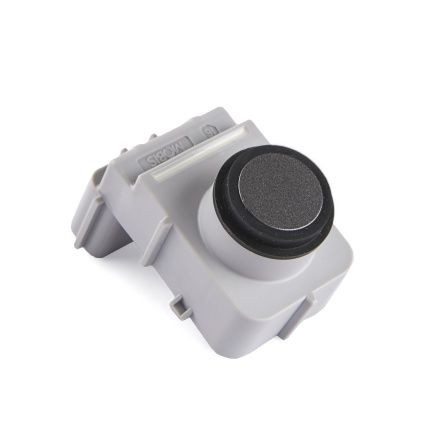
Parking sensor
Hyundai / KIA95720-2S301-ZAR$31.84 -
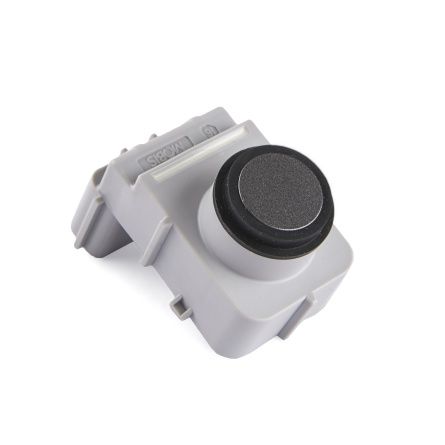
Parking sensor
Hyundai / KIA95720-A0300-V3G$31.84 -
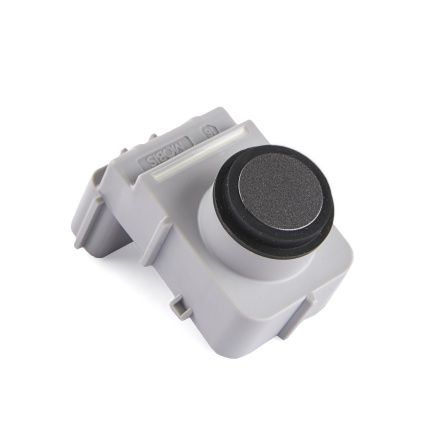
Parking sensor
Hyundai / KIA95720-C8000-V3G$31.84 -
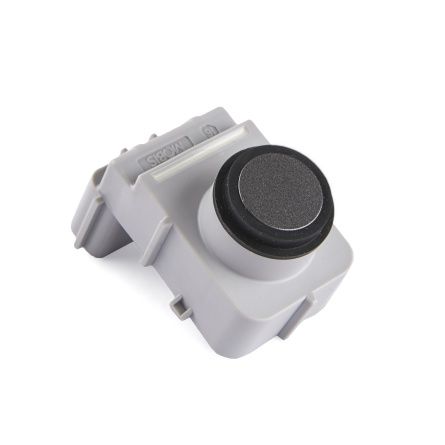
Parking sensor
Hyundai / KIA95720-C8300-V3G$31.84 -
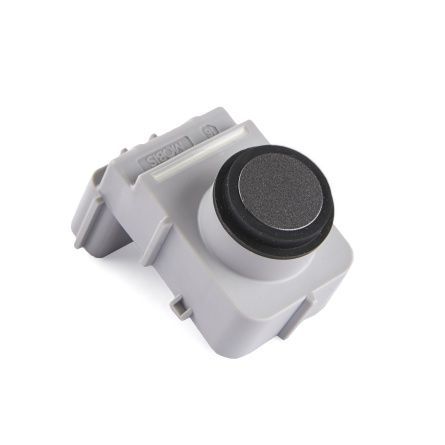
Parking sensor
Hyundai / KIA95720-1J000-SAG$31.84 -
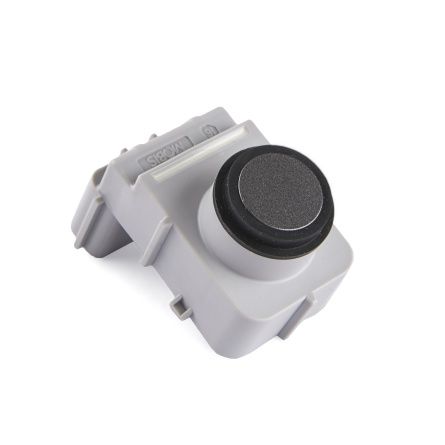
Parking sensor
Hyundai / KIA95720-1J001-SAG$31.84 -
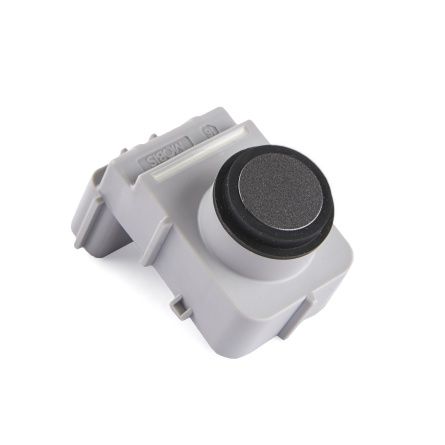
Parking sensor
Hyundai / KIA95720-1J000-V3G$31.84 -
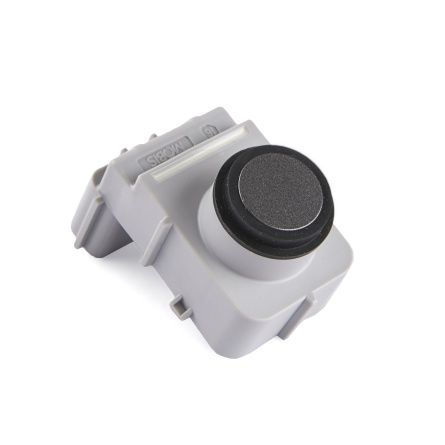
Parking sensor
Hyundai / KIA95720-1J001-V3G$31.84 -
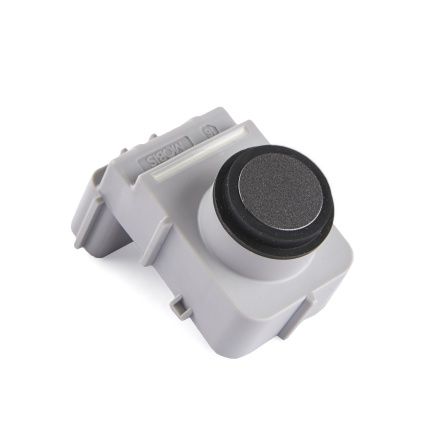
Parking sensor
Hyundai / KIA95720-B9000-V3G$31.84 -
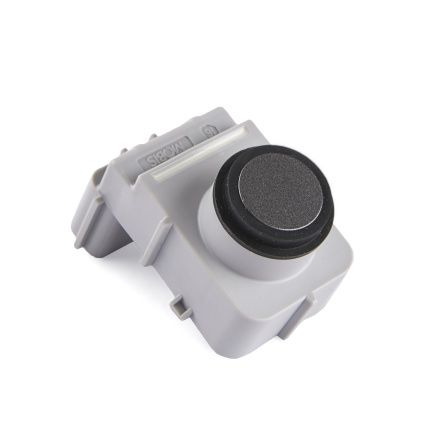
Parking sensor
Hyundai / KIA95720-B9001-V3G$31.84 -
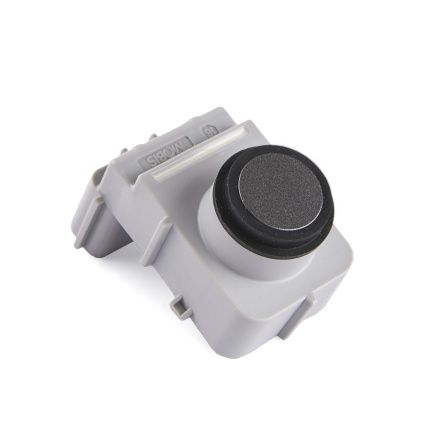
Parking sensor
Hyundai / KIA95720-2M000-U6G$31.84 -
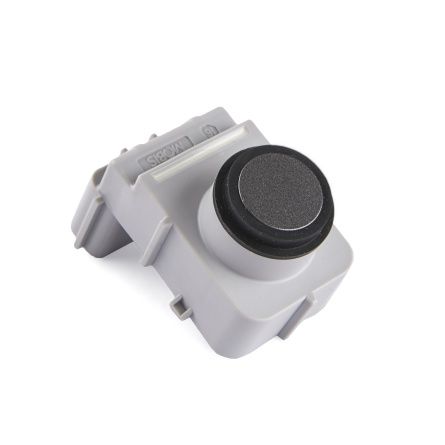
Parking sensor
Hyundai / KIA95720-2M001-U6G$31.84 -
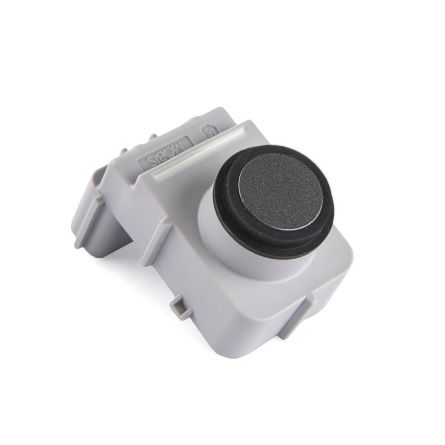
Parking sensor
Hyundai / KIA95720-2M000-YG3$31.84 -
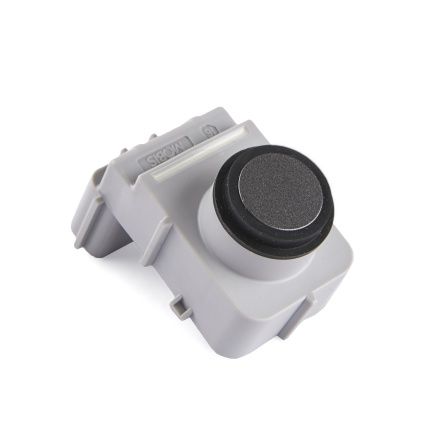
Parking sensor
Hyundai / KIA95720-2M001-YG3$31.84 -
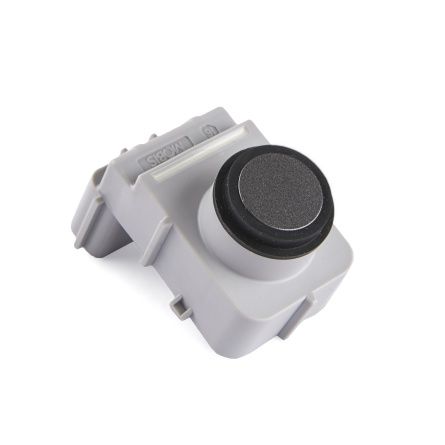
Parking sensor
Hyundai / KIA95720-A2000-E5B$31.84 -
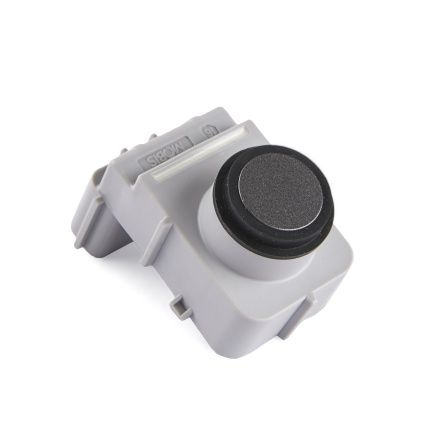
Parking sensor
Hyundai / KIA95720-A2001-E5B$31.84 -
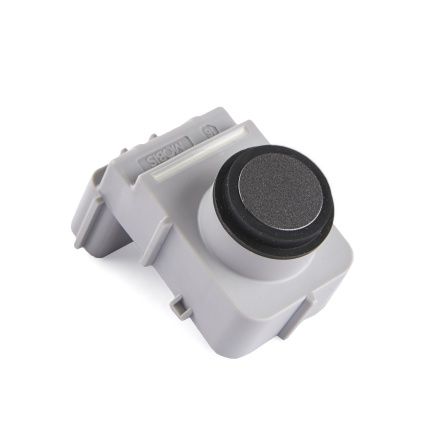
Parking sensor
Hyundai / KIA95720-A2100-E5B$31.84 -
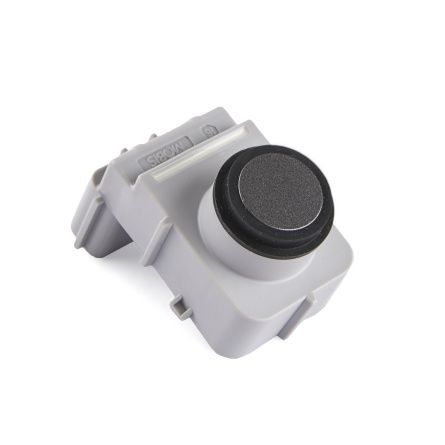
Parking sensor
Hyundai / KIA95720-A2101-E5B$31.84 -
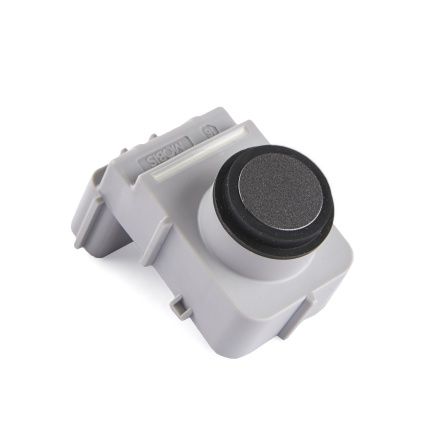
Parking sensor
Hyundai / KIA95720-A2201-E5B$31.84 -
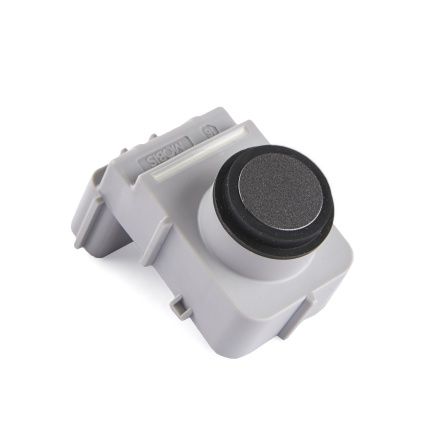
Parking sensor
Hyundai / KIA95720-A2210-E5B$31.84 -
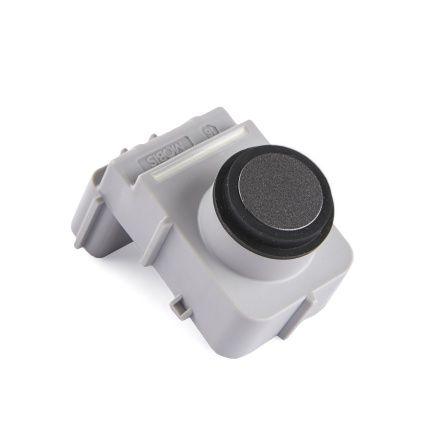
Parking sensor
Hyundai / KIA95720-A2301-E5B$31.84 -
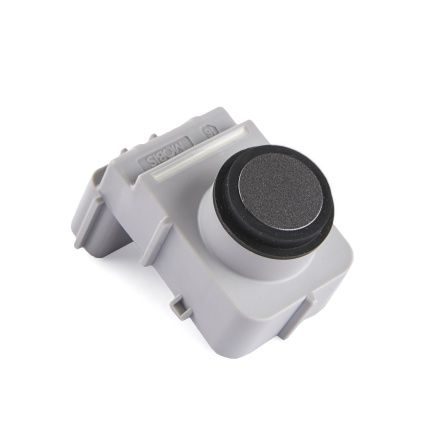
Parking sensor
Hyundai / KIA95720-A2401-E5B$31.84 -
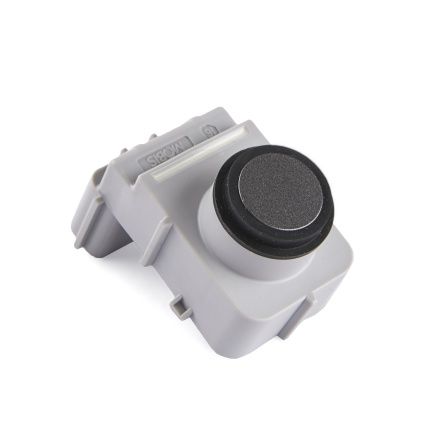
Parking sensor
Hyundai / KIA95720-A2500-E5B$31.84 -
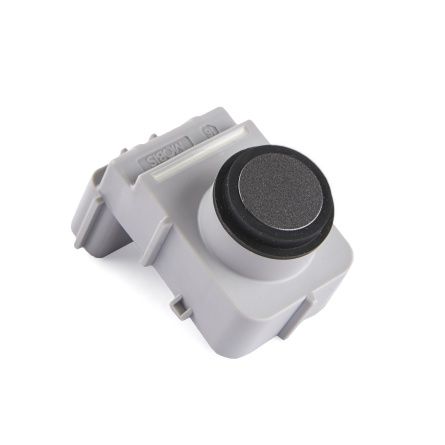
Parking sensor
Hyundai / KIA95720-A2600-E5B$31.84 -
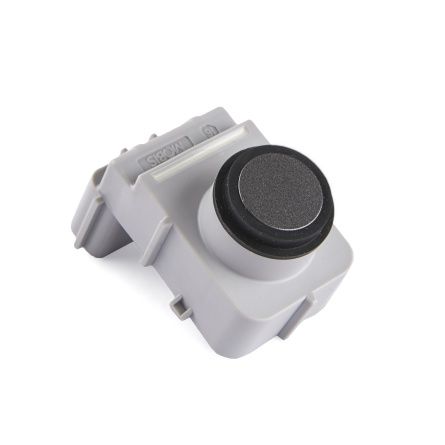
Parking sensor
Hyundai / KIA95720-A7000-K3G$31.84 -
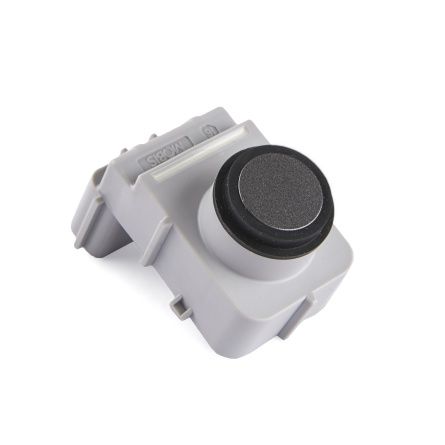
Parking sensor
Hyundai / KIA95720-A7701-K3G$31.84 -
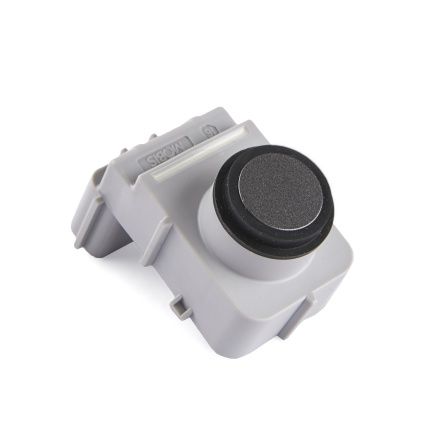
Parking sensor
Hyundai / KIA95720-A7500-D0$31.84 -
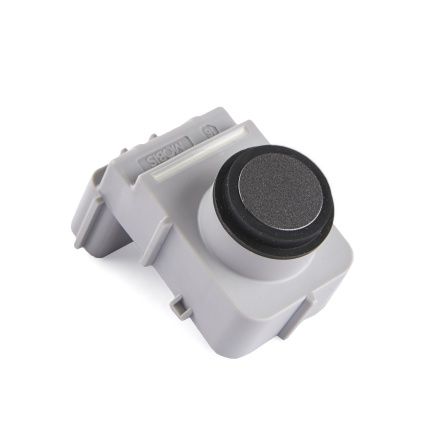
Parking sensor
Hyundai / KIA95720-A7505-D0$31.84 -
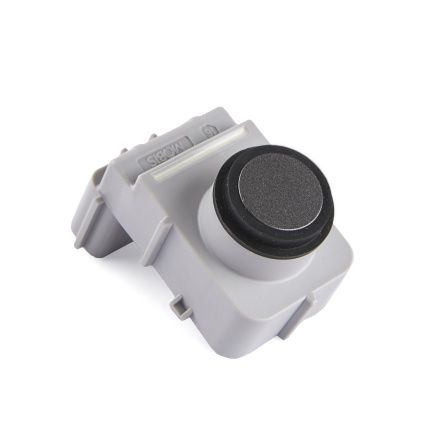
Parking sensor
Hyundai / KIA95720-A7500-K3G$31.84 -
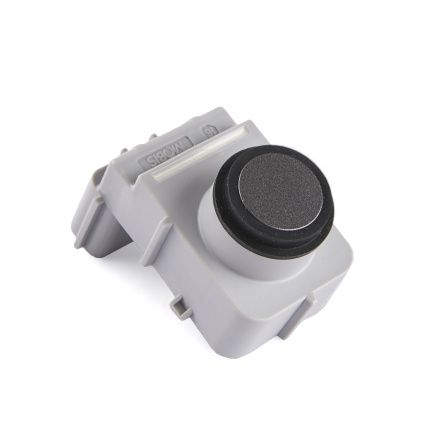
Parking sensor
Hyundai / KIA95720-A7501-K3G$31.84 -
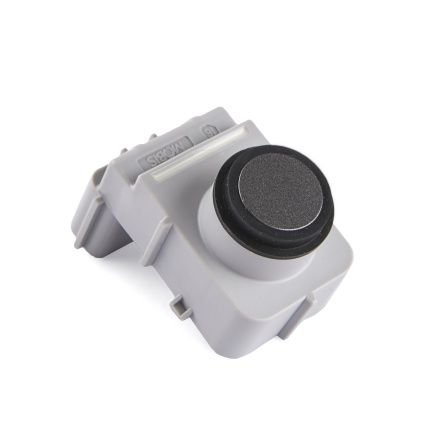
Parking sensor
Hyundai / KIA95720-A7505-K3G$31.84 -
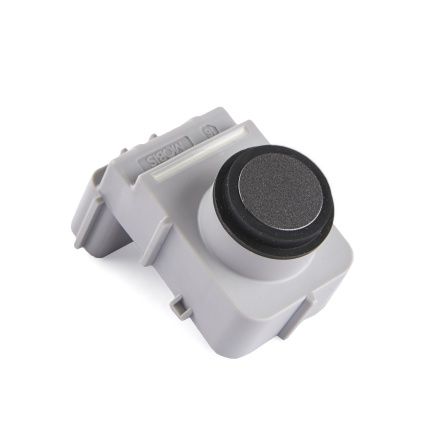
Parking sensor
Hyundai / KIA95720-A7700-K3G$31.84 -
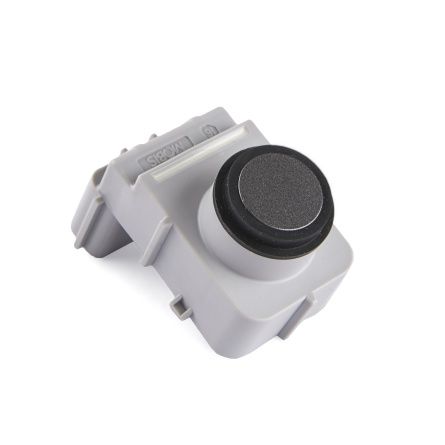
Parking sensor
Hyundai / KIA95700-1P600-E5B$31.84 -
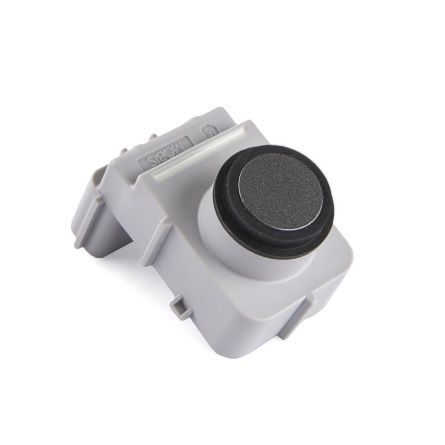
Parking sensor
Hyundai / KIA95700-1P601-E5B$31.84
Parking sensors
In today’s world of modern driving, parking sensors have become one of the most valuable innovations enhancing both safety and convenience on the road. These intelligent devices act as a driver’s invisible assistant, constantly scanning the space around the vehicle to detect obstacles that might otherwise go unnoticed. Whether maneuvering through tight urban streets, backing out of a crowded parking lot, or squeezing into a narrow garage, a parking sensor provides real-time alerts that help prevent costly damage and reduce stress behind the wheel. What was once a luxury feature reserved for premium vehicles has now become a standard component of everyday driving—offering drivers greater confidence, precision, and peace of mind in every move they make.
Understanding Parking Sensors
Parking sensors are advanced driver-assistance components designed to make low-speed maneuvers safer, easier, and more precise. Their main purpose is to detect obstacles around a vehicle—particularly when reversing or parking—and alert the driver before a collision occurs. By monitoring the immediate surroundings and providing audible or visual warnings, they help reduce the risk of accidents and make even the tightest parking spaces manageable for any driver. These systems work by using sensors—small electronic devices mounted in the vehicle’s bumpers—that continuously emit signals to detect nearby objects. The most common technology used in modern vehicles is ultrasonic sensing. An ultrasonic parking sensor emits high-frequency sound waves that bounce off obstacles and return to the sensor. The system then calculates the distance between the vehicle and the object based on how long it takes for the signal to return. The closer the object, the faster the echo is received, and the more frequent the warning alert becomes. While ultrasonic sensors are the most widely used, other technologies are also available. Electromagnetic sensors, for example, use a magnetic field around the vehicle’s perimeter to detect obstacles without relying on sound waves. Camera-based parking systems take things a step further by combining sensors with visual feedback, often integrating 360-degree or rearview camera systems for enhanced accuracy and awareness. Together, these technologies transform parking from a stressful task into a smooth, confident process. Whether through simple ultrasonic beeps or sophisticated camera-assisted detection, parking sensors play a vital role in keeping vehicles and pedestrians safe while adding a layer of comfort and precision to every parking maneuver.
Benefits of Reverse Parking Sensors
A reverse parking sensor offers one of the most practical and safety-enhancing features in modern vehicles, making everyday driving significantly safer and more convenient. Positioned in the rear bumper, these sensors continuously monitor the area behind the vehicle—where visibility is often limited—and alert the driver to any nearby obstacles. This real-time detection greatly reduces the chances of backing into another car, a wall, or even a pedestrian, particularly in tight spaces or crowded parking lots. One of the greatest advantages of reverse parking sensors is their ability to prevent low-speed collisions that commonly occur during reversing. Even careful drivers can miss small objects, children, or pets that suddenly appear behind the vehicle. By emitting a series of audible beeps that increase in frequency as the car approaches an obstacle, these sensors give drivers the crucial extra seconds they need to react and stop in time. Beyond safety, they also help minimize costly vehicle damage. Scratches, dents, or cracked bumpers from reversing accidents are among the most frequent repair issues drivers face. With a parking sensor, such incidents can be easily avoided, saving both money and stress. Furthermore, these sensors contribute to a more confident and comfortable driving experience. They make reversing into tight spots, parallel parking, or maneuvering in dark or rainy conditions far easier. In essence, reverse parking sensors combine safety, convenience, and cost-effectiveness—providing an extra layer of protection for both the vehicle and everyone around it.
Choosing the Right Ultrasonic Parking Sensor
Choosing the best ultrasonic parking sensor for your vehicle requires more than just comparing prices or designs—it’s about finding a system that perfectly matches your car’s specifications and your everyday driving needs. The most important factor to consider is compatibility. Before purchasing, make sure the chosen kit works with your vehicle’s electrical system, typically 12 volts, and that the sensor size fits the holes in your bumper, which are usually 16 or 18 millimeters in diameter. It’s also essential to check whether the system can integrate with your existing parking assistance or infotainment setup, as some vehicles already have pre-installed wiring or modules that require specific connection types. Compatibility ensures not only proper operation but also easier installation and a cleaner final look. Another critical factor is sensitivity and detection accuracy. An ultrasonic parking sensor works by sending high-frequency sound waves that bounce off nearby obstacles. The quality of the transducers and the system’s ability to interpret echoes determine how precisely it can detect objects at varying distances. Look for sensors that offer fast response times, adjustable sensitivity levels, and a reliable detection range. Ease of installation is equally important, as some systems are designed for plug-and-play integration while others require detailed wiring.
Installation and Maintenance Tips
Proper installation and regular maintenance are essential to ensure that parking sensors operate accurately and last for years. Even the most advanced system can perform poorly if installed incorrectly or neglected over time. Choosing the correct mounting position is the first step—sensors should typically be placed between 45 and 65 centimeters above the ground to cover the ideal detection area without interference from the road or exhaust pipes. Each sensor must be aligned horizontally and evenly across the bumper, as even slight tilting can distort the ultrasonic signal. It’s also important to verify that the bumper material and thickness are compatible with ultrasonic operation, as thick or metal surfaces can block the signal. Keeping the sensors clean is equally vital for long-term reliability. Dirt, mud, or ice can obstruct the ultrasonic waves and cause inaccurate readings, so regular cleaning with a soft cloth and mild cleaner is recommended. After any collision, even a minor one, check whether the sensors are cracked or misaligned, since damage may not always be visible but can affect performance. By combining careful installation with consistent maintenance, drivers can ensure that their parking sensors deliver accurate, dependable protection for years—making every parking maneuver smoother, safer, and more confident.