
Blind spot sensors
-
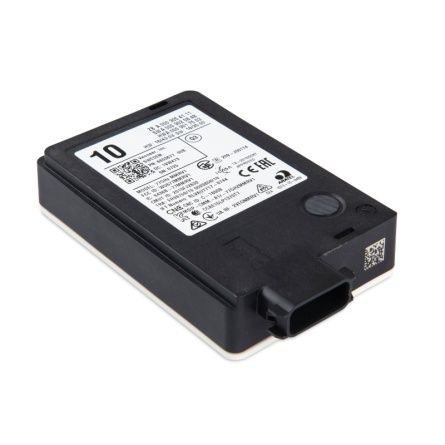
Radar Sensor
MercedesA0009054111$272.99 -
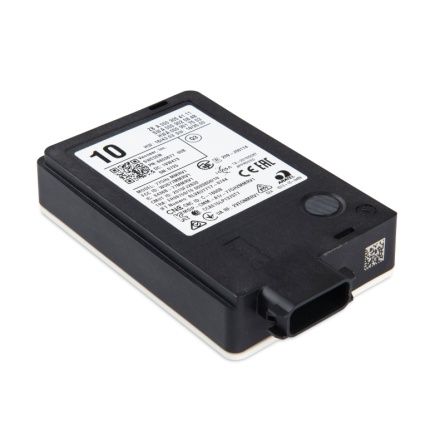
Radar Sensor
MercedesA0009051912$272.99 -
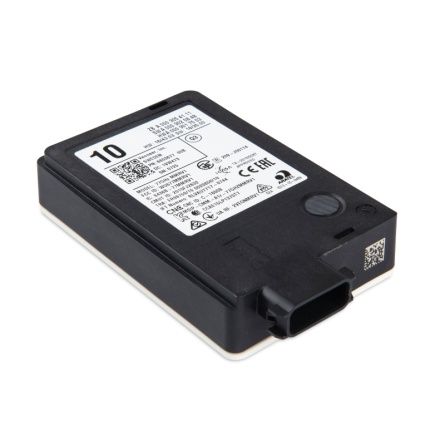
Radar Sensor
MercedesA0009052511$272.99 -
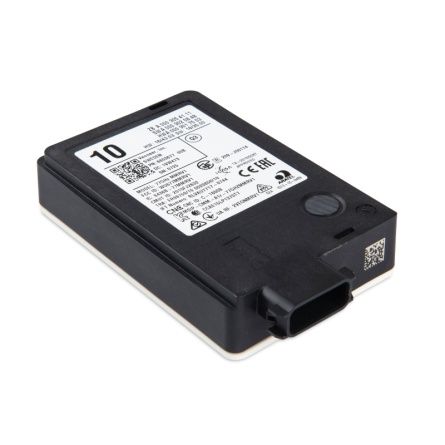
Radar Sensor
MercedesA0009055510$272.99 -
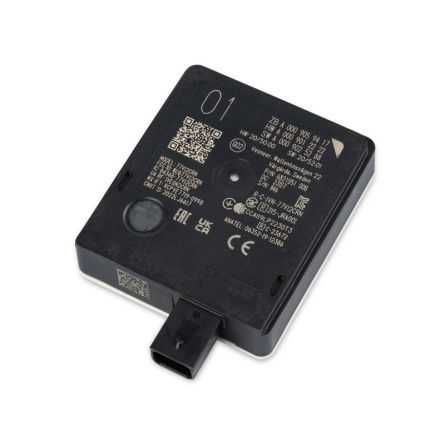
Radar Sensor
MercedesA0009059417$163.79 -
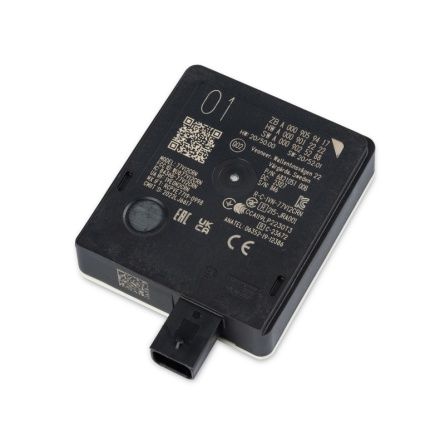
Radar Sensor
MercedesA0009051715$163.79 -
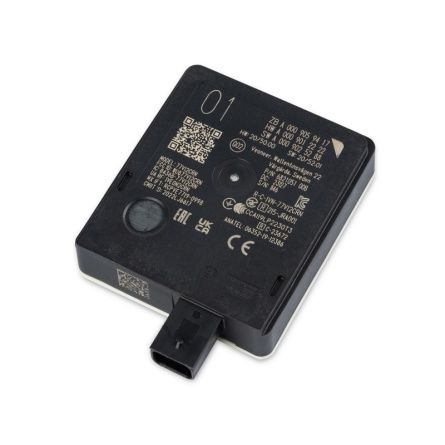
Radar Sensor
MercedesA0009051416$163.79 -
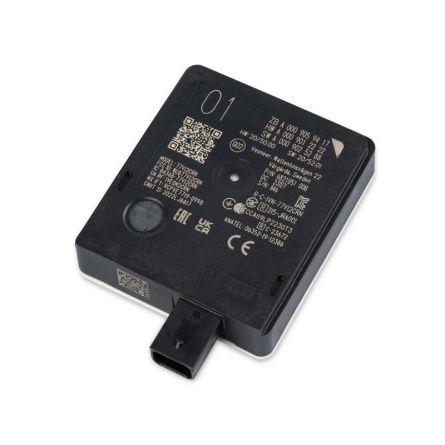
Radar Sensor
MercedesA0009059117$163.79 -
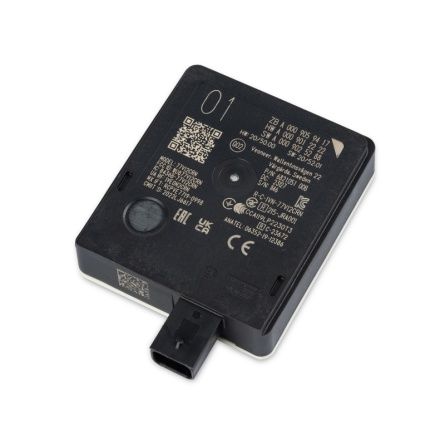
Radar Sensor
MercedesA0009051114$163.79 -
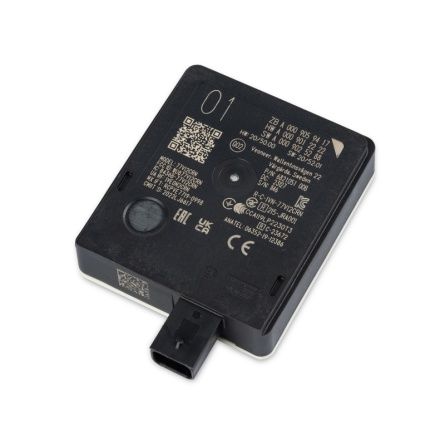
Radar Sensor
MercedesA0009058213$163.79 -
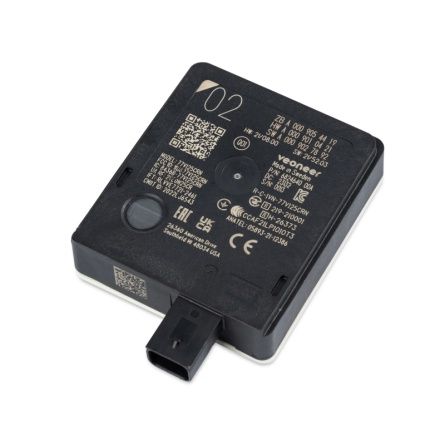
Radar Sensor
MercedesA0009054419$163.79 -
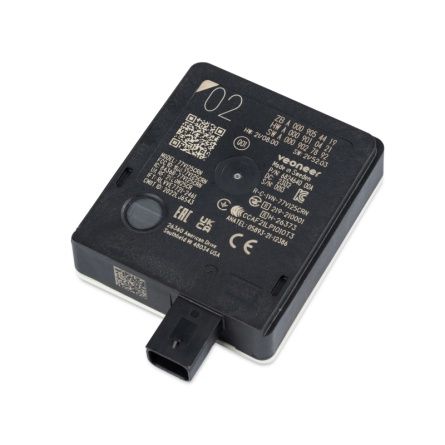
Radar Sensor
MercedesA0009001049$163.79 -
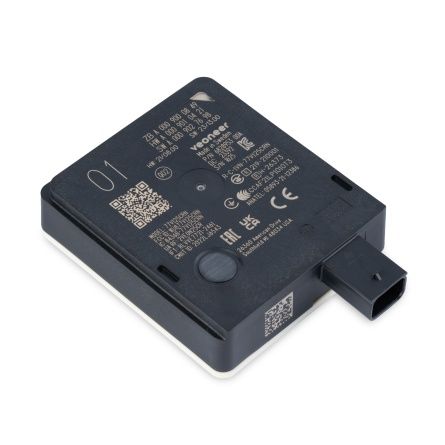
Radar Sensor
MercedesA0009000849$163.79 -
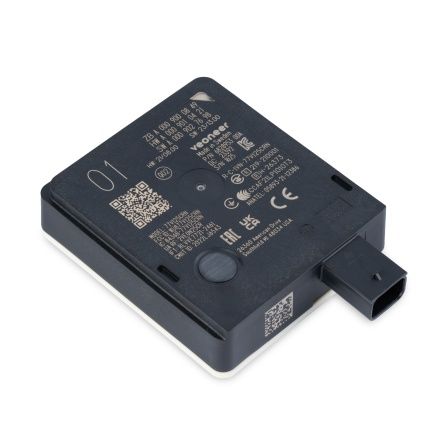
Radar Sensor
MercedesA0009054519$163.79 -
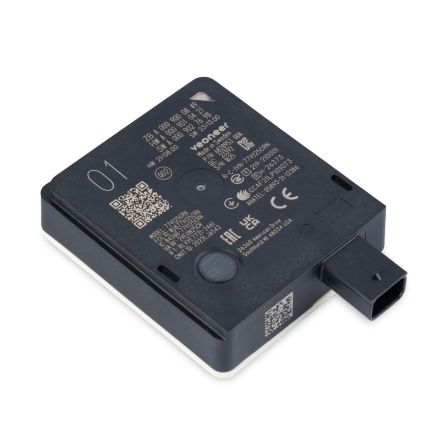
Radar Sensor
MercedesA0009058417$163.79 -
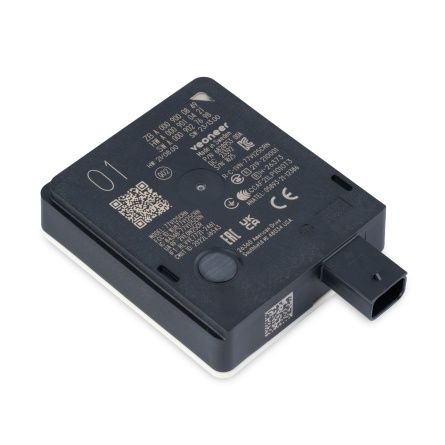
Radar Sensor
MercedesA0009054818$163.79 -
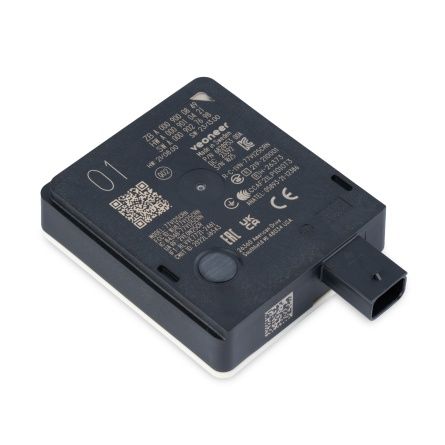
Radar Sensor
MercedesA0009005350$163.79 -
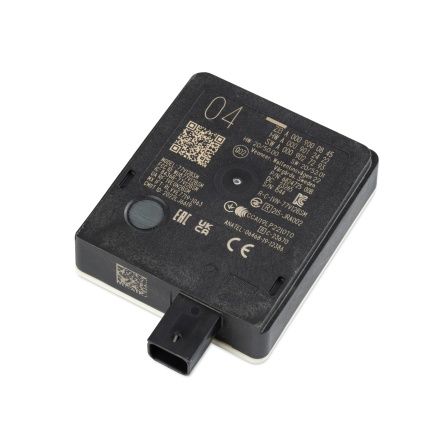
Radar Sensor
MercedesA0009000845$163.79 -
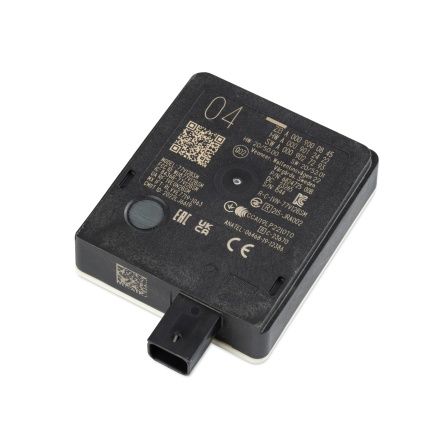
Radar Sensor
MercedesA0009003335$163.79 -
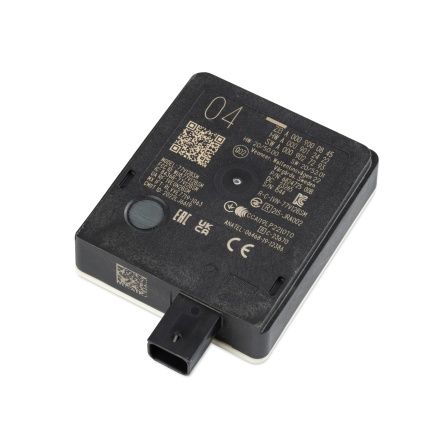
Radar Sensor
MercedesA0009004042$163.79 -
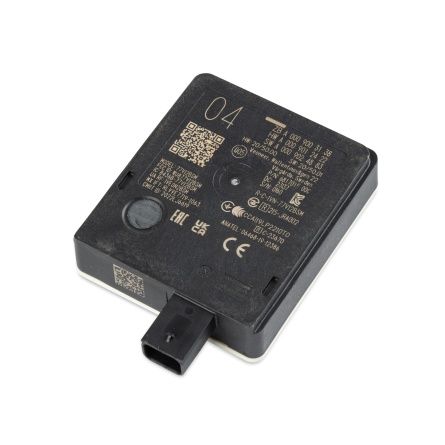
Radar Sensor
MercedesA0009003138$163.79 -
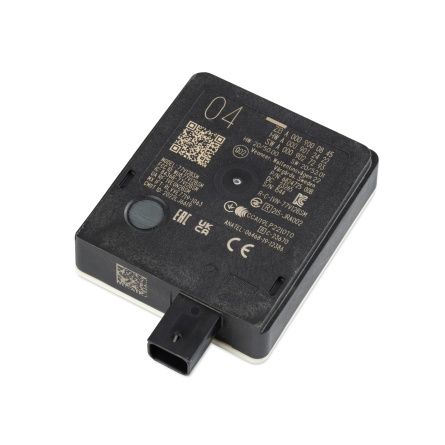
Radar Sensor
MercedesA0009004943$163.79 -
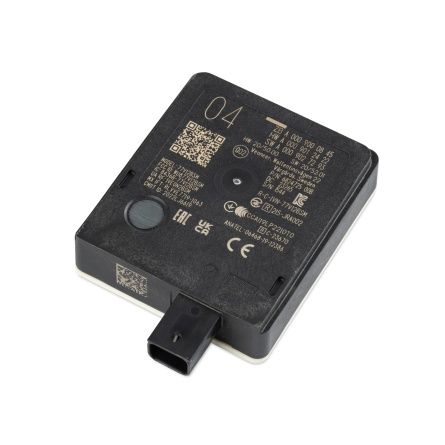
Radar Sensor
MercedesA0009001029$163.79 -
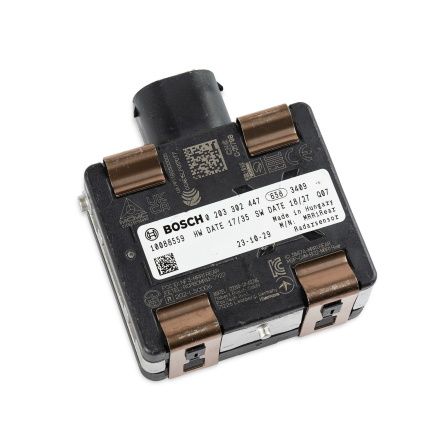
Radar Sensor
MercedesA0009055211$127.39 -
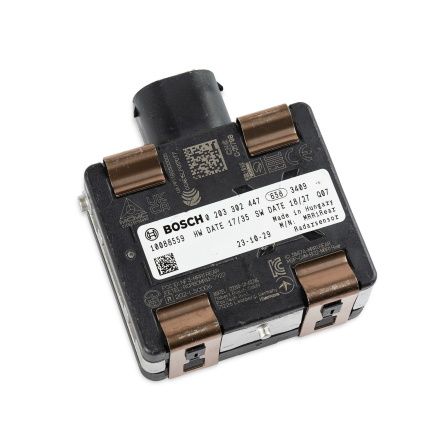
Radar Sensor
MercedesA0009053810$127.39 -
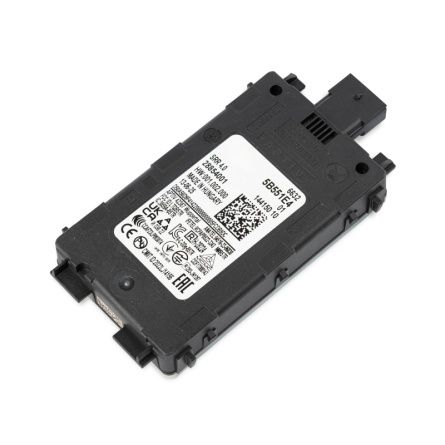
Blind spot sensor
BMW66325B551E4$181.99 -
Blind spot sensor
BMW66325A60303$181.99 -
Blind spot sensor
BMW66325B31AF3$181.99 -
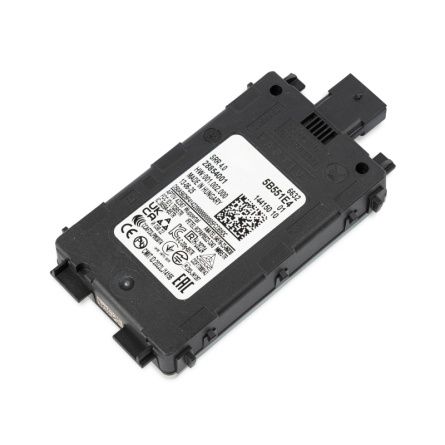
Blind spot sensor
BMW66325A5511$181.99 -
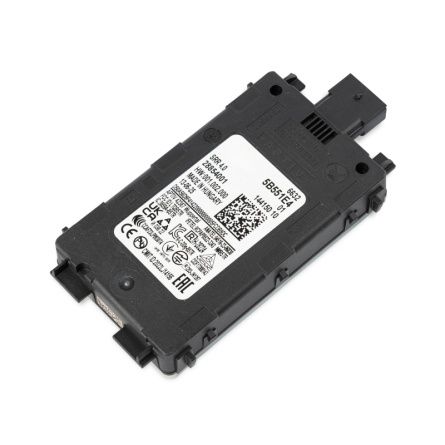
Blind spot sensor
BMW66325A4DAA4$181.99 -
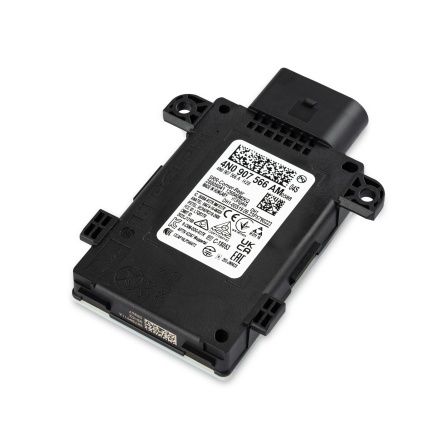
Radar Sensor
PorschePAA907566E$181.99 -
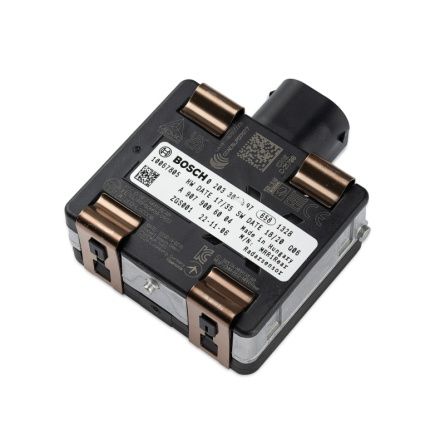
Radar Sensor
MercedesA9079006004$163.79 -
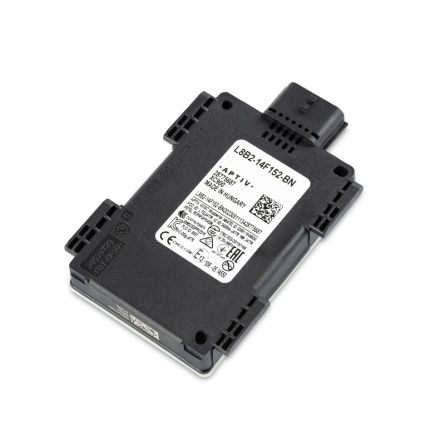
Radar Sensor
Land RoverL8B2-14F152-BK$181.99 -
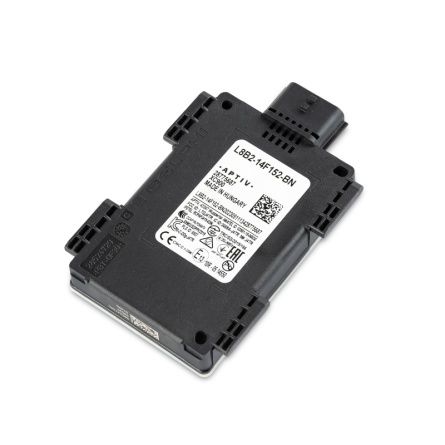
Radar Sensor
Land RoverL8B2-14F152-BM$181.99 -
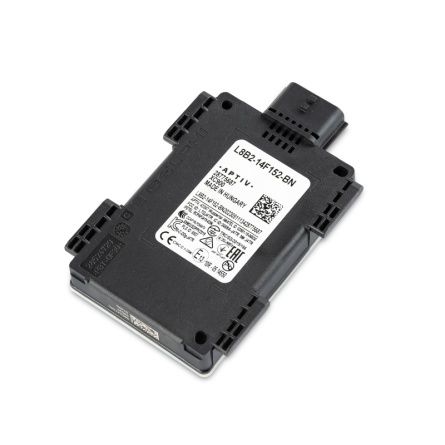
Radar Sensor
Land RoverL8B2-14F152-BP$181.99 -
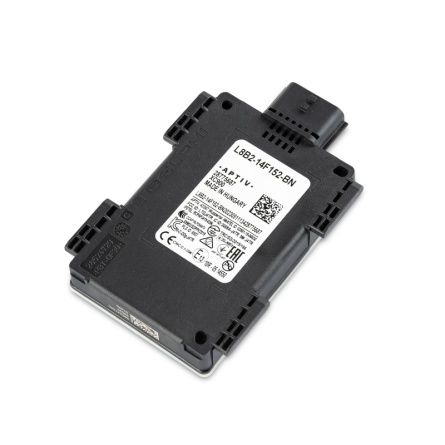
Radar Sensor
Land RoverLR129341$181.99
Blind spot sensors
In today’s fast-paced driving environment, where every second counts and visibility can change in an instant, blind spot sensors have become a game-changing innovation in automotive safety. These intelligent systems act as an extra set of eyes, constantly monitoring the areas drivers can’t easily see — the hidden zones that often lead to dangerous lane changes or side collisions. By detecting nearby vehicles and alerting the driver before a potential accident occurs, blind spot sensors dramatically enhance both awareness and confidence behind the wheel. What was once a luxury feature reserved for premium cars has now become an essential safety component, helping make everyday driving smoother, safer, and more controlled than ever before.
Understanding Blind Spot Monitor Sensors
A blind spot monitor sensor is an advanced driver-assistance device designed to detect vehicles or objects located in the areas just outside a driver’s direct line of sight — commonly known as blind spots. These zones, typically along the rear sides of a vehicle, can easily conceal cars, motorcycles, or cyclists, making lane changes and merging maneuvers particularly risky. The system works using a combination of radar sensors, ultrasonic sensors, or cameras strategically mounted on the sides or rear bumper of the vehicle. When an object enters the monitored area, the system alerts the driver through visual or audible warnings. In advanced models, the blind spot monitor sensor can integrate with steering or braking assistance, automatically correcting the vehicle’s path to prevent a collision.
Benefits of Lane Change Assist Sensors
A lane change assist sensor provides drivers with real-time awareness and support during one of the most common — and potentially dangerous — driving maneuvers: changing lanes. By combining radar, camera, and ultrasonic technologies, it continuously monitors adjacent lanes and detects vehicles approaching from behind or positioned in the driver’s blind spot. The lane change assist sensor issues a visual or audible warning if a vehicle is detected, and in some vehicles, it can even intervene automatically by adjusting steering or braking. This system helps prevent collisions, especially in high-speed or multi-lane traffic, while also improving driver confidence in low-visibility conditions such as at night or during heavy rain.
Comparing Different Types of Blind Spot Sensors
Modern vehicles use various blind spot sensors to enhance driver awareness and prevent accidents caused by vehicles hidden in hard-to-see areas. Radar-based systems are the most common and reliable, performing well in all weather conditions and offering long detection ranges. Ultrasonic sensors are best suited for urban driving at low speeds and are cost-effective, though less precise at highway speeds. Camera-based systems rely on visual data and can recognize object types, providing valuable feedback on displays but requiring clean lenses and good lighting. LiDAR sensors are rare yet extremely precise, used mainly in premium or semi-autonomous cars. The most advanced systems combine radar, camera, and ultrasonic technologies, achieving high reliability and accuracy under all conditions.
Choosing the Right Blind Spot Sensor for Your Vehicle
Selecting the ideal blind spot sensor depends on vehicle type, budget, and safety expectations. Compact city cars benefit from ultrasonic sensors due to their affordability and easy installation. Mid-size sedans and crossovers perform best with radar-based sensors, which balance cost and precision while integrating with systems like Lane Change Assist. Luxury vehicles achieve maximum protection through hybrid or fusion systems combining radar and camera data for 360-degree awareness. For commercial fleets, durable radar or wide-angle camera setups ensure reliable detection around large vehicles. Verifying compatibility, proper calibration, and budget considerations are crucial steps to ensure the chosen system performs accurately and enhances safety on every journey.