
ACC radar sensors
-
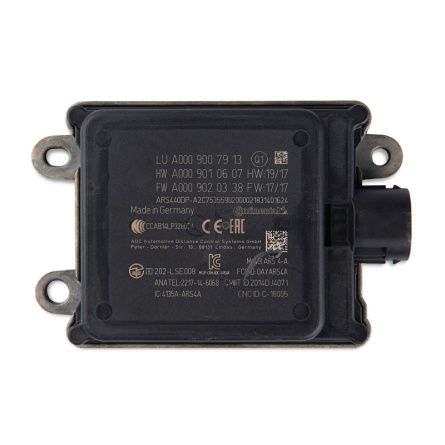
Radar Sensor
MercedesA2909003700$272.99 -
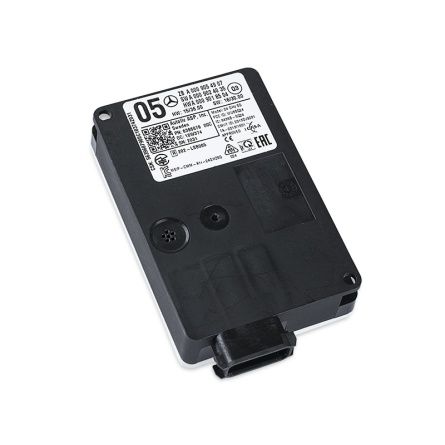
Radar Sensor
MercedesA0009054907$500.49 -
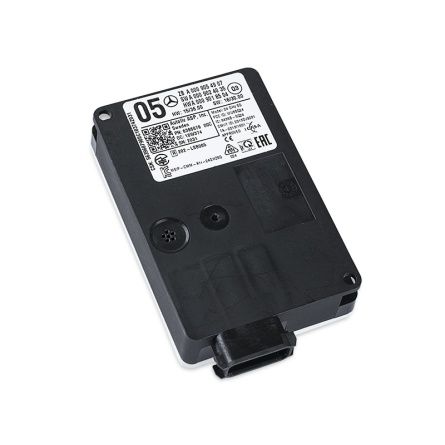
Radar Sensor
MercedesA0009058406$500.49 -
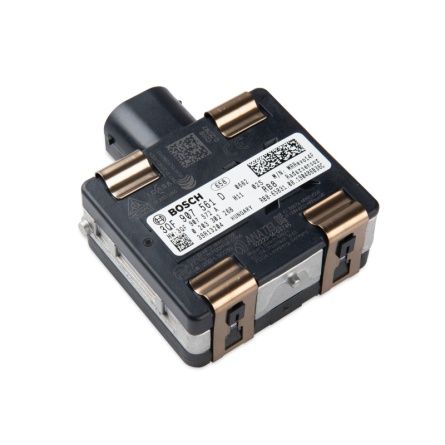
Radar Sensor
Volkswagen3QF907561D$172.89 -
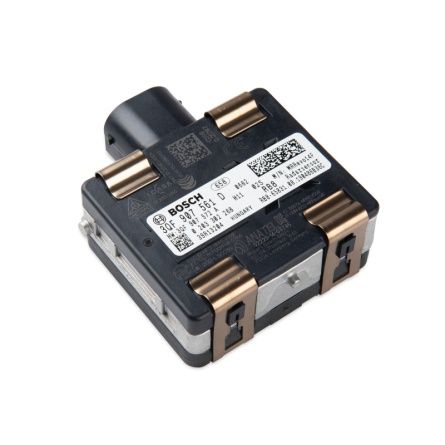
Radar Sensor
Volkswagen3Q0907561D$172.89 -
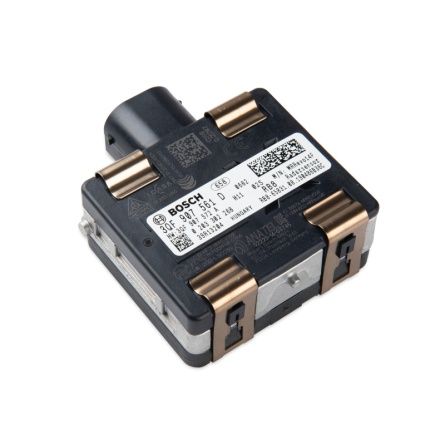
Radar Sensor
Volkswagen3Q0907561E$172.89 -
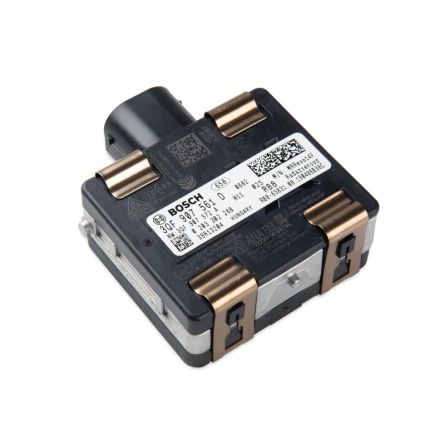
Radar Sensor
Volkswagen3Q0907561C$172.89 -
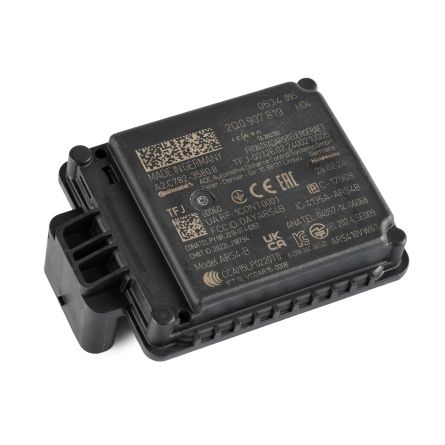
Radar Sensor
Volkswagen2Q0907550B$145.59 -
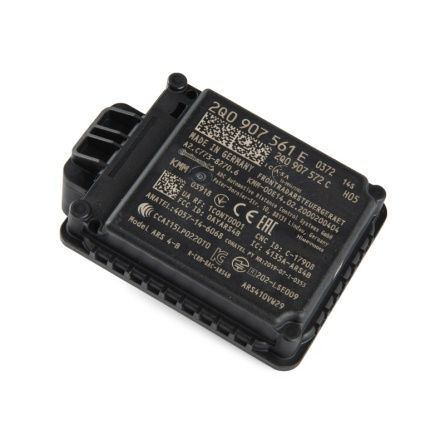
Radar Sensor
Volkswagen2Q0907561E$227.49 -
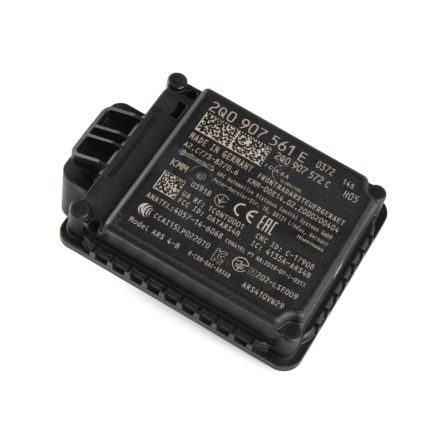
Radar Sensor
Volkswagen2Q0907561N$227.49 -
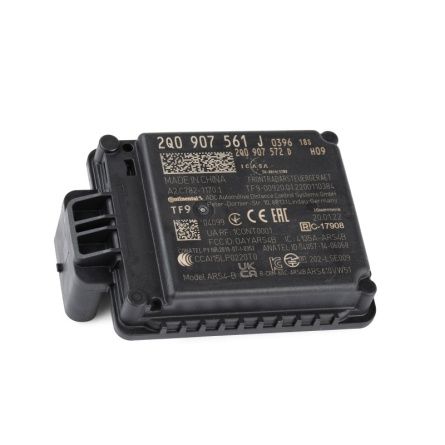
Radar Sensor
Volkswagen2Q0907561J$163.79 -
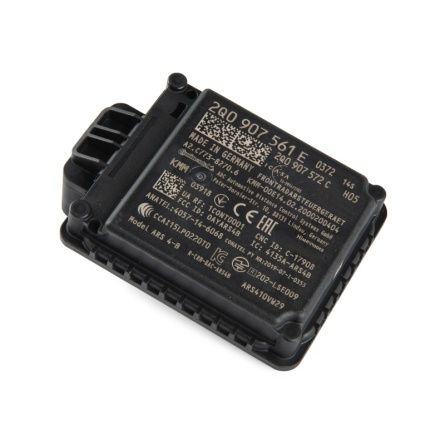
Radar Sensor
Volkswagen2Q0907561M$227.49 -
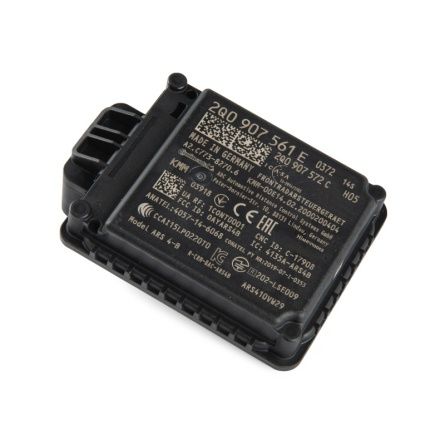
Radar Sensor
Volkswagen2Q0907561G$227.49 -
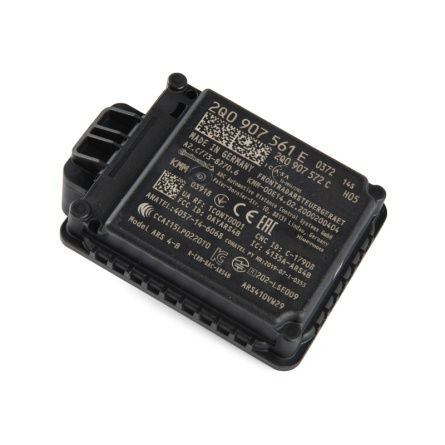
Radar Sensor
Volkswagen2Q0907561P$227.49 -
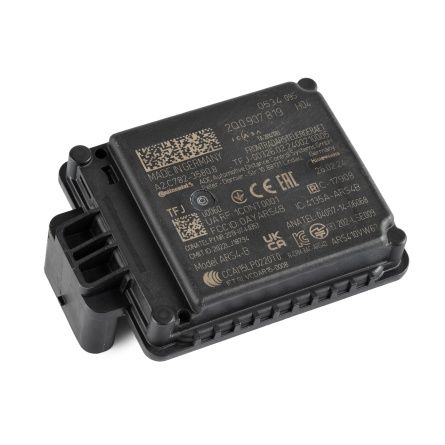
Radar Sensor
Volkswagen2Q0907550A$145.59 -
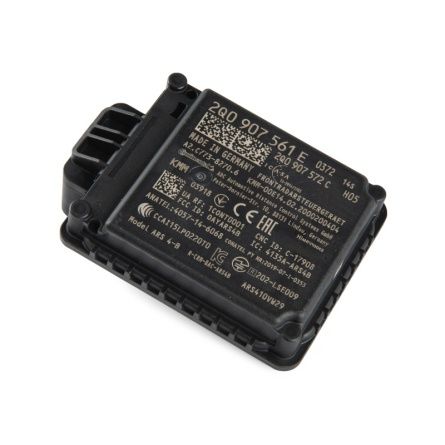
Radar Sensor
Volkswagen2Q0907561C$227.49 -
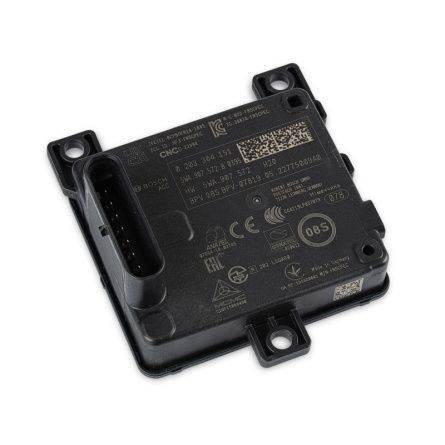
Radar Sensor
Volkswagen5WA907572B$154.69 -
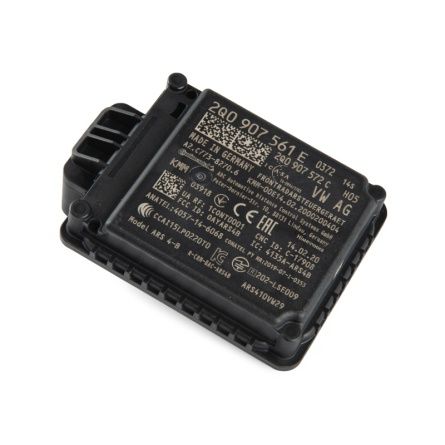
Radar Sensor
MAN65.25805-7009$227.49 -
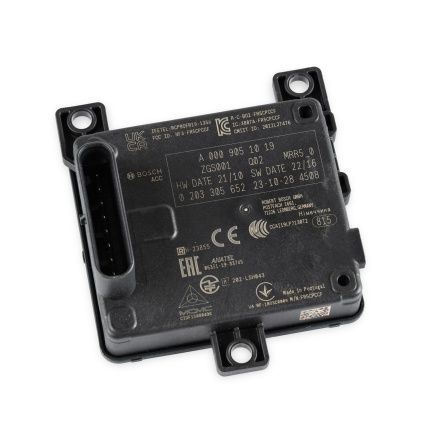
Radar Sensor
MercedesA0009051019$227.49 -
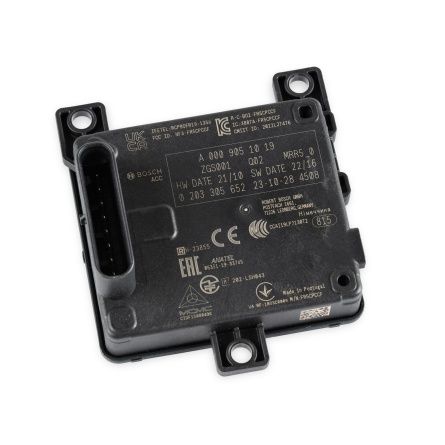
Radar Sensor
MercedesA0009052017$227.49 -
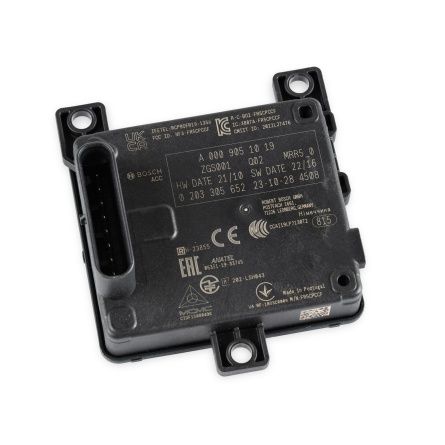
Radar Sensor
MercedesA0009055518$227.49 -
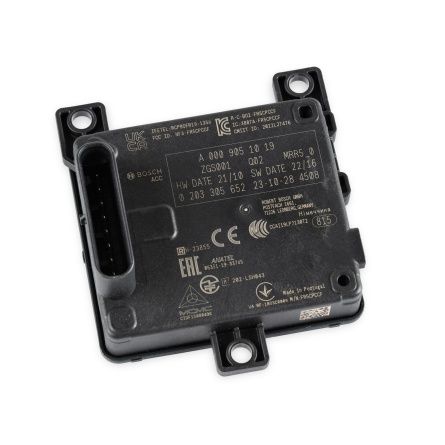
Radar Sensor
MercedesA0009006647$227.49 -
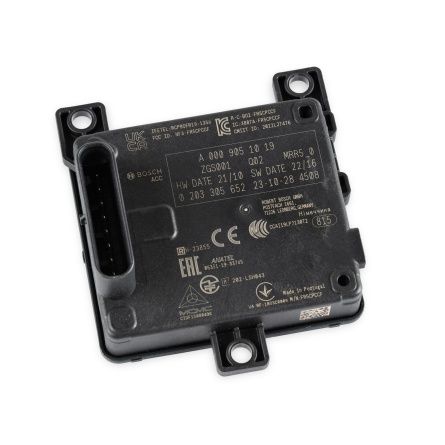
Radar Sensor
MercedesA0009052516$227.49 -
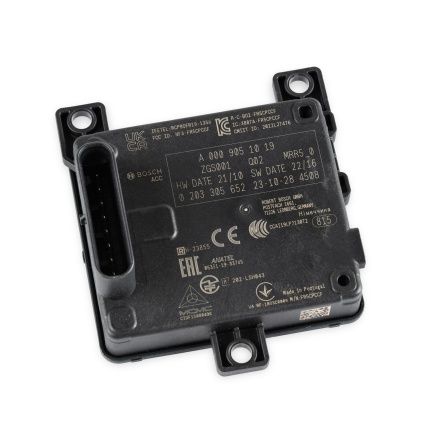
Radar Sensor
MercedesA0009059515$227.49 -
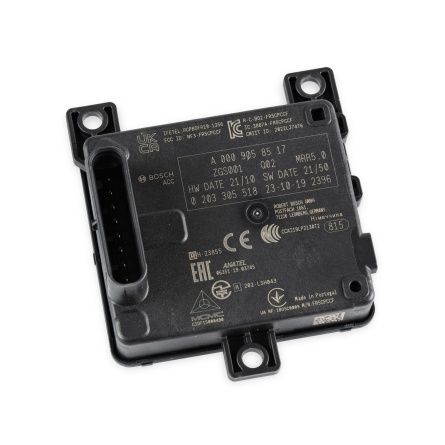
Radar Sensor
MercedesA0009058517$227.49 -
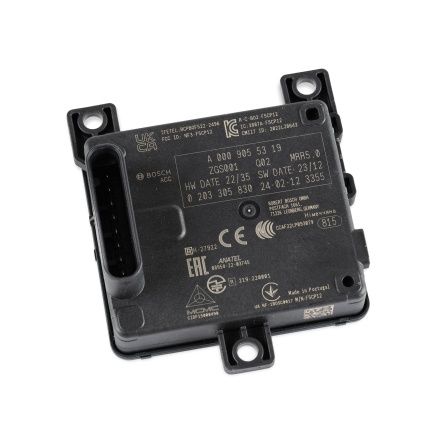
Radar Sensor
MercedesA0009055319$227.49 -
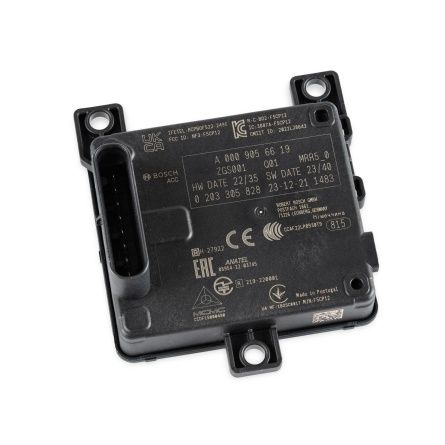
Radar Sensor
MercedesA0009056619$227.49 -
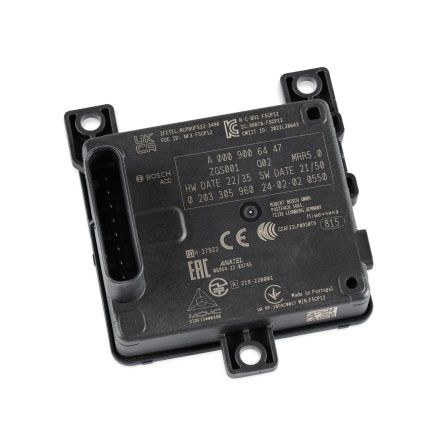
Radar Sensor
MercedesA0009006447$227.49 -
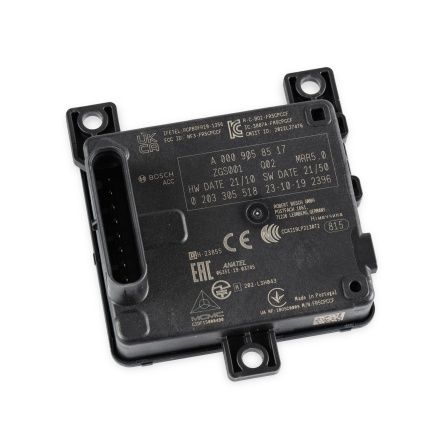
Radar Sensor
MercedesA0009056121$227.49
Front ACC radar sensors
In the era of intelligent and connected vehicles, front radar sensors ACC (Adaptive Cruise Control) stand as one of the most advanced technologies shaping the future of safe and comfortable driving. These highly sophisticated systems use precise radar signals to monitor traffic conditions ahead, automatically adjusting the vehicle’s speed to maintain a safe distance from other road users. Whether cruising on the highway or navigating through heavy city traffic, ACC radar sensors work silently and efficiently in the background — reducing driver fatigue, preventing collisions, and ensuring smoother, more relaxed journeys. Their integration marks a major leap in automotive innovation, blending cutting-edge safety with everyday driving convenience.
The Role of Front Radar Sensors in Adaptive Cruise Control
A front radar sensor is the core component of every Adaptive Cruise Control (ACC) system, providing the “eyes” that allow a vehicle to sense and respond to its surroundings in real time. Mounted typically behind the front grille or bumper, this adaptive cruise control sensor emits high-frequency radar waves that continuously scan the area ahead. When the waves bounce back from objects — especially other vehicles — the system calculates their distance, speed, and relative movement. Based on this data, the ACC system automatically adjusts the vehicle’s speed to maintain a safe following distance from the car in front. If the leading vehicle slows down, the system gently reduces throttle or even applies the brakes to match the flow of traffic. Once the road clears, it accelerates back to the preset cruising speed. This seamless regulation not only minimizes the risk of rear-end collisions but also makes driving smoother, safer, and far less tiring — particularly on long highway journeys or in stop-and-go traffic. In essence, the front radar sensor transforms traditional cruise control into a smart, proactive driving assistant that enhances both safety and comfort.
Enhancing Safety with Collision Avoidance Sensors
A collision avoidance sensor, including advanced front radar sensors, is among the most crucial safety technologies in today’s vehicles. Its primary purpose is to prevent accidents by detecting obstacles, pedestrians, or other vehicles and responding faster than a human driver ever could. Using a combination of radar, ultrasonic, and camera-based systems, it continuously monitors the vehicle’s surroundings, scanning the road ahead with remarkable precision. When the system detects a potential collision, it instantly evaluates the situation — calculating the distance, relative speed, and trajectory of the object in front. If a risk is confirmed, the vehicle issues visual and audible warnings to alert the driver. However, if the driver fails to react in time, the collision avoidance sensor can automatically intervene by applying partial or full braking to reduce impact severity or even completely avoid the collision. In more advanced systems, these sensors can also assist with steering corrections, gently guiding the vehicle back into its lane or around an obstacle when necessary. By combining rapid data processing with intelligent control over braking and steering, this technology — particularly when powered by a front radar sensor — represents a vital layer of protection that actively works to prevent danger, making every journey significantly safer.
Comparing Front Radar Sensors to Other Vehicle Sensors
When comparing front radar sensors with other types of vehicle sensors — such as ultrasonic, infrared, or camera-based systems — their unique advantages in precision, range, and real-time responsiveness become clear. Each of these technologies contributes to overall vehicle safety, but radar sensors play a particularly critical role in dynamic, high-speed environments where quick and reliable detection is essential. The adaptive cruise control sensor uses electromagnetic waves to measure the distance and relative speed of objects, allowing it to operate effectively in nearly all weather and lighting conditions — including fog, heavy rain, or darkness. This makes it ideal for advanced driver-assistance systems (ADAS) such as Adaptive Cruise Control (ACC), Forward Collision Warning (FCW), and Automatic Emergency Braking (AEB). Unlike cameras, which can struggle with glare or poor visibility, radar maintains consistent accuracy regardless of external factors. By contrast, camera sensors excel in object recognition — identifying lane markings, pedestrians, and traffic signs — but depend heavily on lighting and image clarity. Ultrasonic sensors, on the other hand, are designed for short-range detection and are typically used in parking assistance systems, where slow speeds and close obstacles dominate. While these sensors are perfect for low-speed maneuvers, they lack the long-range precision required for highway safety systems. In essence, the front radar sensor stands out because it combines long-range detection, high-speed processing, and reliable performance in all weather conditions. Its ability to “see” through rain, fog, and dust makes it indispensable for proactive safety features — ensuring smoother, safer, and more adaptive driving in any situation.
Choosing the Right Front Radar Sensor for Your Vehicle
Selecting the most suitable front radar sensor for a specific vehicle model requires careful consideration of compatibility, performance, and technological sophistication. Because these sensors are deeply integrated into a car’s electronic architecture and driver-assistance systems, choosing the right one involves more than ensuring a physical fit—it means guaranteeing perfect communication with the vehicle’s control units and safety modules. Compatibility with the make, model, and production year of the vehicle is the most crucial factor. Modern cars rely on complex communication protocols such as CAN and LIN, and even minor differences between versions can lead to system errors or calibration issues. Before purchasing a new unit, it’s essential to verify the OEM part number or cross-reference it with the original manufacturer’s specifications. Selecting a sensor that matches the car’s ADAS configuration ensures that all features, including adaptive cruise control, collision avoidance, and lane assistance, function precisely as intended. Performance also plays a key role. Front radar sensors differ in range and field of view, determining how well they detect vehicles, pedestrians, and obstacles under various driving conditions. Mid-range sensors work best for compact cars and urban driving, while long-range radar units are ideal for larger vehicles such as sedans, SUVs, or trucks that operate at higher speeds. A reliable radar should provide consistent, accurate detection across multiple lanes, even in adverse weather conditions such as heavy rain or fog. When evaluating technology and integration, it’s important to choose sensors that support advanced ADAS features such as Forward Collision Warning (FCW), Automatic Emergency Braking (AEB), and Adaptive Cruise Control (ACC) with stop-and-go functionality. Some of the most advanced models combine radar with camera-based systems, merging radar precision with visual recognition to improve overall accuracy. Additionally, newer sensors may allow software updates or recalibration through over-the-air functions, ensuring that performance remains optimal over time. Finally, quality and calibration are critical for safety and reliability. It’s always best to select OEM or high-quality aftermarket sensors that meet or exceed the manufacturer’s original standards. After installation, professional calibration is required to align the sensor correctly, as even a small misalignment can cause false alerts or reduced detection accuracy.