
Airbag sensors
-

Air Bag Sensor
Volkswagen4M0959651$40.94 -

Air Bag Sensor
MercedesA2239052400$31.84 -
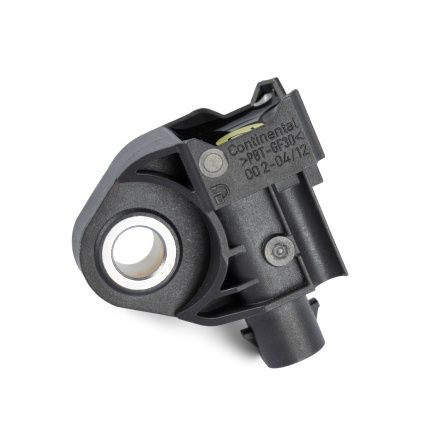
Air Bag Sensor
Volkswagen4N0959651D$45.49 -
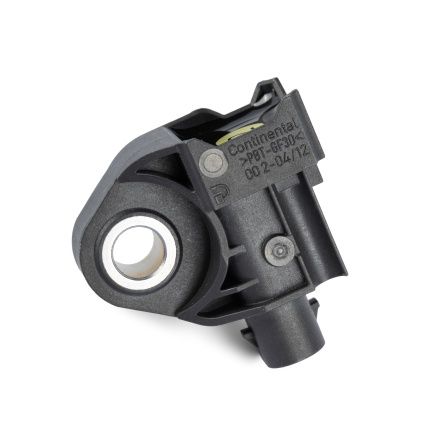
Air Bag Sensor
Porsche9A795965100$45.49 -
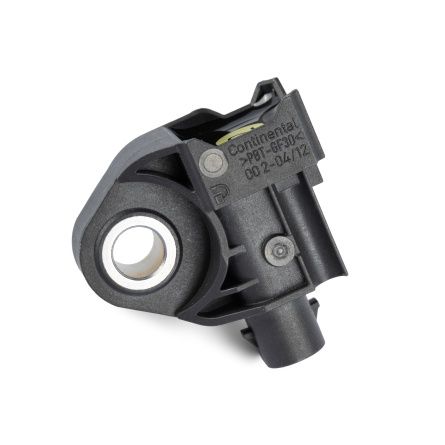
Air Bag Sensor
Volkswagen4N0959651F$45.49 -
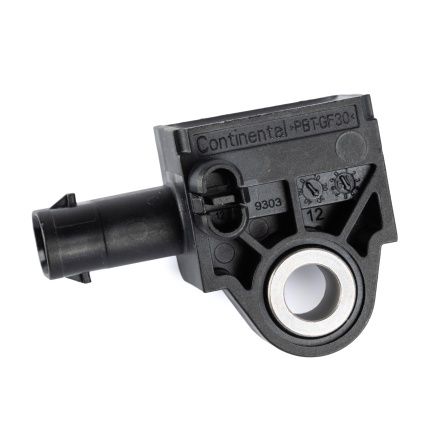
Air Bag Sensor
Volkswagen5WA959651A$40.94 -
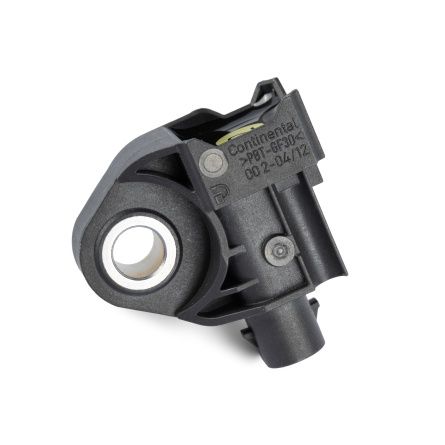
Air Bag Sensor
BMW65779496817$45.49 -
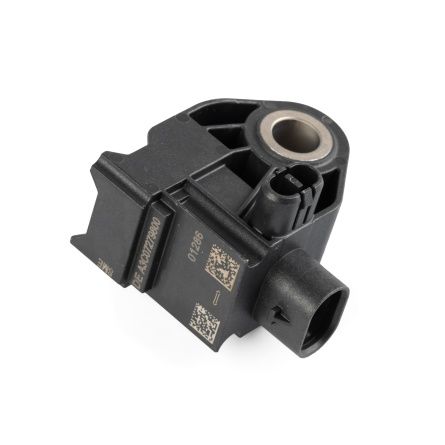
Air Bag Sensor
Porsche95C907651$54.59 -

Air Bag Sensor
MercedesA2229051400$45.49 -

Air Bag Sensor
MercedesA2139051300$45.49 -

Air Bag Sensor
Volkswagen3Q0959651A$31.84 -
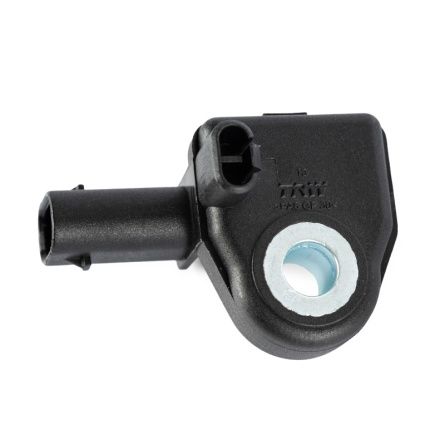
Air Bag Sensor
Volkswagen3Q0959651$31.84 -
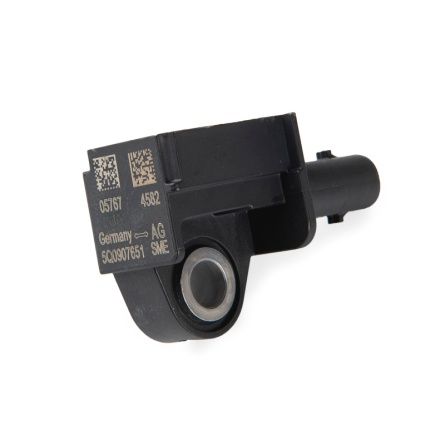
Accelerator Sensor
Volkswagen5Q0907651$36.39 -

Air Bag Sensor
FCA56038975A$31.84 -

Air Bag Sensor
FCA56038924A$31.84 -

Air Bag Sensor
FCA56038974A$31.84 -

Air Bag Sensor
FCA56038923AA$31.84 -

Air Bag Sensor
Fiat52004759$31.84 -

Air Bag Sensor
FCA56038975AA$31.84 -

Air Bag Sensor
FCA56038924AA$31.84 -

Air Bag Sensor
FCA56038974AA$31.84 -
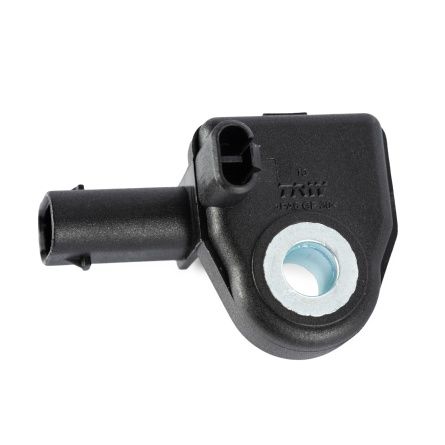
Accelerator Sensor
Volkswagen3Q0959351$27.29 -
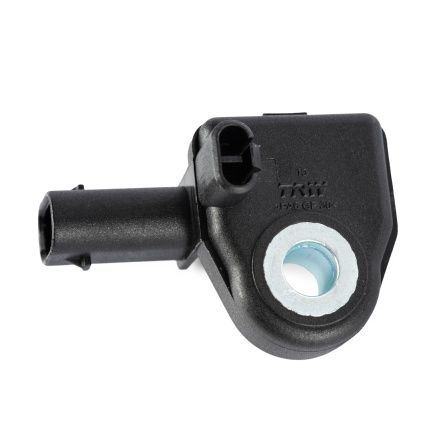
Accelerator Sensor
Volkswagen3Q0959351A$27.29 -
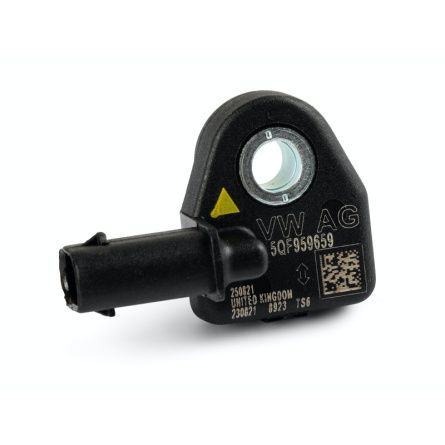
Air Bag Sensor
Hyundai95920-AA100$45.49 -

Airbag sensor
Hyundai95920-AA150$45.49 -
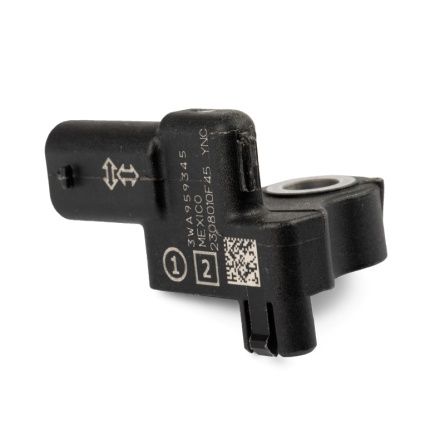
Acceleration, airbag, crash sensor
Volkswagen3WA959345$36.39 -
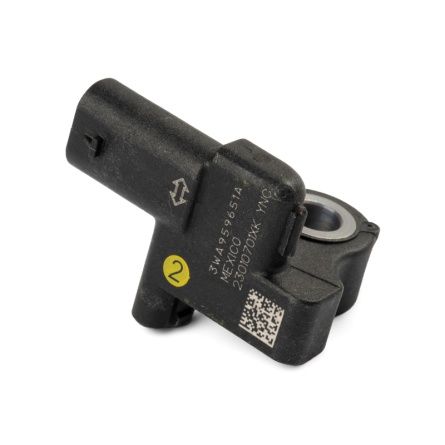
Acceleration, airbag, crash sensor
Volkswagen3WA959651A$36.39 -
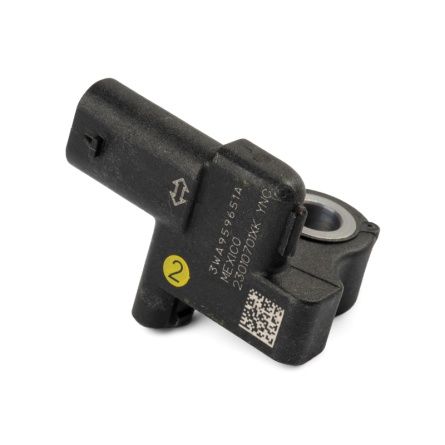
Acceleration, airbag, crash sensor
Volkswagen1EA959651$36.39 -
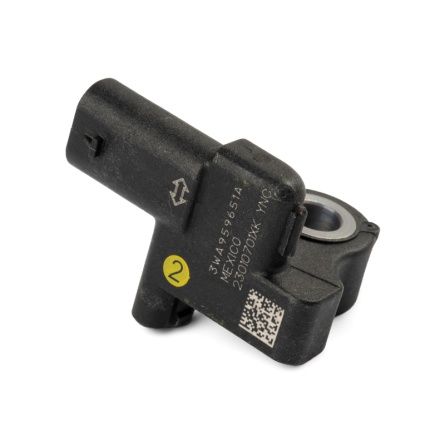
Acceleration, airbag, crash sensor
Volkswagen1EA959651C$36.39 -
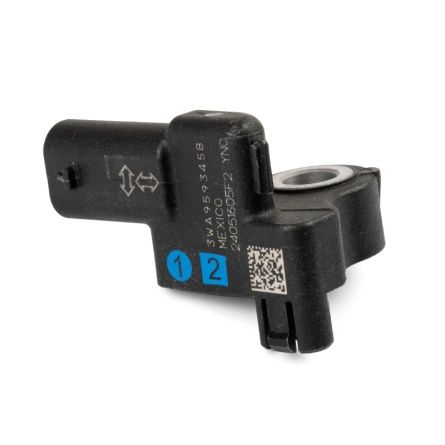
Acceleration, airbag, crash sensor
Volkswagen1EA959345B$36.39 -
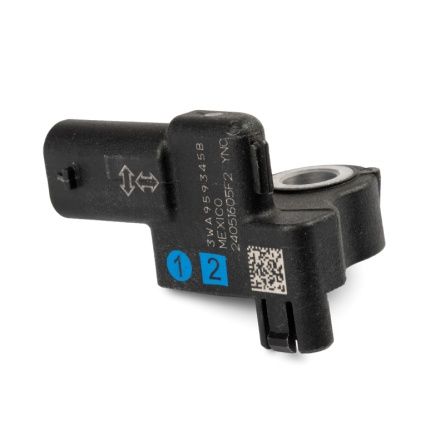
Acceleration, airbag, crash sensor
Volkswagen1EA959345E$36.39 -
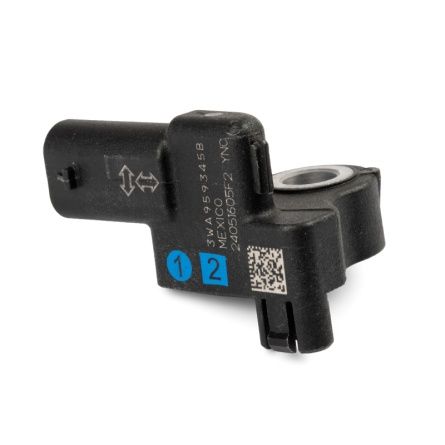
Acceleration, airbag, crash sensor
Volkswagen3WA959345B$36.39 -
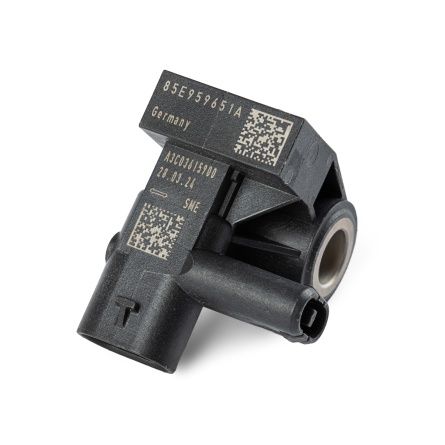
Airbag sensor
Volkswagen85E959651A$40.94 -
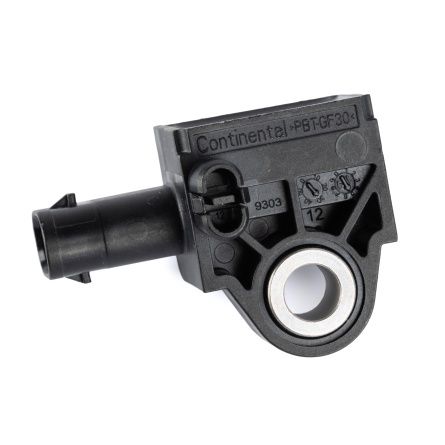
Air Bag Sensor
Volkswagen5Q0959651$54.59 -
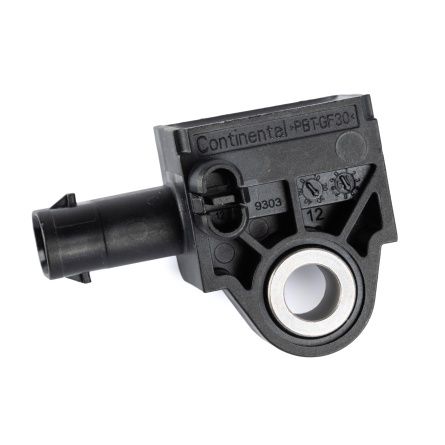
Air Bag Sensor
Volkswagen5Q0959651B$54.59 -
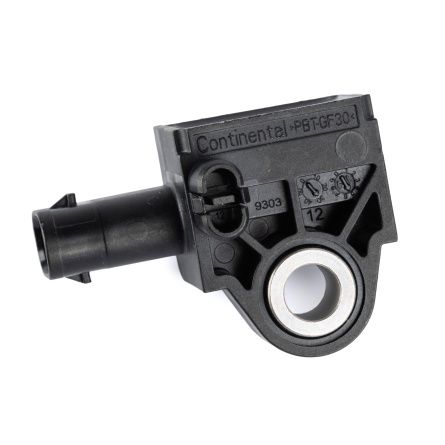
Air Bag Sensor
Volkswagen5WA959651$54.59
Airbag sensors
In the high-stakes world of automotive safety, few components are as critical — yet as often overlooked — as airbag sensors. These small, highly sensitive devices are the silent guardians that determine, within milliseconds, when to deploy an airbag and protect passengers from serious injury. Their precision can mean the difference between a minor incident and a life-threatening collision. As vehicles continue to evolve with smarter safety systems and advanced electronics, understanding how airbag sensors work — and why regular inspection and maintenance are essential — has never been more important. Before exploring their functionality and upkeep, it’s worth recognizing the vital role these sensors play in safeguarding every journey.
Understanding Airbag Sensors
The primary function of an airbag sensor is to detect sudden deceleration or impact forces during a collision and instantly trigger the deployment of the airbag system. These precision devices continuously monitor the vehicle’s motion through accelerometers and pressure sensors, interpreting data in real time to determine whether an impact is severe enough to require airbag activation. When a crash occurs, the sensor sends an immediate signal to the airbag control module, which then ignites a small charge that rapidly inflates the airbag — all within milliseconds. By responding faster than any human reflex, airbag sensors play a crucial role in reducing the risk of serious injury. They ensure that airbags deploy only when necessary and at the right moment, cushioning occupants from hard surfaces like the steering wheel, dashboard, or side panels. Integrated into a broader network of vehicle safety systems — including seat belt pre-tensioners and crash detection modules — airbag sensors form the backbone of passive safety technology. Their precision and reliability help protect passengers in even the most severe collisions, turning complex engineering into life-saving performance.
Types of Airbag Sensors
Airbag sensors come in several specialized types, each playing a distinct role in detecting collisions and ensuring that airbags deploy at exactly the right moment. The most common is the car impact sensor, positioned at key points around the vehicle — such as the front, sides, and rear — to measure sudden deceleration or structural deformation during a crash. When an impact force exceeds a certain threshold, this sensor sends a signal to the airbag control unit, prompting immediate deployment of the airbags. Another essential type is the accelerometer sensor, which continuously measures changes in the vehicle’s speed and movement. It helps distinguish between normal driving conditions, like hard braking or hitting a bump, and an actual collision, preventing unnecessary airbag activation. Pressure sensors, often located in the doors or side panels, detect abrupt changes in air pressure caused by side impacts, allowing the system to respond with remarkable speed and precision. Some vehicles are also equipped with rollover sensors that monitor tilt and angular velocity to detect when a car is at risk of rolling over. These sensors trigger curtain or side airbags to shield occupants from roof and side impacts. Together, all these components — from the airbag sensor to the car impact sensor — form an integrated safety network that ensures airbags deploy only when necessary, providing maximum protection while maintaining the delicate balance between responsiveness and restraint.
When to Replace Your Airbag Sensor
Recognizing when an airbag sensor needs attention is essential to maintaining your vehicle’s safety system in proper working order. While these sensors are built to last for many years, exposure to moisture, vibration, or even a minor collision can cause them to malfunction. One of the most common warning signs that airbag sensor replacement may be necessary is the illumination of the airbag warning light on the dashboard. This light usually appears as a small icon of a seated person with a circle in front, indicating that the system has detected a fault and may not deploy correctly in the event of an accident. Another key indicator is when the airbag system becomes inactive or fails to arm after starting the vehicle. This can happen if the sensor loses communication with the airbag control module or if internal corrosion or wiring damage prevents proper signal transmission. In some cases, a malfunctioning sensor may also cause the airbag to deploy unexpectedly or fail to deploy entirely, posing a serious safety risk. Drivers may also notice error codes stored in the vehicle’s diagnostic system, which can be detected using an OBD-II scanner. These codes often point directly to a specific sensor or circuit fault. Physical signs, such as damage to the bumper, doors, or other areas where sensors are mounted, can also indicate the need for inspection or airbag sensor replacement. Because airbag systems are highly sensitive and directly connected to passenger safety, any warning light or irregular behavior should never be ignored. It’s essential to have the system checked by a qualified technician who can diagnose whether the airbag sensor, control module, or wiring harness needs replacement. Timely maintenance ensures that the entire safety system remains fully operational — ready to protect you and your passengers when it matters most.
Choosing the Right Airbag Sensor for Your Car
When selecting an airbag sensor, always start with the vehicle’s VIN. It identifies the exact trim level, number of airbags, model year, and any production changes before or after a facelift. This is the key to finding the correct OE part number. Check the precise OE reference and any superseded versions, since manufacturers often replace older part numbers with updated ones. Always choose the newest replacement number approved for your VIN. It’s also essential to consider the sensor’s location and function. A sensor on the bumper beam (front crash), in the door or pillar (side or pressure), or in the roll module (rollover) each has its own unique shape, bracket, and connector. The connector and pin layout must match exactly. The same sensor type may exist with different plug designs, so visual similarity alone isn’t enough. Compare the connector key, pin count, and clip orientation carefully. Make sure the sensor is compatible with your SRS or airbag control unit. Some require specific software or must be programmed after installation. Also, consider model year and regional differences, since European, UK, and US vehicles often use different components. OE or OEM sensors are always the best choice, ensuring high precision and reliability. Always buy from a trusted source and avoid used sensors from crashed vehicles. After an accident, follow manufacturer recommendations, as many sensors and components are single-use. Reading fault codes, verifying part numbers, and performing calibration when necessary all help ensure proper airbag sensor replacement. By maintaining quality and compatibility, you ensure that your airbag sensors perform flawlessly, offering maximum safety and confidence on every drive.