
Lighting
-
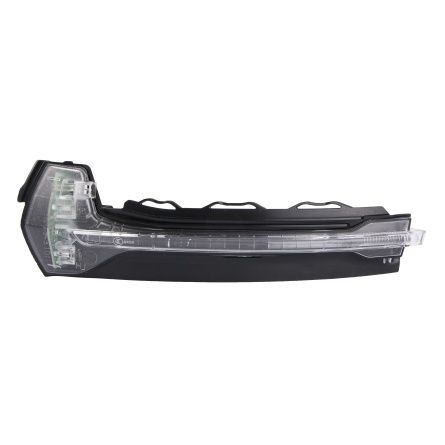
Mirror indicator, left
Audi8V0949101C$27.29 -
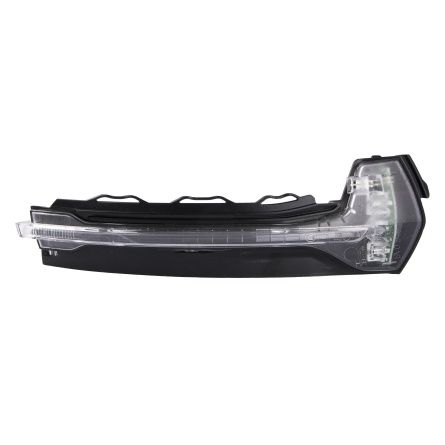
Mirror indicator, right
Audi8V0949102A$27.29 -
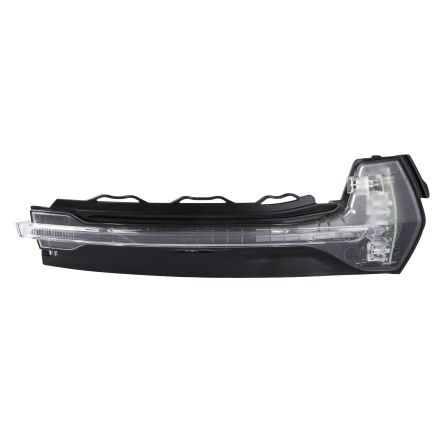
Mirror indicator, right
Audi8V0949102B$27.29 -
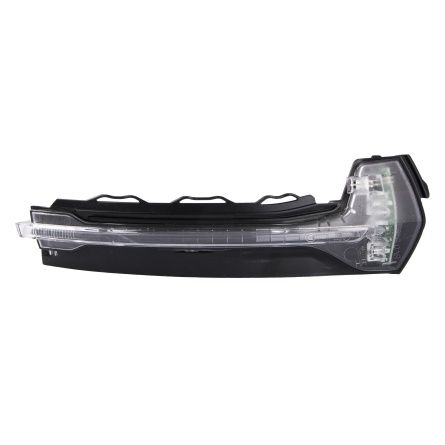
Mirror indicator, right
Audi8V0949102C$27.29 -
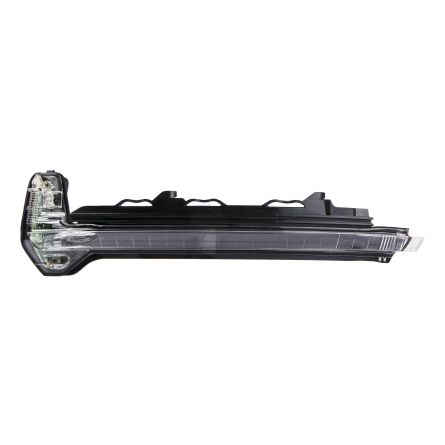
Mirror indicator, left
Audi8S0949101A$31.84 -
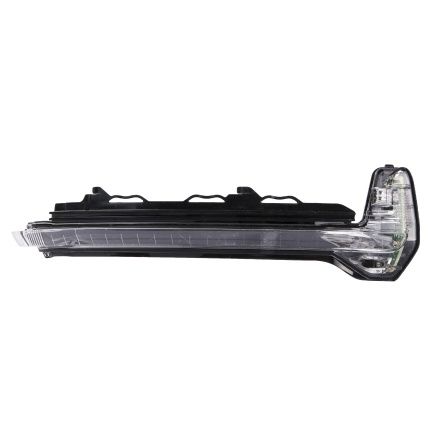
Mirror indicator, right
Audi8S0949102A$36.39 -
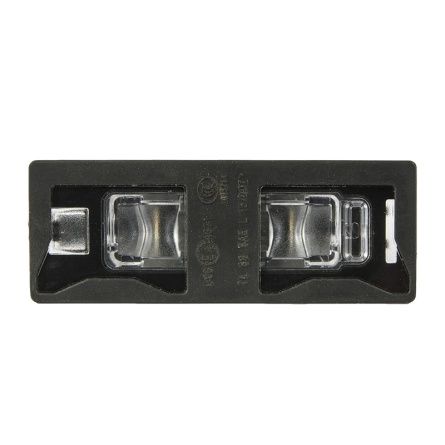
License plate light
Audi8W6943021$13.64 -
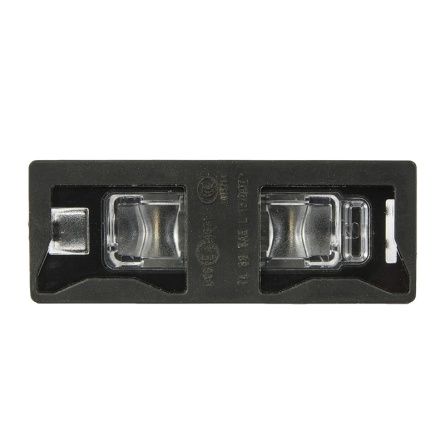
License plate light
Audi8W6943021A$13.64 -
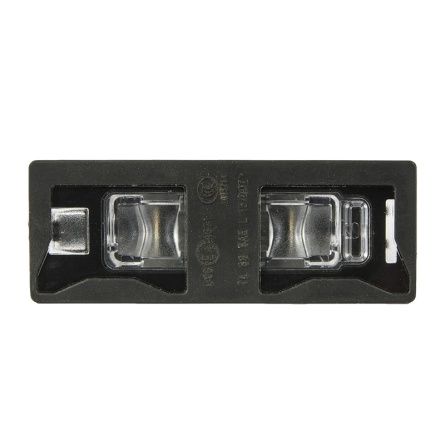
License plate light
Audi8W6943021B$13.64 -
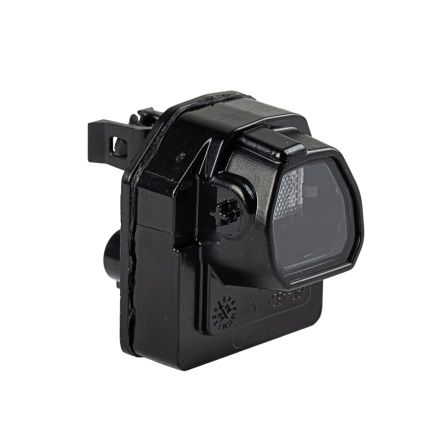
Light module for light carpet
BMW63145A04415$100.09 -
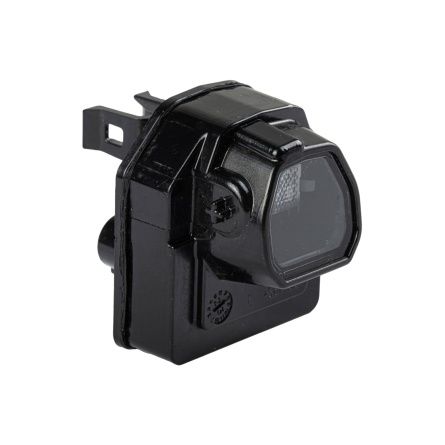
Light module for light carpet
BMW63145A04416$100.09 -
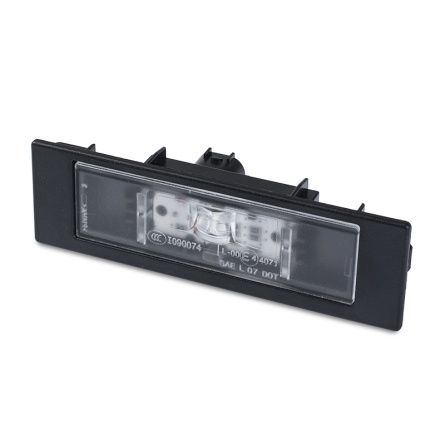
License plate light
BMW63267193294$18.19 -
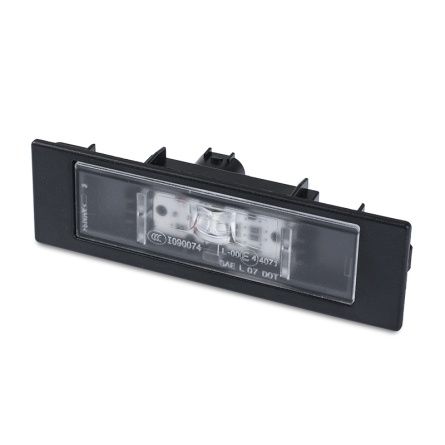
License plate light
BMW7193294$18.19 -
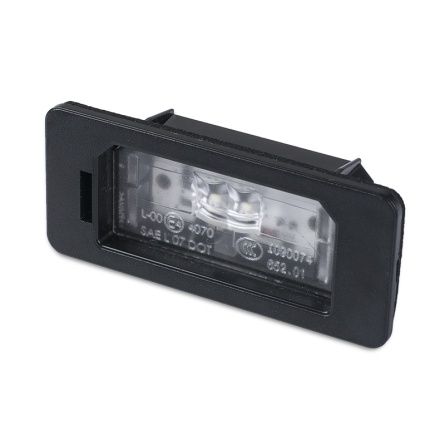
License plate light
BMW63267193293$18.19 -
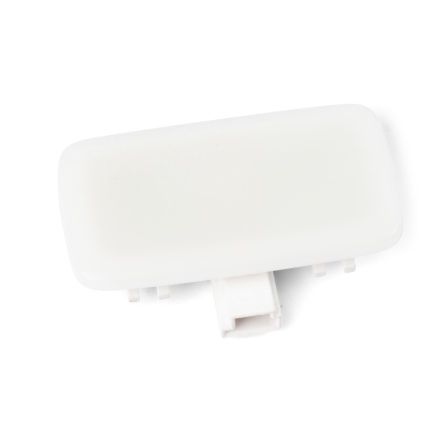
Interior lamp
BMW63315A42418$18.19 -
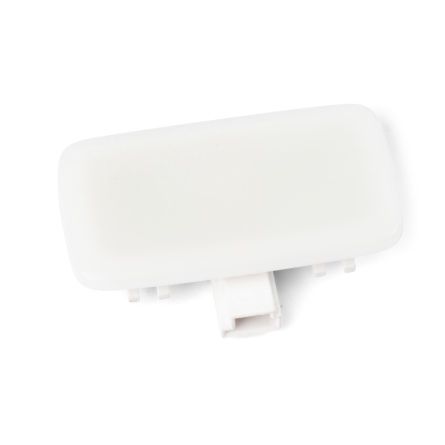
Interior lamp
BMW63319397852$18.19 -
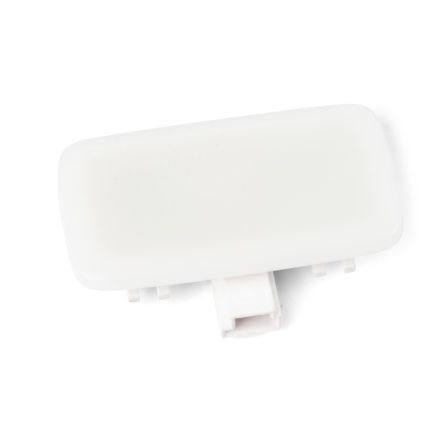
Interior lamp
BMW63319472764$18.19 -

License plate light
BMW63267410302$13.64 -

Interior lamp
BMW63319891435$22.74 -

Interior lamp
BMW6W989143503$22.74 -
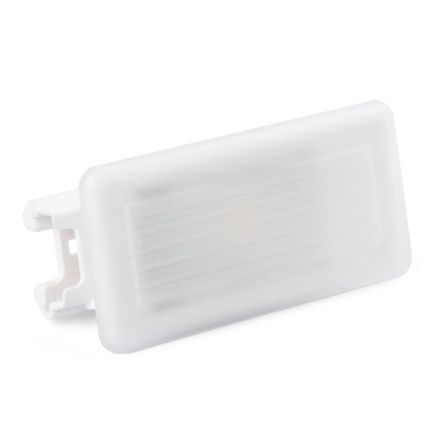
Interior lamp
BMW63315A42413$18.19 -
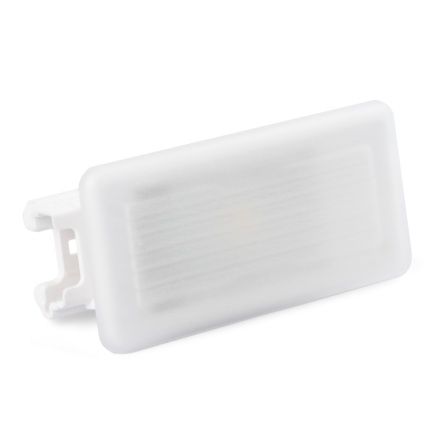
Interior lamp
BMW63319472762$18.19 -
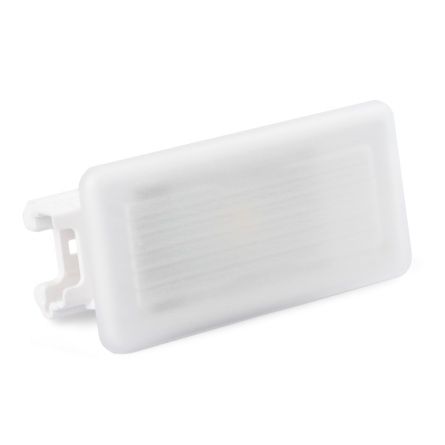
Interior lamp
BMW6W947276302$18.19 -
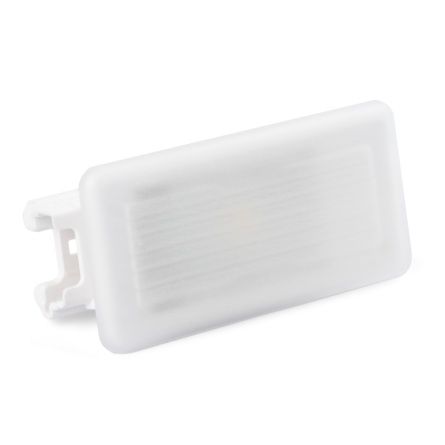
Interior lamp
BMW6W947276202$18.19 -
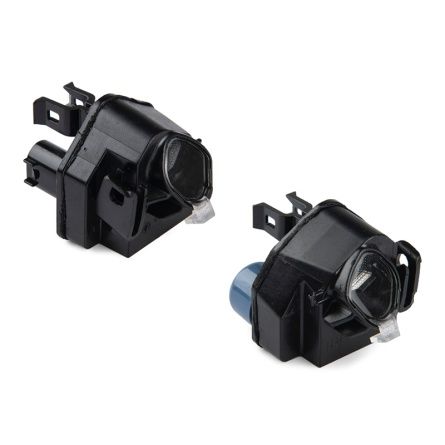
Light module for light carpet
BMW63147370180/63147370179$81.89 -
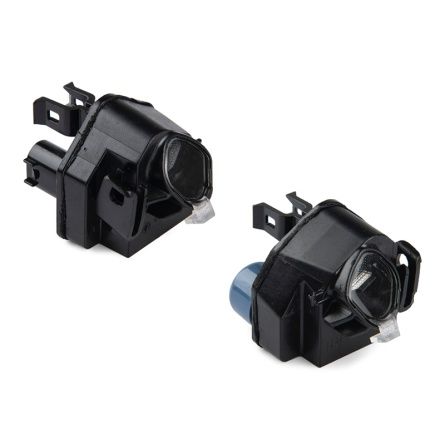
Light module for light carpet
BMW63177478448/63177478447$81.89 -
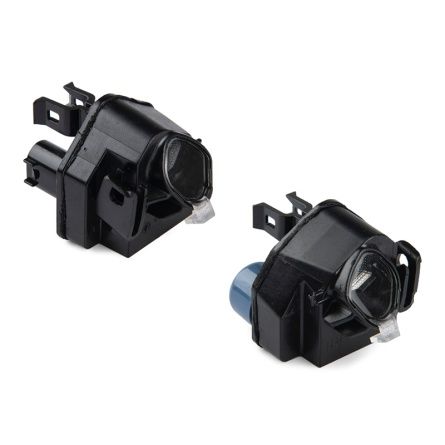
Light module for light carpet
BMW63147370179/63147370180$81.89 -
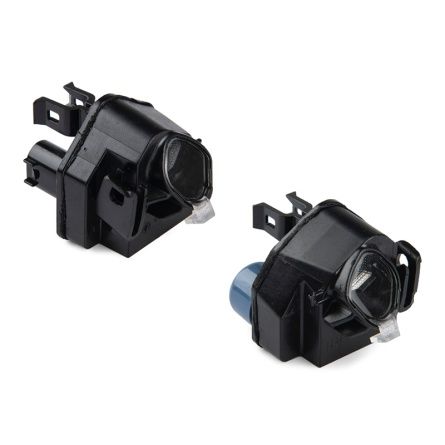
Light module for light carpet
BMW63177478447/63177478448$81.89 -
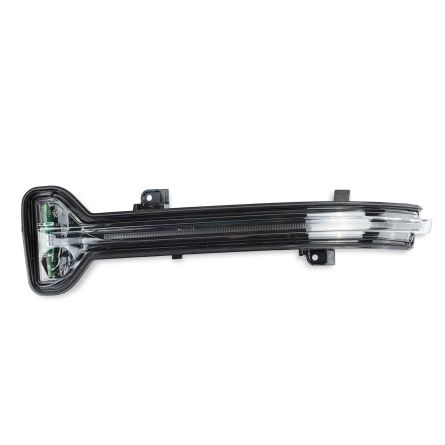
Mirror indicator, left
BMW63137498159$45.49 -
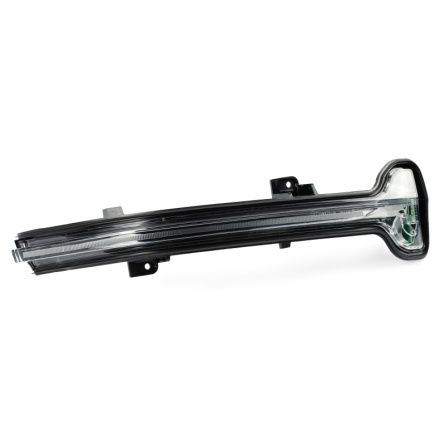
Mirror indicator, right
BMW63137498160$45.49 -
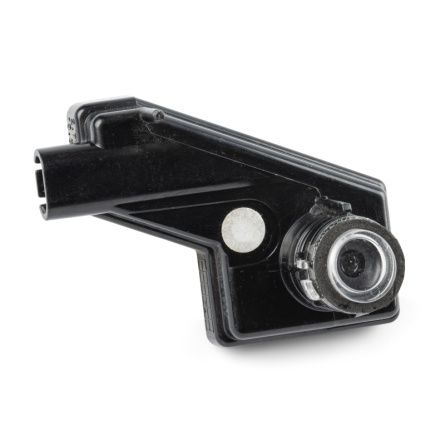
Puddle light
BMW63178497455$81.89 -
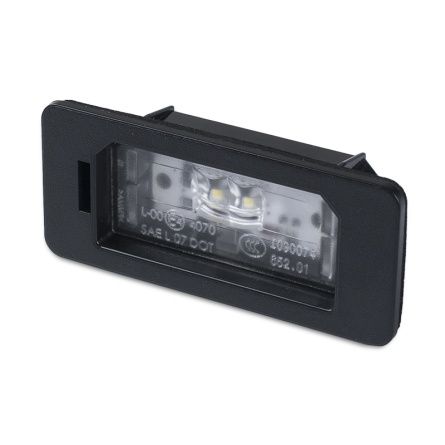
License plate light
BMW63269481842$13.64 -
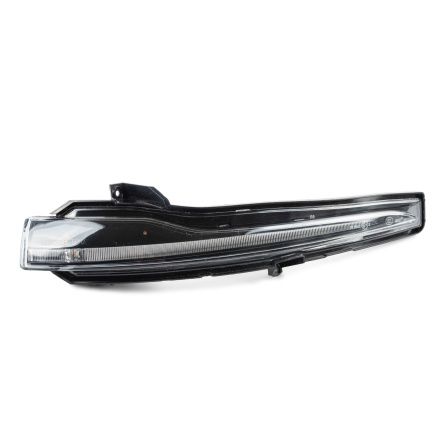
Mirror indicator, right
MercedesA0999064601$81.89 -
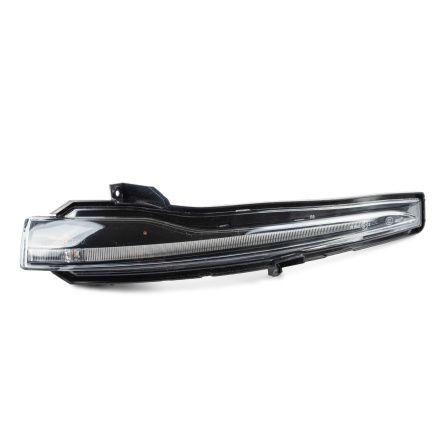
Mirror indicator, right
MercedesA0999060801$81.89 -
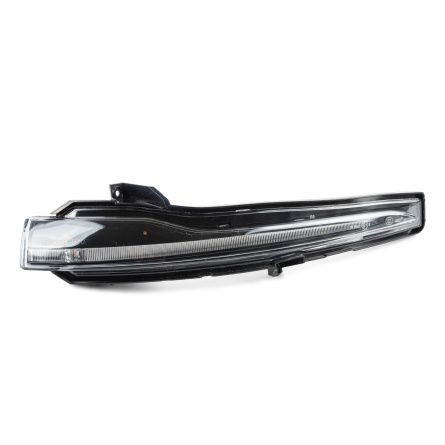
Mirror indicator, right
MercedesA0999067201$81.89 -
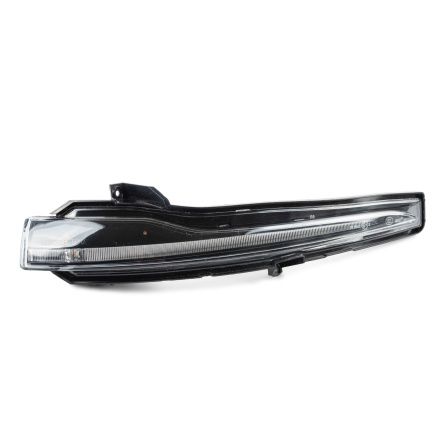
Mirror indicator, right
MercedesA0999064401$81.89
Lighting
Car lighting is far more than just a practical necessity – it is one of the most important pillars of road safety and visibility. Every beam of light, from powerful headlights cutting through the night to subtle signal indicators guiding other drivers, plays a decisive role in preventing accidents and ensuring smooth traffic flow. Proper lighting not only allows drivers to see the road ahead clearly but also makes their vehicles visible to others in all conditions, whether it’s dense fog, heavy rain, or a dark rural road. By combining functionality, safety, and innovation, automotive lighting has become an essential system that protects lives, enhances confidence behind the wheel, and shapes the driving experience itself.
Understanding Car Headlight Components
Modern car headlight components are made up of several carefully engineered elements, each designed to ensure maximum visibility and safety in different driving conditions. At the core lies the light source, which may be a traditional halogen bulb, a high-intensity discharge (HID) lamp, or increasingly, advanced LED and laser systems. These elements determine the brightness, efficiency, and longevity of the headlight. Surrounding the light source is the reflector or projector lens, which directs and shapes the beam pattern, preventing glare while illuminating the road evenly.
Another vital part is the housing and lens cover, built from durable materials to protect internal components from moisture, dust, and impact while maintaining clarity for consistent light output. Modern headlights also include control modules and sensors that adjust beam intensity or angle automatically, for example through adaptive systems that respond to steering input or approaching traffic. Finally, ventilation and sealing systems help prevent condensation and overheating, ensuring reliability over time. Together, these car headlight components transform headlights from simple illumination devices into sophisticated safety systems. By combining powerful light sources, precise optics, and intelligent electronics, they provide drivers with clear vision while reducing the risk of dazzling others—making them a cornerstone of modern vehicle safety.
Innovations in Advanced Automotive Lighting
In recent years, advanced automotive lighting technology has undergone a remarkable transformation, turning headlights into intelligent safety systems rather than simple illumination tools. One of the most significant developments has been the introduction of matrix and pixel LED systems, which divide the light beam into dozens or even thousands of segments that can be individually controlled. This allows the driver to benefit from maximum road illumination while the system automatically dims portions of the beam to avoid blinding oncoming or preceding vehicles. High-definition matrix systems, such as those developed by premium manufacturers, now use micro-LED chips to achieve unprecedented precision, improving visibility in curves and uneven terrain while increasing overall energy efficiency.
Another step forward has been the application of laser and hybrid laser-LED headlights. While pure laser technology is expensive and complex, hybrid systems combine the immense brightness and long-range focus of lasers with the efficiency and adaptability of LEDs. This combination gives drivers extended visibility at high speeds while ensuring controlled and safe light distribution. At the same time, manufacturers continue to refine adaptive and dynamic lighting, where headlights respond directly to road conditions, steering input, weather, and traffic. Automatic high-beam switching, cornering lights, and even weather-sensitive adjustments are now common features, ensuring that lighting adapts in real time to the driver’s surroundings without requiring manual intervention.
The role of advanced automotive lighting is also expanding beyond visibility into communication. Some experimental systems project symbols or warnings directly onto the road surface, guiding drivers or alerting pedestrians and cyclists. Artificial intelligence is increasingly being integrated into lighting control, allowing headlights to recognize potential hazards such as pedestrians or animals and highlight them for the driver. In parallel, night-vision cameras and thermal imaging are being fused with lighting systems, enabling vehicles to detect obstacles well beyond the range of conventional beams and to direct focused light toward potential dangers. These innovations collectively redefine what headlights mean in modern vehicles. Instead of being passive elements, they are becoming active safety and communication systems that provide drivers with confidence, clarity, and control in all conditions.
Choosing the Right Lighting for Your Vehicle
When choosing the most suitable car lighting options, it is important to balance performance, energy efficiency, and compatibility with the vehicle’s design and electronics. Performance should always come first, as headlights and other lighting elements directly influence road safety. Drivers who often travel on dark rural roads or at high speeds will benefit from advanced solutions such as LED or matrix LED headlights, which provide stronger illumination, longer range, and more precise beam control compared to traditional halogen bulbs. For everyday city driving, halogen lamps may still be sufficient, but upgrading to LED offers not only clearer vision but also a more modern look.
Energy efficiency is another crucial factor. Modern LED and laser-assisted systems consume significantly less power while producing brighter and more stable light. This reduces strain on the vehicle’s electrical system and, in hybrid or electric cars, helps preserve driving range. LEDs also generate less heat and have a much longer lifespan, making them a cost-effective solution in the long run despite the higher initial investment. Compatibility must also be carefully considered. Not every vehicle is designed to support advanced lighting technologies, and retrofitting can sometimes cause problems with electronics, beam alignment, or even legal compliance. Before choosing an upgrade, it is essential to check whether the lighting option is approved for the specific vehicle model and whether it meets local road regulations. OEM-approved kits or high-quality aftermarket solutions from reputable brands are generally the safest choices.
Maintaining and Caring for Your Car's Lighting System
Proper maintenance of a vehicle’s lighting system is essential for ensuring both long service life and consistent performance. The first step is routine inspection: headlights, taillights, indicators, and interior lamps should be checked regularly to confirm that they are functioning correctly and that there are no signs of dimming, flickering, or complete failure. Even small irregularities can compromise visibility and safety, so it is advisable to replace faulty bulbs or LED units promptly. Cleaning plays an equally important role. Over time, headlight covers and lenses accumulate dust, road debris, insects, and other contaminants that reduce light output. A simple wash with mild car shampoo during regular cleaning is often sufficient, but for deeper maintenance, specialized plastic or glass cleaners should be used. If lenses become cloudy or yellowed due to UV exposure, a headlight restoration kit can help polish and seal the surface, restoring clarity and brightness.
Routine electrical checks should not be overlooked. Corroded connectors, loose wiring, or damaged seals can cause moisture intrusion, leading to condensation inside the headlight housing and shortening the lifespan of bulbs or LED modules. Ensuring that seals and gaskets remain intact will protect sensitive electronics from water and dirt. In modern cars equipped with adaptive or matrix lighting, it is also recommended to schedule periodic diagnostic scans, as these systems rely on sensors and control modules that may require software updates or recalibration. Finally, aiming and alignment should be checked at least once a year, or after replacing bulbs and major components. Misaligned headlights not only reduce visibility but can also dazzle oncoming drivers, creating a safety risk. Professional adjustment at a workshop ensures the beam is correctly positioned for maximum efficiency. By combining regular cleaning, inspection, and technical checks, drivers can extend the lifespan of their lighting systems, maintain strong illumination, and enjoy the safety and comfort that modern automotive lighting is designed to deliver.