
Fog lights
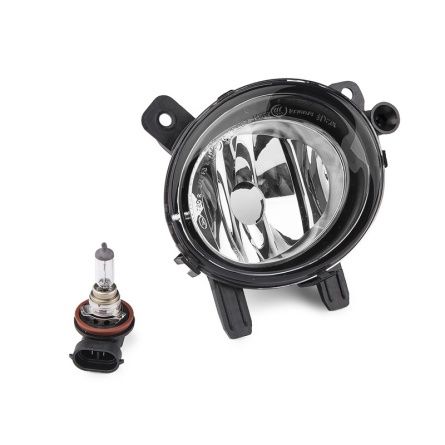
Fog lights
In the ever-changing world of driving conditions, fog lights play a crucial role in keeping drivers safe and confident on the road. When dense fog, heavy rain, or snow reduces visibility, these specialized lights cut through the haze to illuminate what standard headlights can’t reach. By enhancing clarity close to the road surface and making vehicles more visible to others, fog lights significantly reduce the risk of accidents in poor weather. As modern automotive technology continues to evolve, these lighting systems have become more advanced, stylish, and efficient—offering not just safety, but also a touch of sophistication to vehicle design. Understanding the different types and functions of fog lights is essential for any driver who values both performance and protection in challenging conditions.
Understanding Fog Light Assemblies
A fog light assembly is a specialized lighting unit designed to improve visibility and enhance safety during foggy, rainy, or snowy conditions—when standard headlights often struggle to cut through the haze. Mounted low on the front or rear of the vehicle, it projects a wide, flat beam of light that stays close to the road surface, reducing glare and reflection that can blind the driver in dense fog. This unique beam pattern allows the driver to see lane markings, obstacles, and other vehicles more clearly, ensuring safer navigation in poor weather.
A typical fog light assembly consists of several key components working together for maximum effectiveness. These include the housing, which protects the internal parts from moisture and debris; the lens, which shapes and directs the beam; the reflector, which distributes light evenly; and the bulb or LED module, which provides the actual illumination. Modern assemblies may also include features like automatic activation through weather sensors, durable polycarbonate lenses, or integrated daytime running light functions.
Choosing the right component is essential for achieving optimal performance and maintaining vehicle safety standards. Each vehicle model may require a specific shape, mounting position, or connector type to ensure a perfect fit and proper function with the vehicle’s electrical and lighting systems. Installing an incorrect or low-quality product can lead to poor light distribution, glare, or even malfunction under harsh weather conditions. That’s why it’s always important to select parts that match the manufacturer’s specifications—guaranteeing not only reliable visibility but also the overall harmony of design and safety in every drive.
Benefits of OEM Fog Lights
OEM fog lights—Original Equipment Manufacturer components—offer a range of advantages that make them the preferred choice for drivers who value quality, reliability, and perfect fitment. Designed and produced by the same manufacturers that supply automakers, OEM fog lights are engineered to meet the exact specifications of each vehicle model. This ensures seamless compatibility with the car’s electrical systems, precise alignment with the bumper or grille, and optimal light performance in all driving conditions.
One of the main benefits of these lights is their guaranteed quality and durability. Every OEM unit undergoes rigorous testing to meet factory safety and performance standards, including resistance to vibration, temperature extremes, and moisture. This means drivers can count on consistent illumination and dependable operation even in the harshest weather. Unlike some aftermarket alternatives, they are made from premium materials such as impact-resistant lenses and corrosion-proof housings, ensuring long service life and minimal maintenance.
Reliability is another key advantage. OEM fog lights integrate perfectly with vehicle control modules and sensors, maintaining full functionality of advanced features like automatic light adjustment or adaptive lighting systems. In contrast, many aftermarket options may require modifications, lack proper sealing, or deliver inconsistent beam patterns that can reduce visibility or cause glare.
How to Choose the Right Fog Lights for Your Vehicle
When selecting fog lights for your vehicle, it’s important to consider factors such as model compatibility, typical driving conditions, and personal design preferences. Always start with your vehicle’s exact make and year to ensure the perfect fit and safe electrical connection. For those who drive frequently in rain, snow, or mist, LED versions provide brighter output and greater energy efficiency. During installation, align the lights carefully so they illuminate the road directly ahead without dazzling other drivers. To extend service life, clean lenses regularly, inspect seals for cracks, and check electrical connectors for corrosion.
Installation and Maintenance Tips for Fog Lights
With proper installation, maintenance, and selection, the right fog lights will deliver reliable illumination, enhance your safety, and maintain your vehicle’s elegant appearance even in the most demanding weather conditions.