
Fuel delivery
-
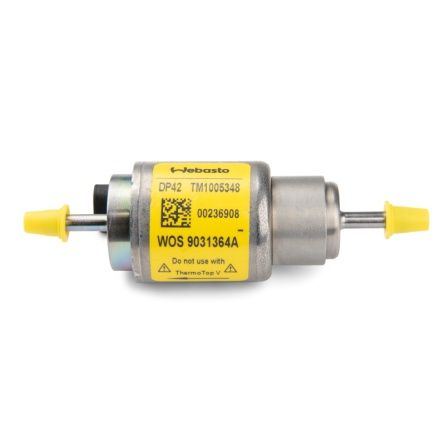
Fuel Pump
BMW64129320479$136.49 -
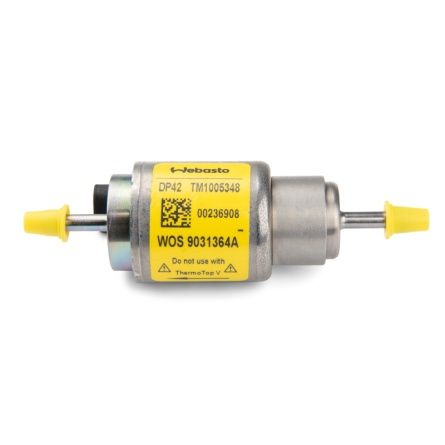
Fuel Pump
BMW9320479$136.49 -
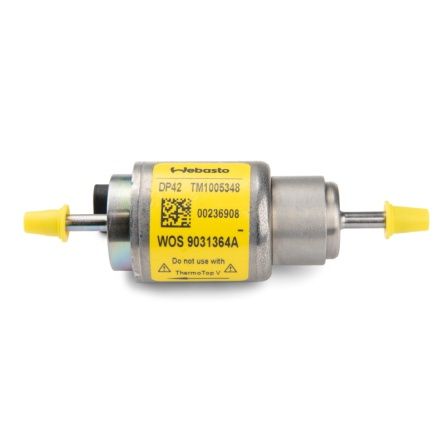
Fuel Pump
Volkswagen5Q0201607H$136.49 -
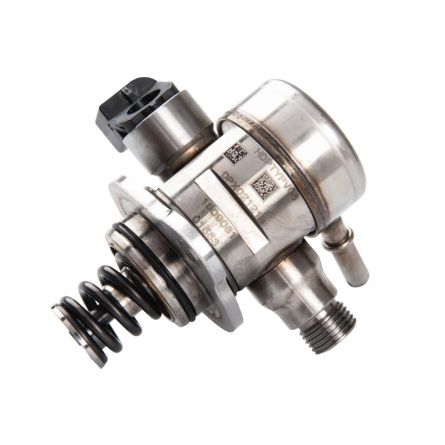
High Pressure Pump
Volkswagen05E127027$136.49 -
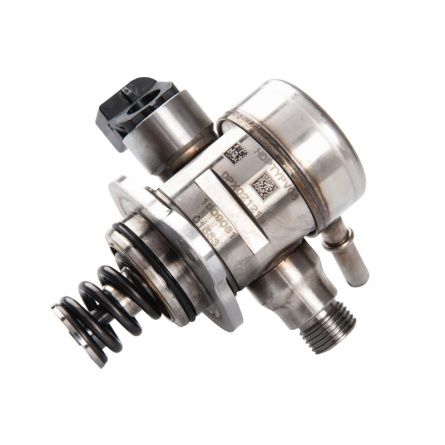
High Pressure Pump
Volkswagen05E127027D$136.49 -
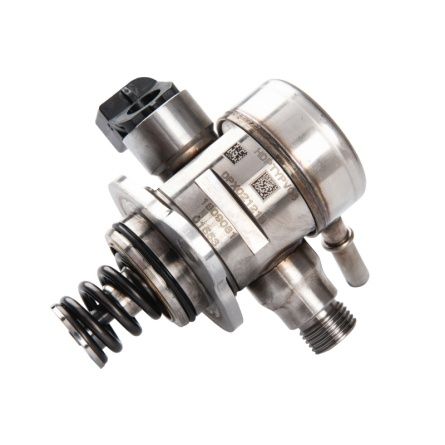
High Pressure Pump
Volkswagen05E127027J$136.49 -
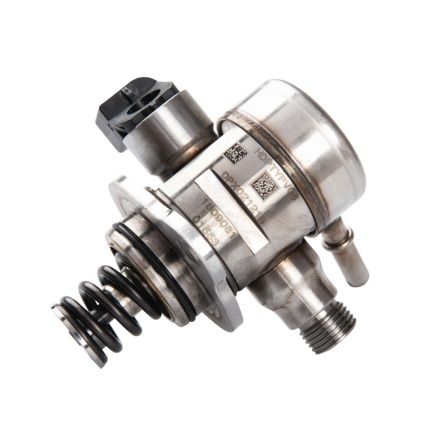
High Pressure Pump
Volkswagen05E127027B$136.49 -
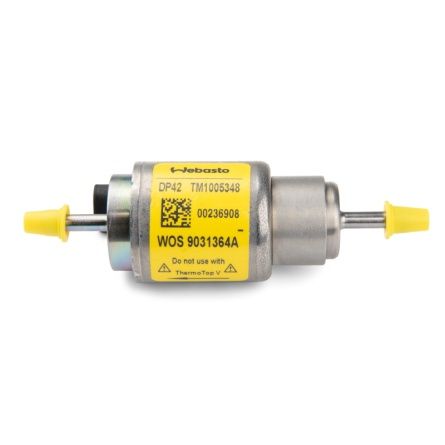
Fuel Pump
Volkswagen7N0963303A$136.49 -
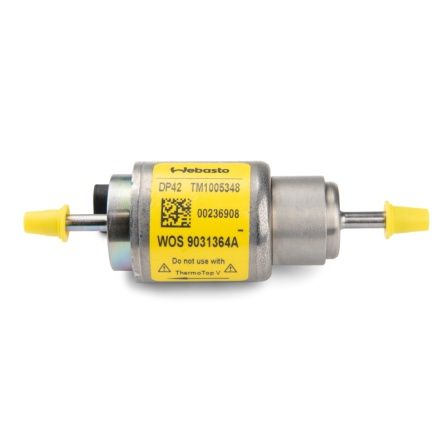
Fuel Pump
BMW64129289013$136.49 -
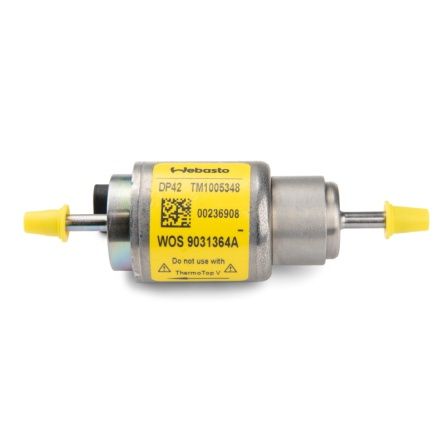
Fuel Pump
BMW9289013$136.49 -
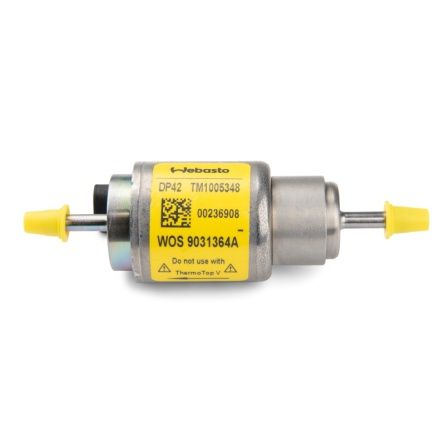
Fuel Pump
BMW9312641$136.49 -
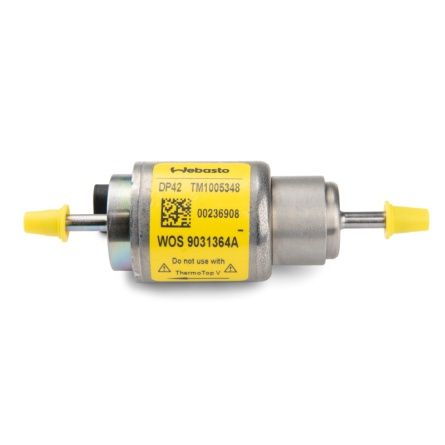
Fuel Pump
BMW64129312641$136.49 -
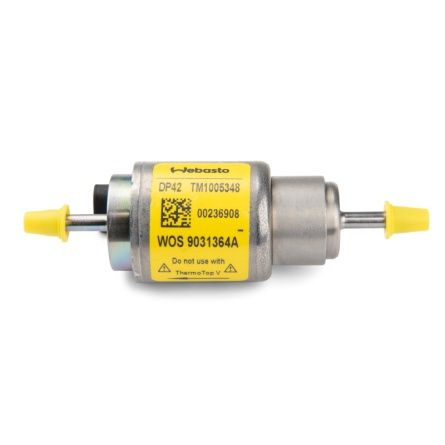
Fuel Pump
WebastoWOS9031264A$136.49 -
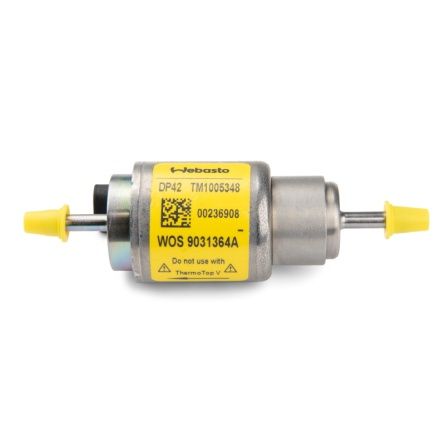
Fuel Pump
JLRLR068412$136.49 -
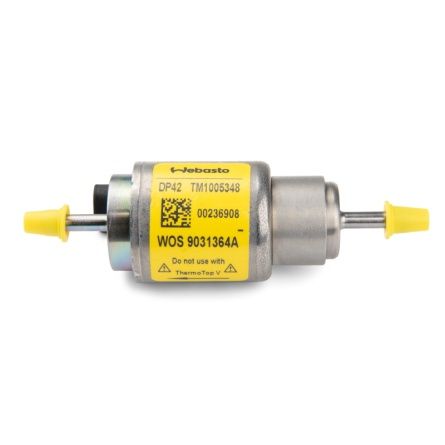
Fuel Pump
JLREH22-18B505-AA$136.49 -
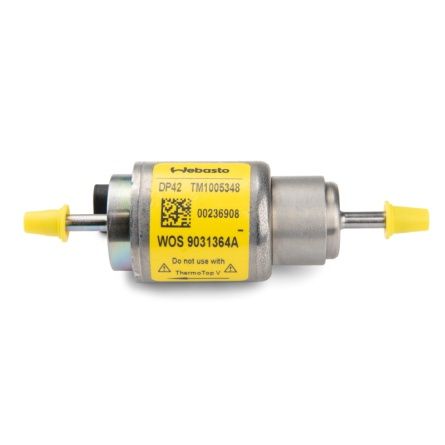
Fuel Pump
JLRJEX500020$136.49 -
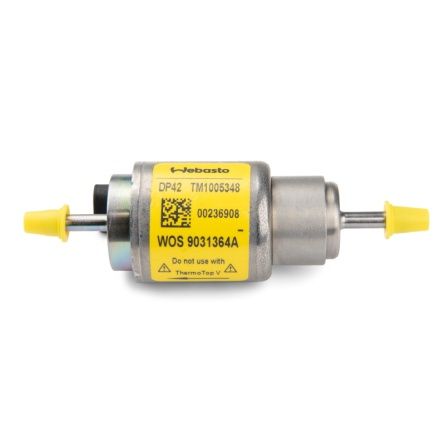
Fuel Pump
JLR7H32-18B505-AA$136.49 -
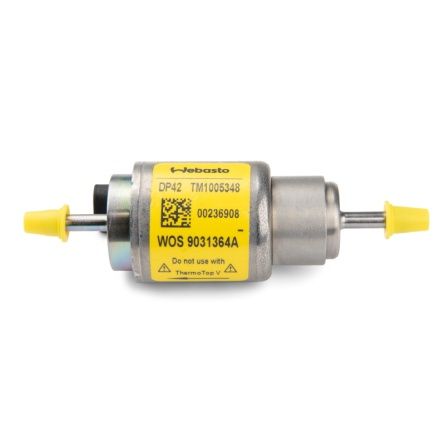
Fuel Pump
MercedesA0004782301$136.49 -
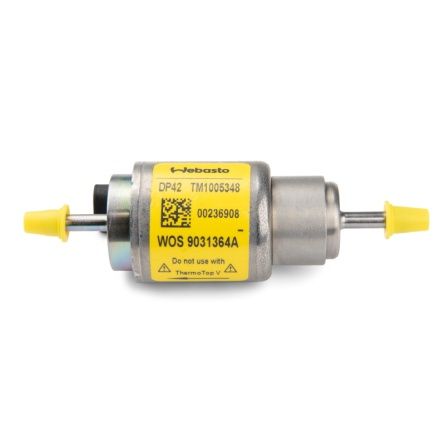
Fuel Pump
PSA9807393480$136.49 -
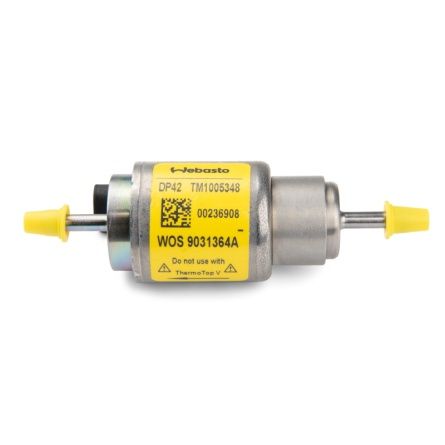
Fuel Pump
PSA6462AF$136.49 -
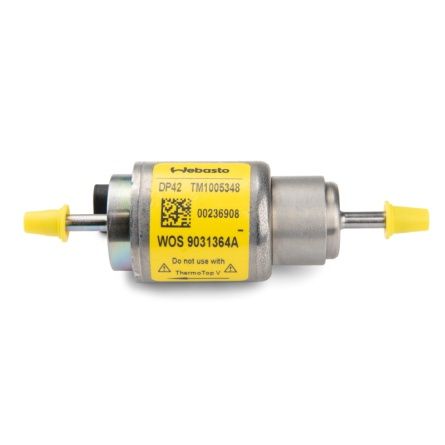
Fuel Pump
Volvo32130833$136.49 -
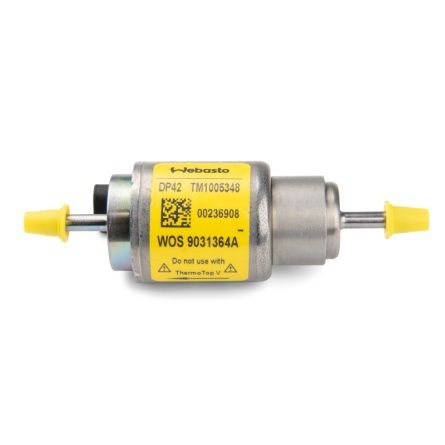
Fuel Pump
Volkswagen3Q0201607$136.49 -
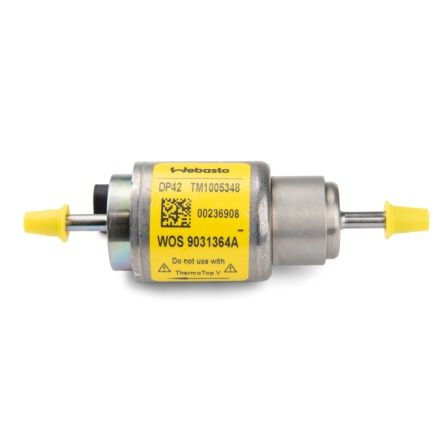
Fuel Pump
Volkswagen3Q0201607B$136.49 -
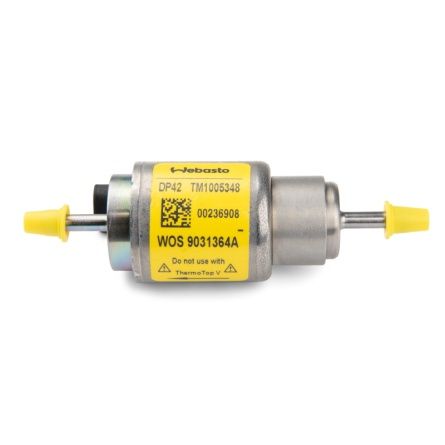
Fuel Pump
Volkswagen3Q0201607D$136.49 -
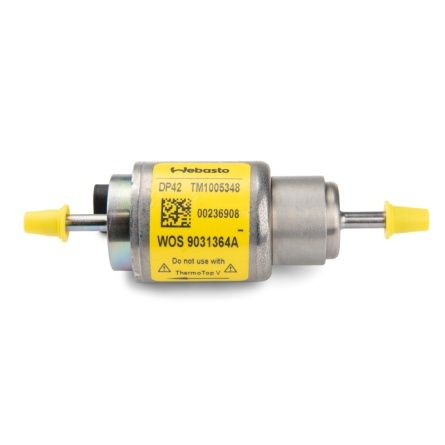
Fuel Pump
Volkswagen3Q0201607A$136.49 -
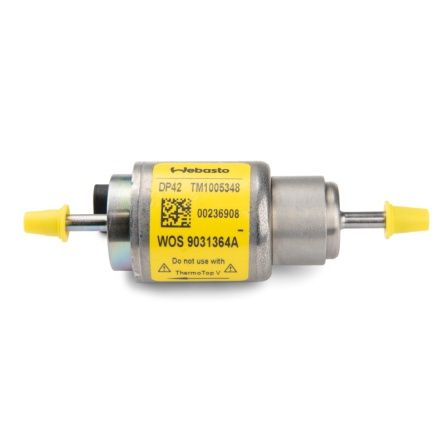
Fuel Pump
Volkswagen3AA201607F$136.49 -
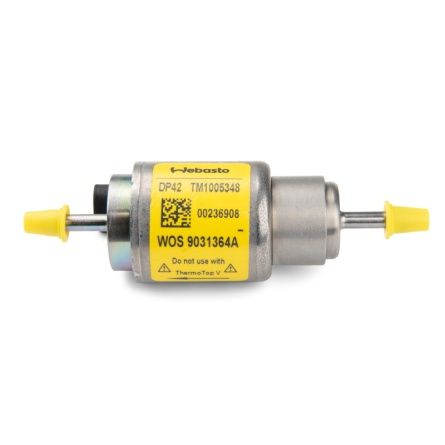
Fuel Pump
Volkswagen3AA201607E$136.49 -
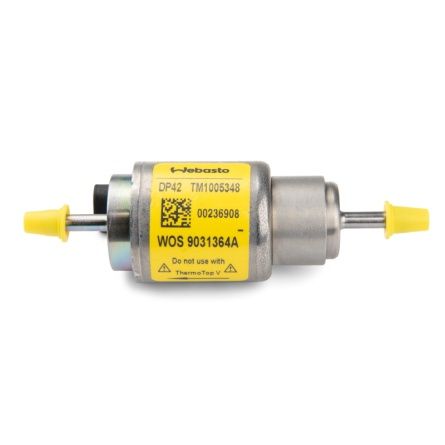
Fuel Pump
Volkswagen1K0201607AD$136.49 -
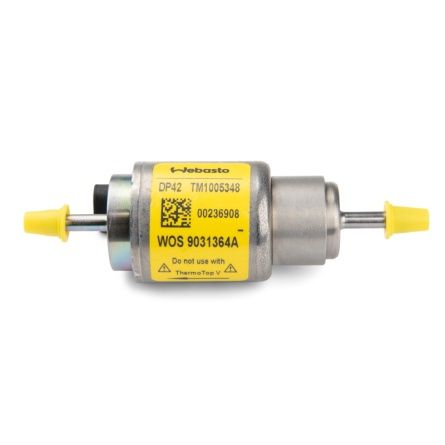
Fuel Pump
Volkswagen1K0201607AF$136.49 -
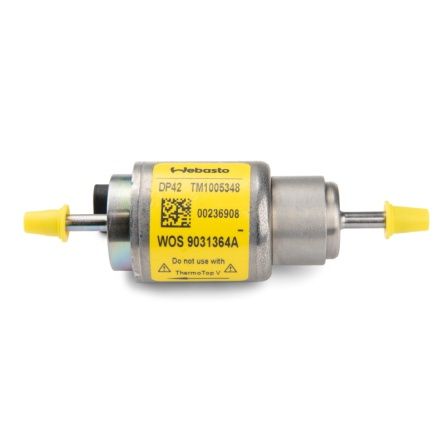
Fuel Pump
Volkswagen5Q0201607A$136.49 -
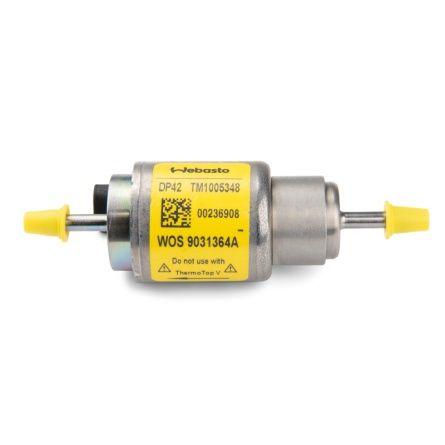
Fuel Pump
Volkswagen5Q0201607K$136.49 -
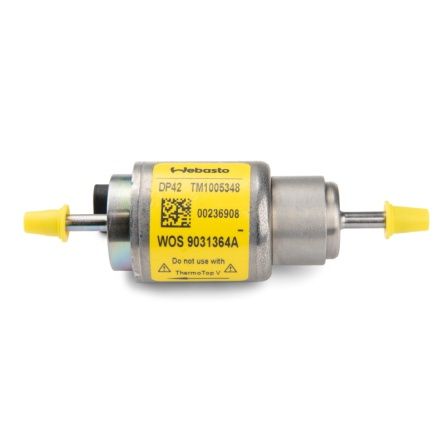
Fuel Pump
Volkswagen5Q0201607J$136.49 -
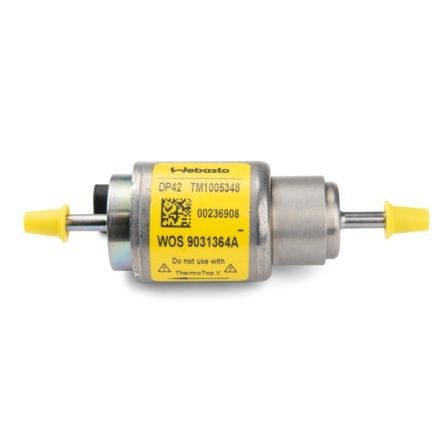
Fuel Pump
Volkswagen5Q0201607F$136.49 -
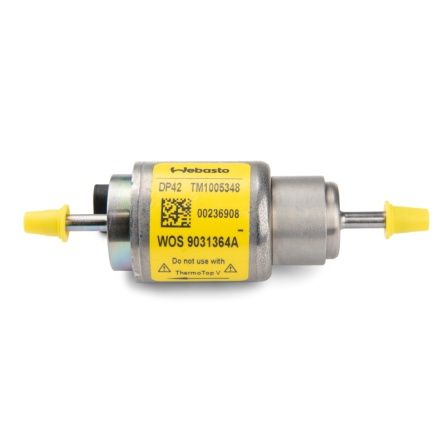
Fuel Pump
Volkswagen5Q0201607E$136.49 -
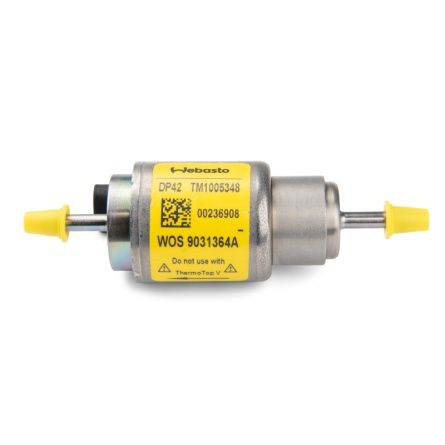
Fuel Pump
Volkswagen5Q0201607L$136.49 -
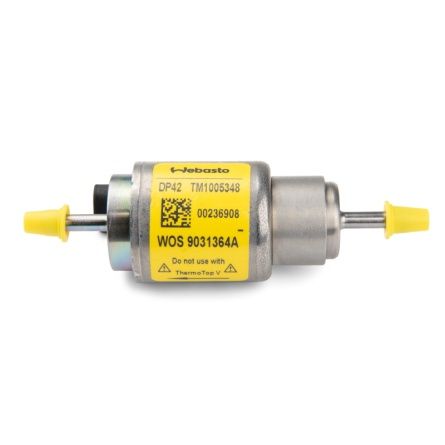
Fuel Pump
Volkswagen5Q0201607AC$136.49
Fuel Delivery
Fuel delivery systems are the hidden lifeline of every combustion engine, ensuring that power, efficiency, and reliability come together in perfect harmony. Without a precise flow of fuel, even the most advanced engines cannot achieve their full potential – acceleration weakens, emissions rise, and costly breakdowns become more likely. An efficient fuel delivery system not only guarantees smooth driving and optimal performance but also plays a decisive role in long-term maintenance, keeping critical components in top condition. In today’s world, where drivers demand both performance and sustainability, the way fuel is delivered to the engine has become a cornerstone of modern automotive engineering. Whether in a small city car, a powerful sports vehicle, or heavy-duty machinery, a properly designed and maintained system ensures that every drop of fuel is used as efficiently as possible.
Understanding Fuel Pumps
Fuel pumps are the beating heart of every fuel delivery system, ensuring that the engine receives the right amount of fuel at the correct pressure and time. Their primary function is to transport fuel from the tank to the engine, where it is mixed with air and combusted to generate power. Without a properly working fuel pump, even the most advanced engine cannot perform efficiently, as fluctuations in fuel supply can lead to poor acceleration, misfires, or even engine stalling. Inconsistent flow not only compromises performance but can also place strain on other parts of the powertrain, accelerating wear and increasing repair costs.
There are several types of fuel pumps used in vehicles, each tailored to the design and demands of the powertrain. Mechanical fuel pumps, found mostly in older cars with carburetor systems, are driven by the engine itself and operate using a simple diaphragm mechanism. Electric fuel pumps, on the other hand, dominate in modern vehicles. Typically installed inside the fuel tank, they provide steady, pressurized flow directly to the injectors, ensuring precise control over combustion and helping engines meet strict emission standards. For performance-oriented or heavy-duty applications, specialized high-pressure fuel pumps work in tandem with low-pressure pumps, supplying the immense pressure needed for direct fuel injection systems.
By maintaining a constant and reliable fuel flow, fuel pumps directly contribute to efficient engine operation, improved fuel economy, and reduced emissions. A healthy pump not only ensures smooth everyday driving but also protects critical engine components from excessive strain caused by fuel starvation. Regular maintenance, such as replacing clogged filters or listening for unusual noises from the tank, is crucial to prevent pump failure. Timely replacement is therefore key to preserving both performance and longevity of the entire fuel delivery system.
The Role of Fuel Injectors
Fuel injectors are precision-engineered components that play a vital role in the fuel delivery system. Their main task is to deliver the exact amount of fuel into the combustion chamber – not too much and not too little – ensuring the optimal air-fuel mixture required for efficient combustion. Unlike older carburetor systems, which relied on less precise methods of fuel distribution, modern injectors provide accurate, electronically controlled fuel dosing, allowing engines to achieve higher performance, better fuel economy, and lower emissions.
The operation of a fuel injector is based on controlled spraying of fuel in the form of a fine mist, which mixes evenly with incoming air. This atomization process is crucial because it ensures complete combustion, reducing fuel waste and minimizing the emission of harmful substances. Depending on the design, fuel injectors can be part of multi-point injection systems, where each cylinder receives fuel individually, or direct injection systems, where fuel is delivered straight into the combustion chamber under very high pressure.
By maintaining precision in every cycle, fuel injectors help engines respond instantly to throttle input, support smooth idling, and provide consistent power output under varying driving conditions. Their efficiency directly influences how cleanly and economically an engine operates, making them indispensable not only for performance but also for meeting ever-tightening environmental standards. When injectors begin to fail, symptoms such as rough idling, increased fuel consumption, or even visible smoke from the exhaust can appear. In short, fuel injectors are at the center of modern engine technology, balancing power, efficiency, and sustainability.
Signs of Fuel Delivery Problems
A well-functioning fuel delivery system is essential for smooth engine operation, but like any complex mechanism, it can develop issues over time. Recognizing the signs of fuel delivery problems early is crucial to prevent costly repairs and maintain both performance and safety.
One of the most common symptoms is poor engine performance. Drivers may notice reduced power during acceleration, hesitation when pressing the throttle, or a general feeling that the engine is struggling under load. This often indicates that fuel is not reaching the combustion chamber in the right quantity or at the correct pressure.
Another frequent problem is difficulty starting the engine. If the fuel pump or injectors fail to deliver fuel efficiently, the engine may crank for a long time before starting or, in severe cases, fail to start at all. Irregular idling, where the engine speed fluctuates or feels unstable, can also signal inconsistent fuel flow.
Drivers may also observe increased fuel consumption or higher emissions. When injectors are clogged or the pump is weak, the air-fuel mixture becomes unbalanced, leading to incomplete combustion. This not only wastes fuel but also increases the release of harmful pollutants, putting the vehicle at risk of failing emission tests. In more advanced cases, the vehicle may experience sudden stalling or misfires, both of which point to serious disruptions in fuel delivery. Ignoring these warnings can cause further damage to the engine and other critical components.
Timely maintenance – including regular fuel filter replacement, using high-quality fuel, and inspecting pumps and injectors – plays a decisive role in preventing these issues. By addressing problems early, drivers ensure their vehicles remain reliable, efficient, and compliant with environmental standards.
Choosing the Right Replacement Parts
When it comes to maintaining the efficiency of a vehicle’s fuel delivery system, selecting the right replacement parts is just as important as timely repairs. Both fuel pumps and fuel injectors work under high pressure and constant demand, which means even minor differences in quality or compatibility can have a significant impact on engine performance.
The first priority when choosing replacement parts is compatibility. Fuel pumps and injectors must be matched precisely to the specifications of the vehicle – from engine type and displacement to fuel injection system design. Using components that do not meet the manufacturer’s requirements can lead to poor fuel delivery, increased wear on other parts, and, in the worst case, engine damage. Always check OE (Original Equipment) numbers or consult trusted catalogs to confirm the right fit.
Equally important is quality. High-quality parts, whether genuine OE or premium aftermarket, ensure reliable operation, consistent pressure, and accurate fuel atomization. Cheap alternatives may save money initially but often wear out quickly, leading to repeated failures, higher fuel consumption, and higher repair costs in the long run. Investing in well-engineered components pays off by maintaining optimal performance, extending service intervals, and keeping emissions within legal limits.
Finally, drivers should consider sourcing parts from reputable suppliers. Established brands and certified distributors provide not only durable products but also warranties and technical support, giving peace of mind that the fuel delivery system will continue to function properly. In short, choosing the right replacement fuel pumps and fuel injectors is not just about fixing a problem – it is an investment in the long-term health, efficiency, and reliability of the vehicle.