
Lambda sensors
-
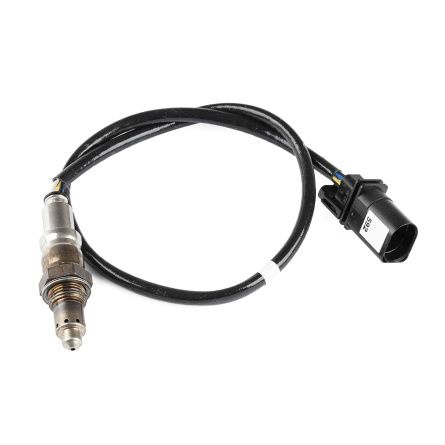
Lambda Sensor
Porsche9A790626520$90.99 -
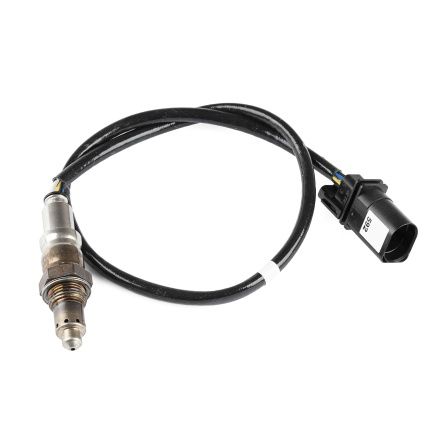
Lambda Sensor
Porsche9A790626530$90.99 -
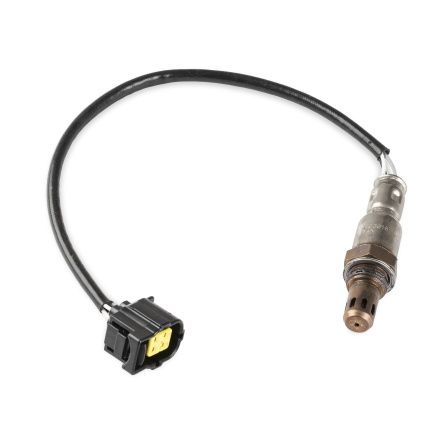
Lambda Sensor
MercedesA0085426118$63.69 -
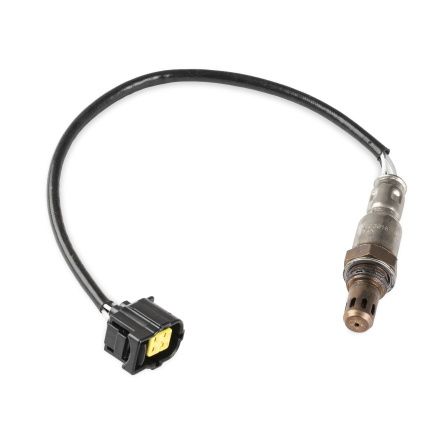
Lambda Sensor
MercedesA0065422118$63.69 -
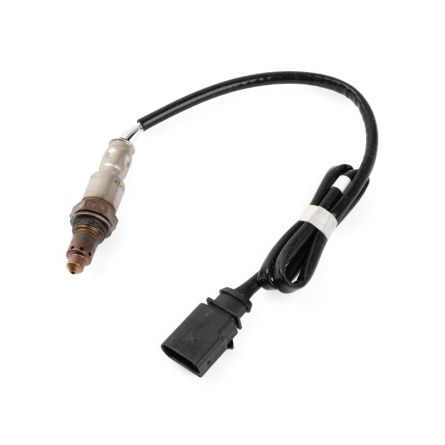
Lambda Sensor
Porsche9A7906265E$100.09 -
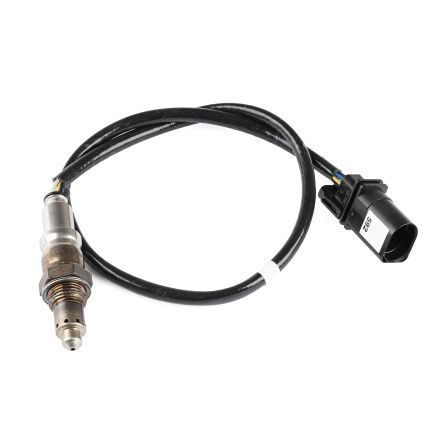
Lambda Sensor
Porsche9A790626500$90.99 -
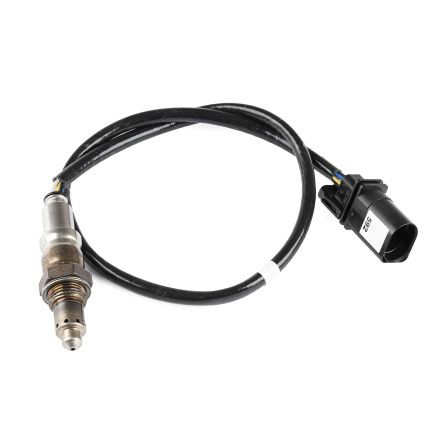
Lambda Sensor
Porsche95890626501$90.99 -
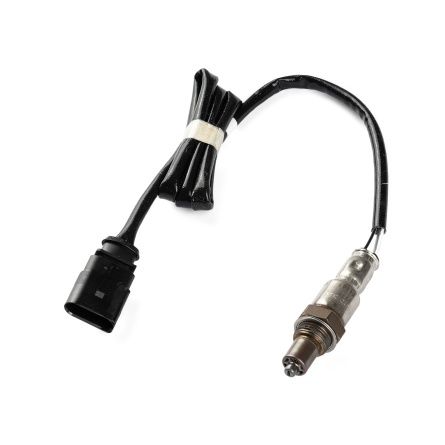
Lambda Sensor
Porsche95890626520$81.89 -
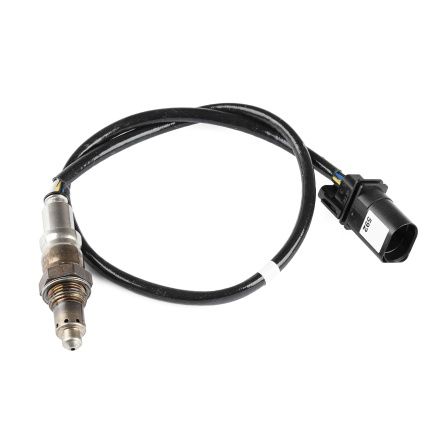
Lambda Sensor
Volkswagen8W0906265K$90.99 -
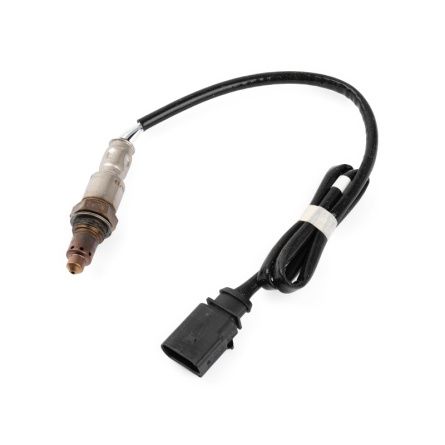
Lambda Sensor
Volkswagen8W0906265AG$100.09 -
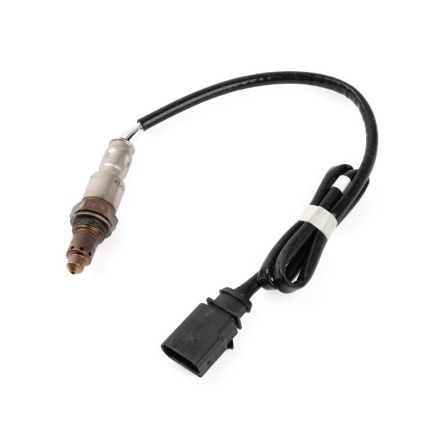
Lambda Sensor
Volkswagen8W0906265AQ$100.09 -
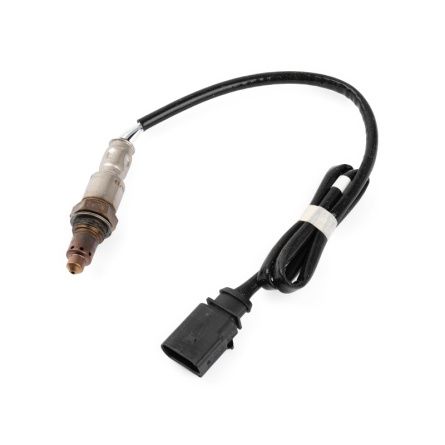
Lambda Sensor
Volkswagen8W0906265AR$100.09 -
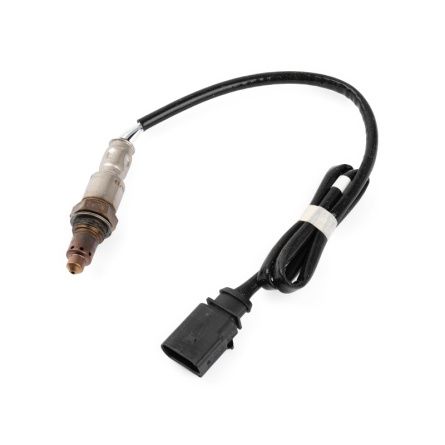
Lambda Sensor
Volkswagen8W0906265AT$100.09 -
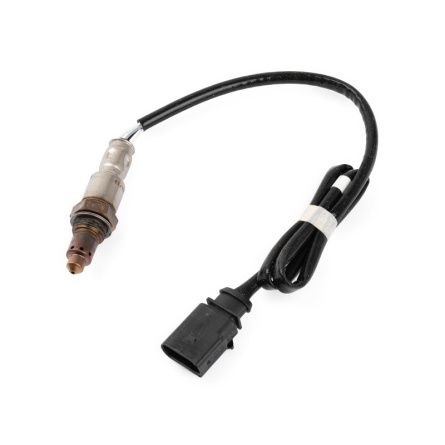
Lambda Sensor
Volkswagen8W0906265N$100.09 -
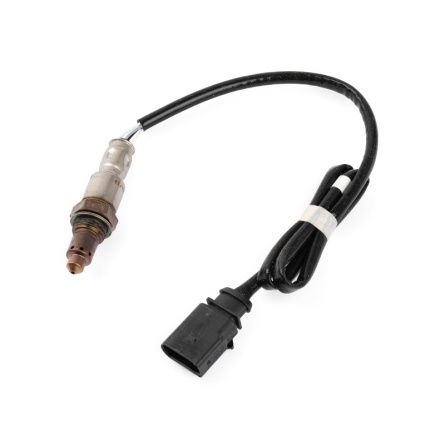
Lambda Sensor
Volkswagen8W0906265S$100.09 -
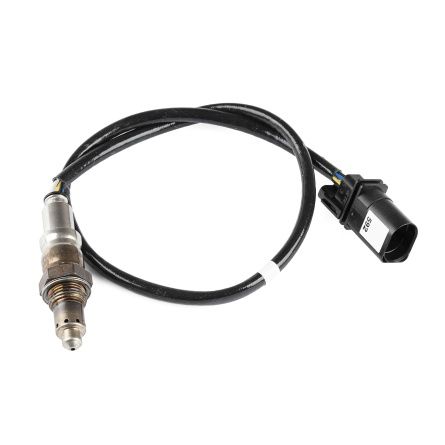
Lambda Sensor
Volkswagen8W0906265AP$90.99 -
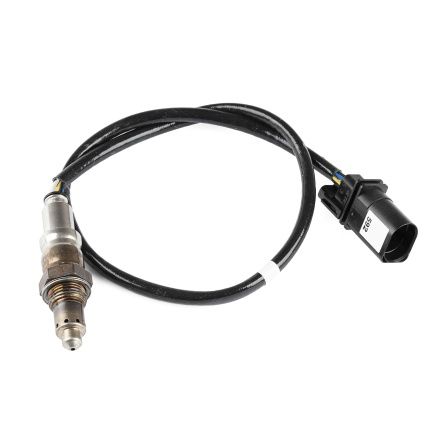
Lambda Sensor
Volkswagen8W0906265T$90.99 -
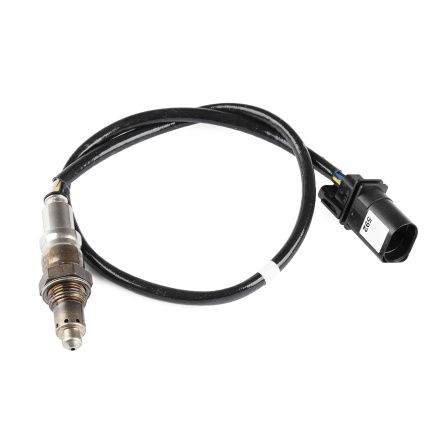
Lambda Sensor
Volkswagen8W0906265AA$90.99 -
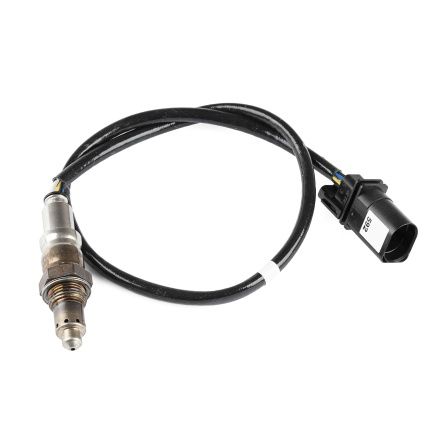
Lambda Sensor
Volkswagen8W0906265L$90.99 -
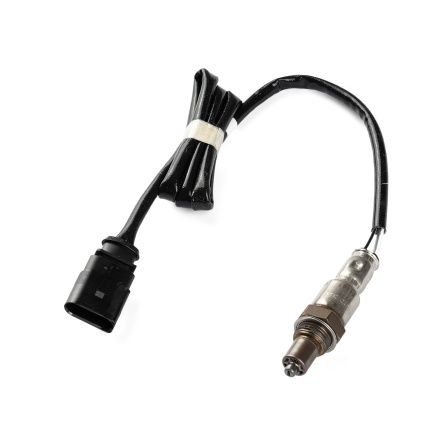
Lambda Sensor
Audi8W0906265AJ$81.89 -
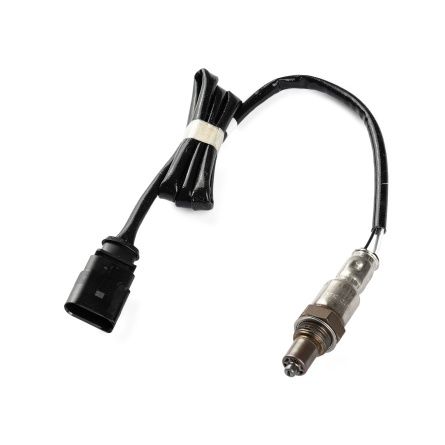
Lambda Sensor
Audi8W0906265C$81.89 -
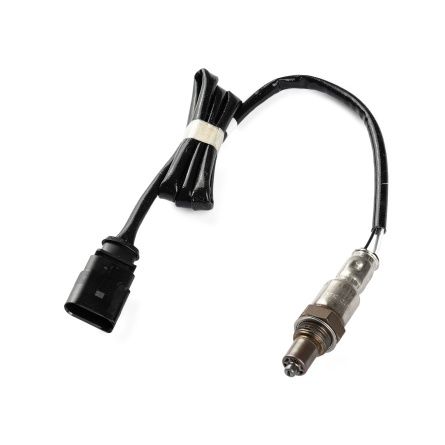
Lambda Sensor
Audi8W0906265AC$81.89 -
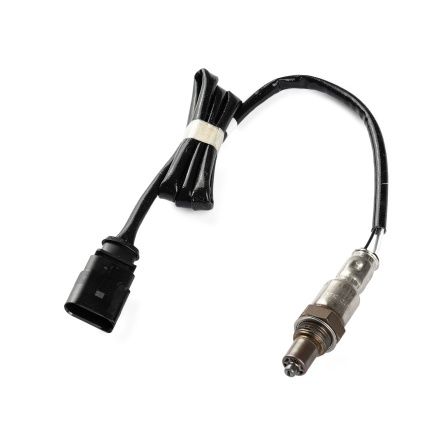
Lambda Sensor
Audi8W0906265AK$81.89 -
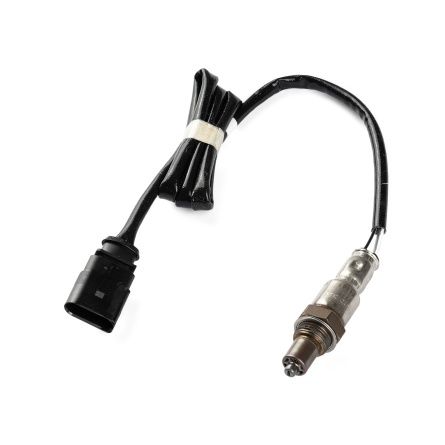
Lambda Sensor
Audi8W0906265M$81.89 -
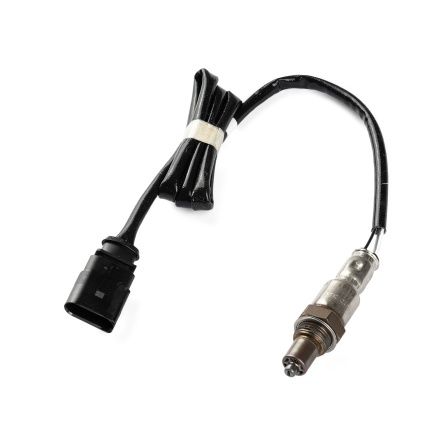
Lambda Sensor
Audi8W0906265AB$81.89 -
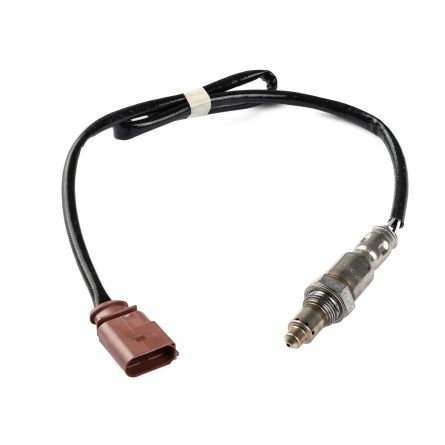
Lambda Sensor
Volkswagen8W0906265AH$81.89 -
Lambda Sensor
Audi8R0906262D$100.09 -
Lambda Sensor
Audi8R0906262G$100.09 -
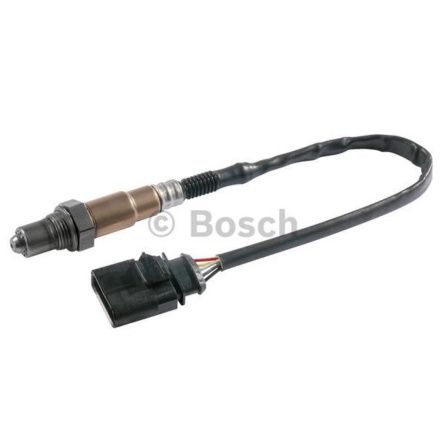
Lambda Sensor
Audi8R0906262A$100.09 -
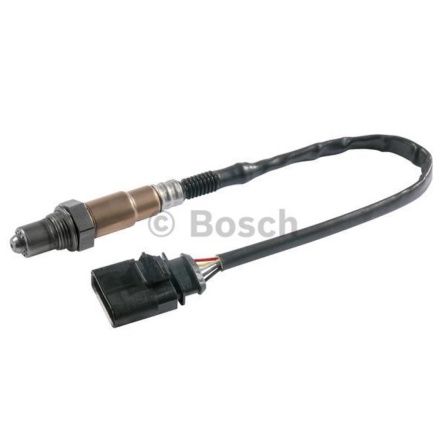
Lambda Sensor
Audi8K0906262C$100.09 -
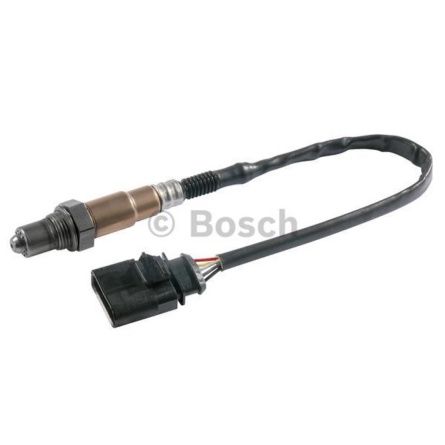
Lambda Sensor
Audi8K0906262J$100.09 -
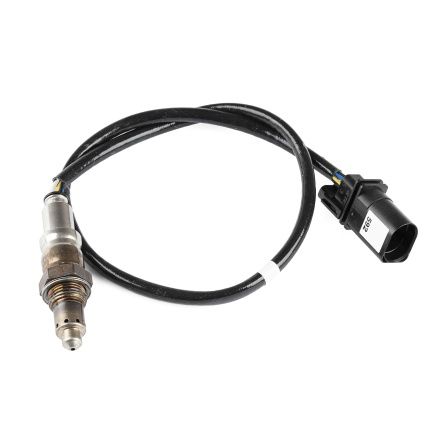
Lambda Sensor
PorschePAC906265A$90.99 -
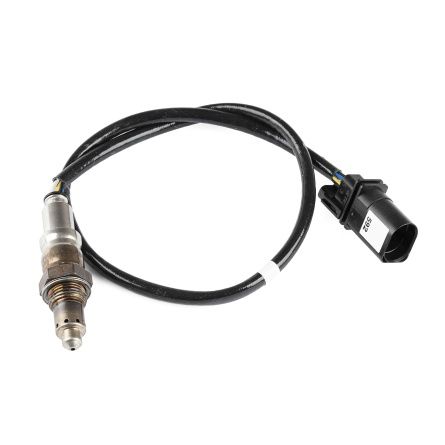
Lambda Sensor
PorschePAC906265B$90.99 -
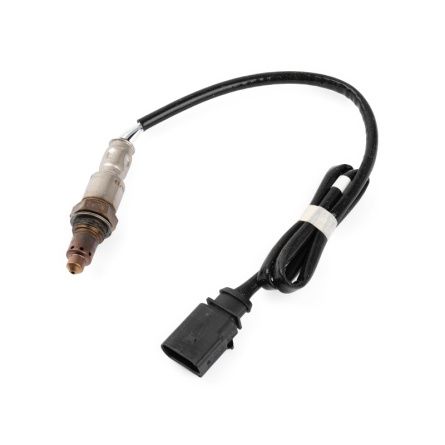
Lambda Sensor
PorschePAB906265$100.09 -
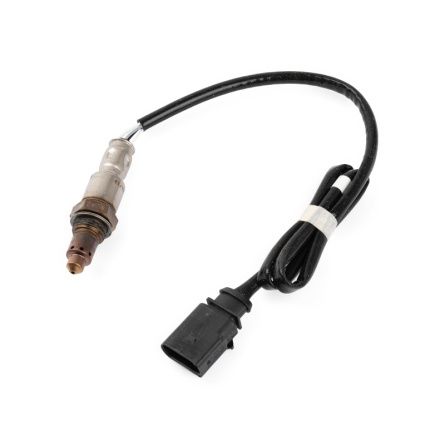
Lambda Sensor
PorschePAC906265C$100.09 -
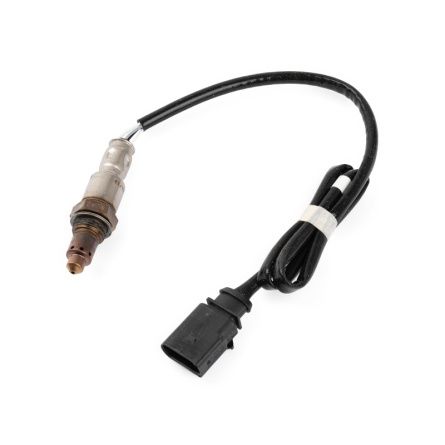
Lambda Sensor
PorschePAB906265G$100.09
Lambda sensors
Lambda sensors, also known as oxygen sensors or O2 sensors, are among the most important components of the exhaust system in modern vehicles. Their primary task is to continuously monitor the oxygen content in exhaust gases, allowing the engine control unit to precisely adjust the air-fuel mixture ratio. This process makes it possible not only to increase the efficiency and smoothness of engine operation but also to significantly reduce the emission of harmful substances. Properly functioning lambda sensors are therefore the key to maintaining the balance between performance, fuel economy, and compliance with strict environmental standards. Without their correct operation, the engine quickly loses efficiency, fuel consumption rises, and emissions exceed acceptable limits, which highlights the crucial role these sensors play in the daily operation of every car.
Understanding Lambda Sensors
A lambda sensor, also referred to as an oxygen sensor or O2 sensor, is an electronic device mounted in the exhaust system, responsible for detecting the oxygen level in the exhaust stream. This small but crucial component provides the engine control unit (ECU) with real-time information about whether the air-fuel mixture is rich, with too much fuel and too little oxygen, or lean, with too much oxygen and not enough fuel.
Using the signals transmitted by the lambda sensor, the ECU can constantly adjust the fuel injection process to maintain the optimal air-to-fuel ratio, also known as the stoichiometric ratio, which for gasoline engines is 14.7:1. In this way, the oxygen sensor directly contributes to both efficiency and clean combustion, ensuring that the engine operates smoothly while reducing the output of pollutants such as carbon monoxide, nitrogen oxides, and hydrocarbons.
Modern cars are usually equipped with more than one sensor. The upstream O2 sensor, positioned before the catalytic converter, focuses on monitoring and stabilizing the combustion mixture, while the downstream sensor, located after the catalytic converter, checks the converter’s efficiency. Together, these sensors create a sophisticated emissions management system that allows vehicles to meet ever-stricter environmental standards while also protecting the engine from wasted fuel and loss of power. A correctly functioning oxygen sensor therefore guarantees optimal combustion, lower running costs, reliability, and regulatory compliance.
Types of Lambda Sensors
Oxygen sensors are available in several variations, each designed to meet specific requirements of different vehicles and emission systems. The most common is the zirconia sensor, which uses a ceramic element coated with platinum. It works by generating a voltage signal based on the difference in oxygen levels between the exhaust gases and the outside air. Reliable and relatively inexpensive, zirconia sensors remain the standard choice for many gasoline-powered cars.
Another design is the titania sensor, which operates differently by varying its electrical resistance in response to oxygen concentration. These sensors are less widespread but are used in certain vehicles where fast response and long service life are prioritized.
In advanced applications, especially in engines developed to meet the toughest emission regulations, wideband sensors (also called air-fuel ratio sensors) are installed. Unlike traditional narrowband sensors, which only detect whether the mixture is rich or lean, wideband sensors provide continuous and highly precise measurements of the air-fuel ratio across a wide range. This allows the ECU to fine-tune combustion with far greater accuracy, improving fuel efficiency, lowering emissions, and enhancing smoothness.
Many cars today also feature multiple sensors working together. The upstream sensor ensures correct combustion, while the downstream sensor monitors catalytic converter performance. This feedback loop secures not only environmental compliance but also consistent engine performance.
How Lambda Sensors Improve Vehicle Performance
The role of an oxygen sensor goes far beyond measuring oxygen levels. By continuously feeding critical data to the ECU, these sensors maintain the delicate balance required for both performance and efficiency. One of the clearest benefits is fuel economy. A rich mixture wastes fuel, while a lean mixture leads to incomplete combustion. By maintaining the stoichiometric ratio, the sensor ensures the engine makes full use of each drop of fuel, saving money and maximizing efficiency.
The sensors also reduce harmful emissions, ensuring combustion occurs cleanly and minimizing pollutants such as hydrocarbons, nitrogen oxides, and carbon monoxide. This dual role allows vehicles to comply with strict emissions laws without sacrificing drivability. Furthermore, by stabilizing combustion across varying conditions—whether accelerating, idling, or cruising—the O2 sensor improves throttle response, smooths engine behavior, and protects against issues like detonation or overheating.
Choosing the Right Lambda Sensor for Your Car
Selecting the correct sensor is vital for both engine health and environmental compliance. The first step is to check the vehicle’s specifications, ideally by VIN or OE number, to ensure compatibility. Sensor placement is also key: upstream sensors regulate mixture, while downstream sensors monitor catalytic converter efficiency. Mixing these up can lead to performance issues, poor fuel economy, or warning lights.
Quality is equally important. While low-cost aftermarket sensors may seem appealing, they often fail prematurely or provide inaccurate data. Choosing OE sensors or high-quality aftermarket equivalents from trusted brands ensures long-term reliability and accurate operation. Finally, it is crucial to confirm whether your car requires a narrowband or a wideband sensor, as installing the wrong type can disrupt the ECU’s operation and cause serious performance issues.