
Engine
-
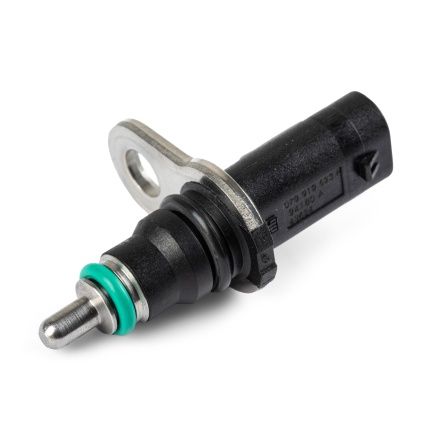
Coolant temperature sensor
Volkswagen079919525D$31.84 -
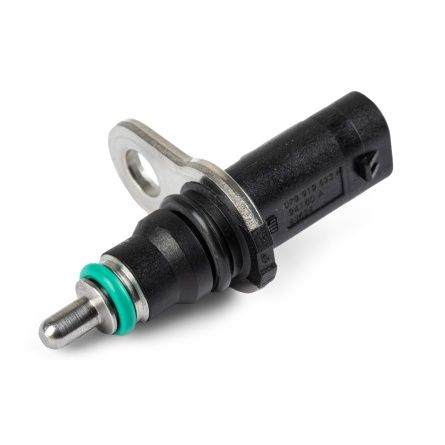
Coolant temperature sensor
Volkswagen079919525B$31.84 -
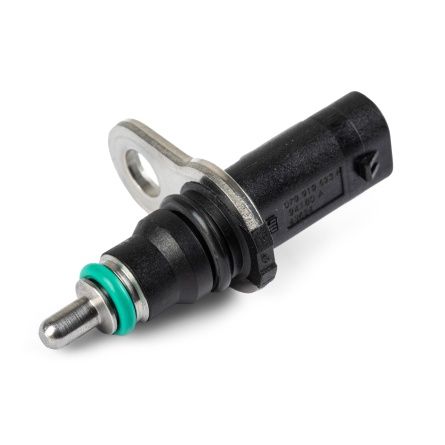
Coolant temperature sensor
Volkswagen079919525J$31.84 -
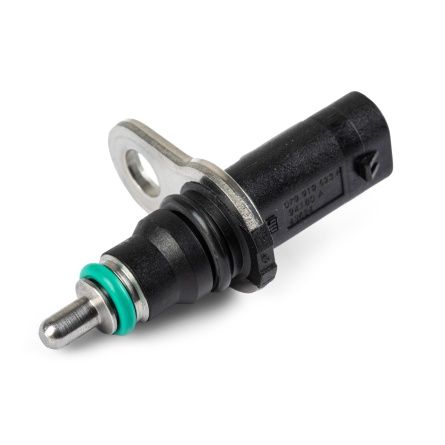
Coolant temperature sensor
Volkswagen079919525C$31.84 -
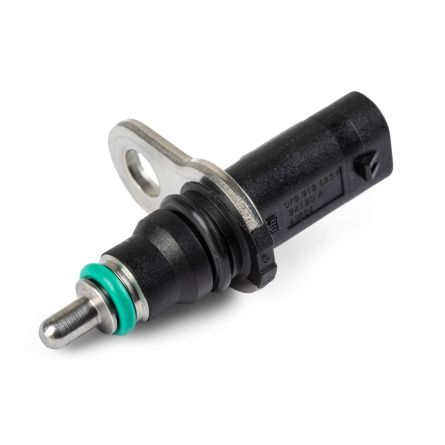
Coolant temperature sensor
Volkswagen079919525H$31.84 -
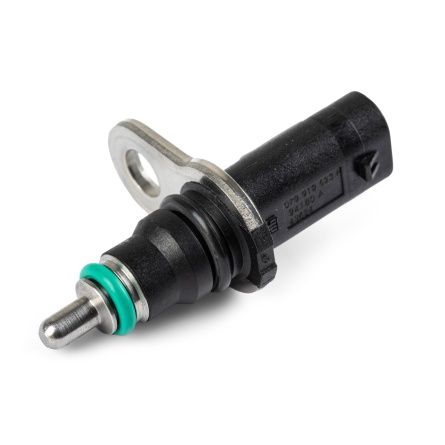
Coolant temperature sensor
Volkswagen079919525M$31.84 -
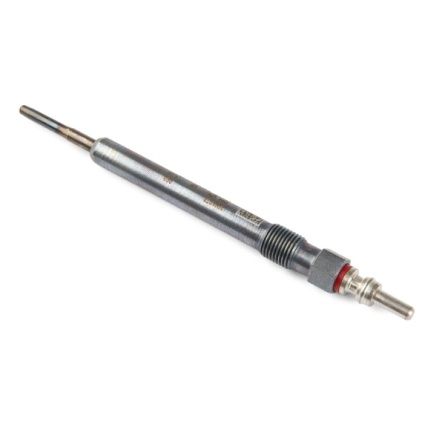
Glow plug
Volkswagen059963319AB$13.64 -
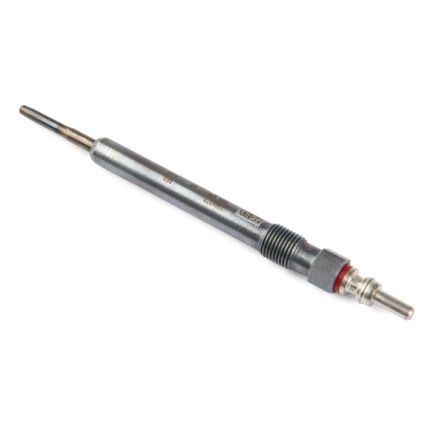
Glow plug
Volkswagen059963319M$13.64 -
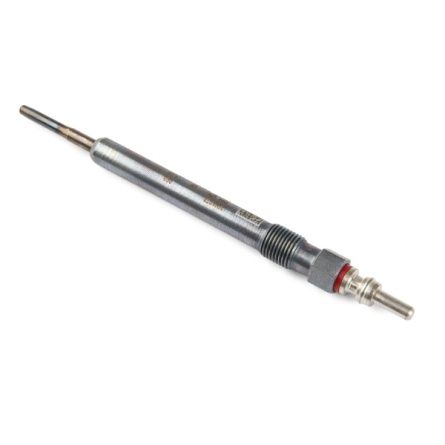
Glow plug
Volkswagen059963319E$13.64 -
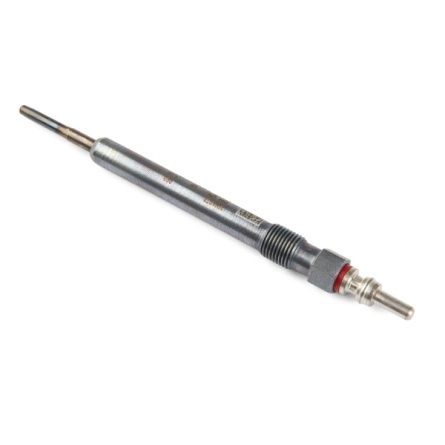
Glow plug
Volkswagen059963319S$13.64 -
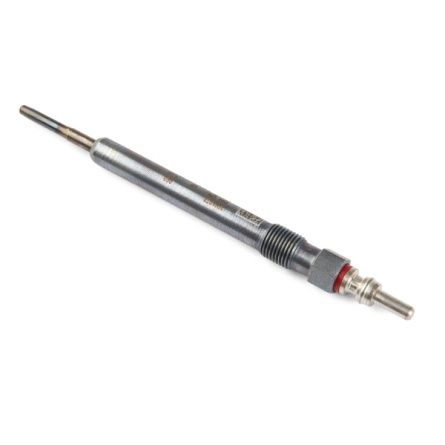
Glow plug
Volkswagen059963319J$13.64 -
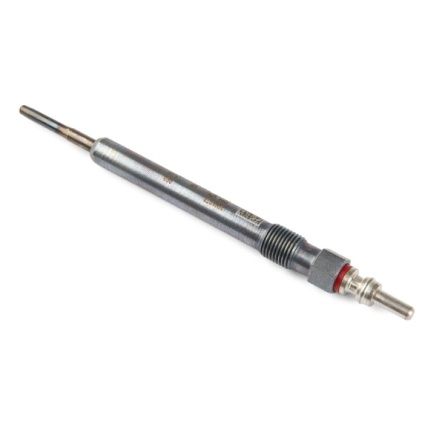
Glow plug
Volkswagen059963319F$13.64 -
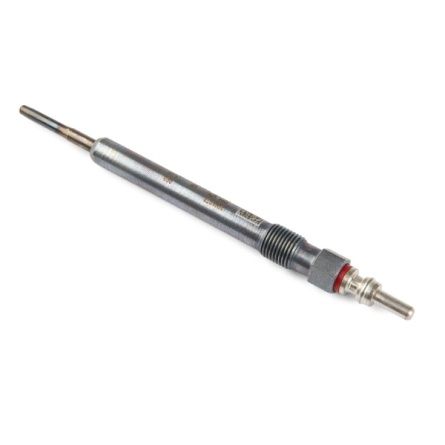
Glow plug
Volkswagen03L963319$13.64 -
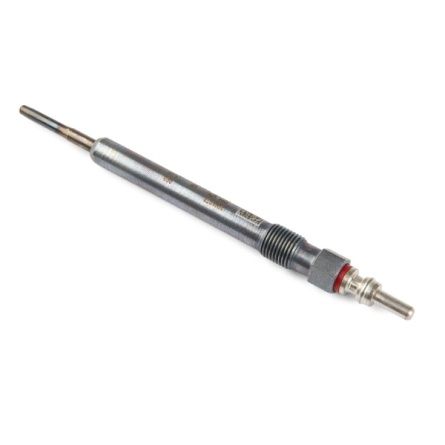
Glow plug
Volkswagen03L963319D$13.64 -
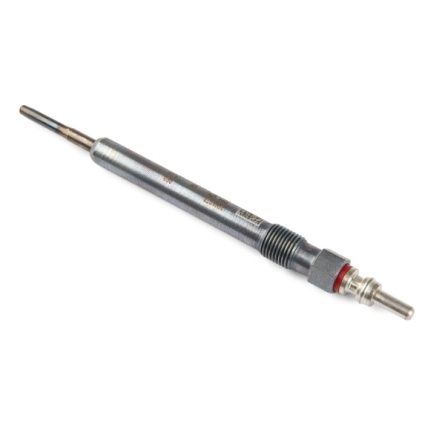
Glow plug
Volkswagen03L963319B$13.64 -
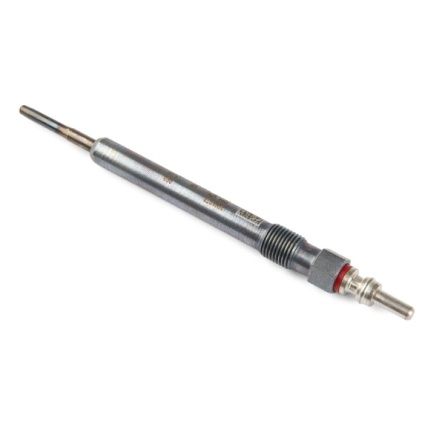
Glow plug
Volkswagen03L963319A$13.64 -
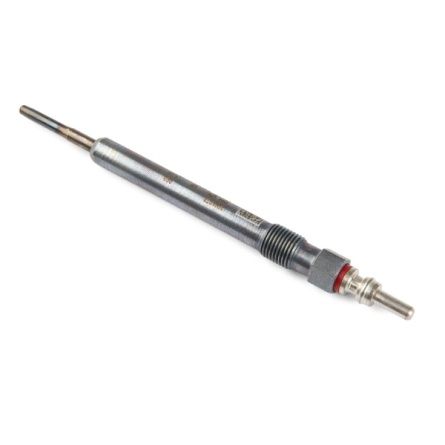
Glow plug
Volkswagen059963319C$13.64 -
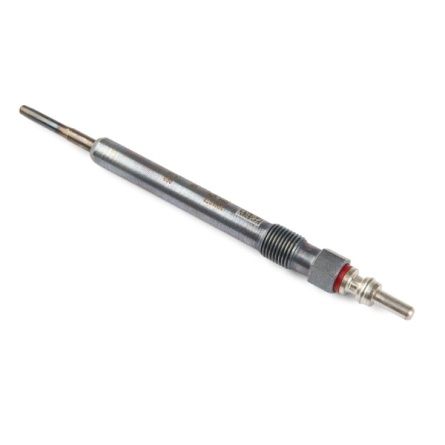
Glow plug
Volkswagen03L963619B$13.64 -
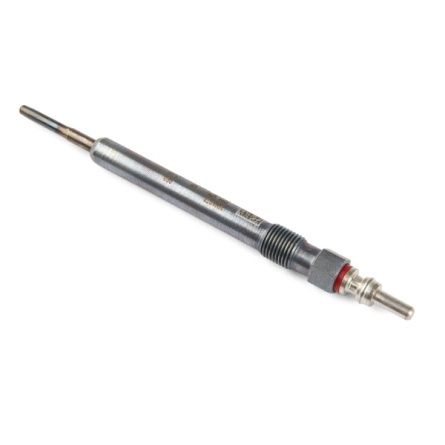
Glow plug
Audi059963319AE$13.64 -
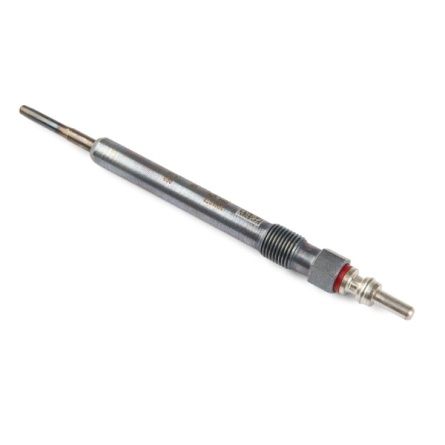
Glow plug
Volkswagen59998319$13.64 -
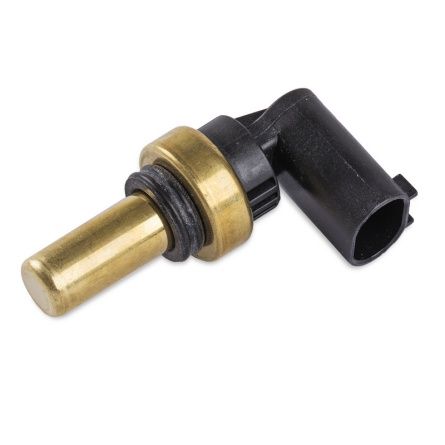
Coolant temperature sensor
Dodge5080147AA$22.74 -
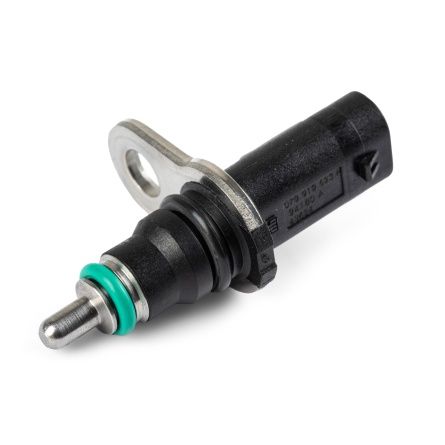
Coolant temperature sensor
Porsche95860662320$31.84 -
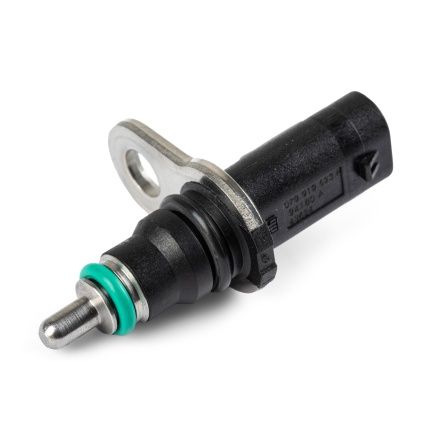
Coolant temperature sensor
Porsche95860662300$31.84 -
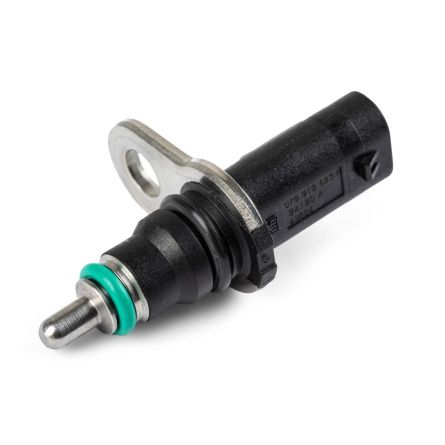
Coolant temperature sensor
Porsche9A791952500$31.84 -
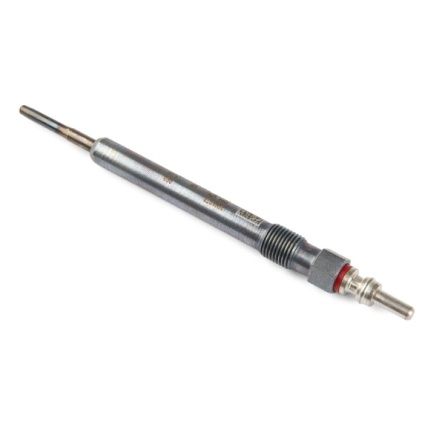
Glow plug
Porsche95817032090$13.64 -
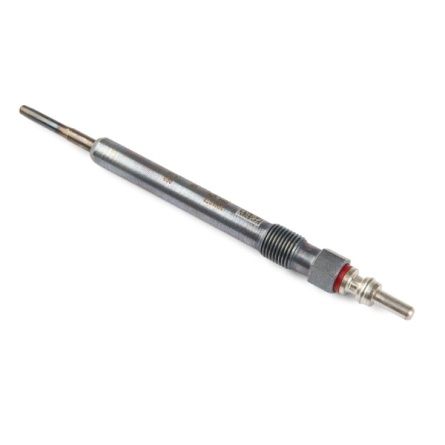
Glow plug
Porsche95817032091$13.64 -
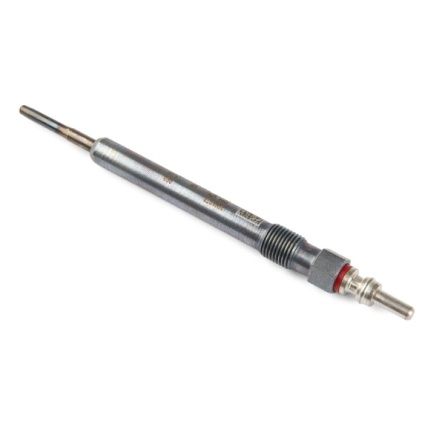
Glow plug
Porsche95517032090$13.64 -
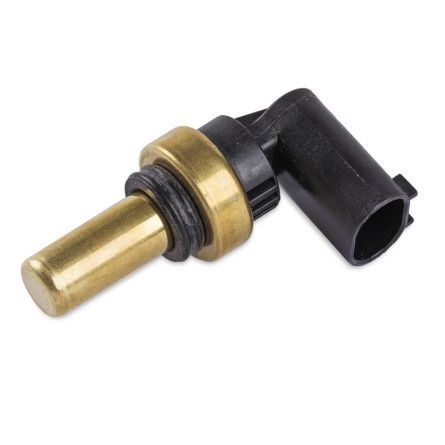
Coolant temperature sensor
Dodge68068746AA$22.74 -
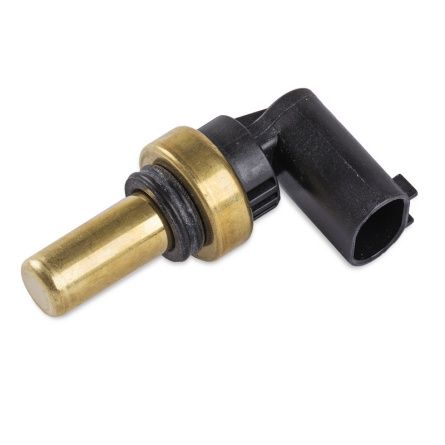
Coolant temperature sensor
Dodge68068746AB$22.74 -
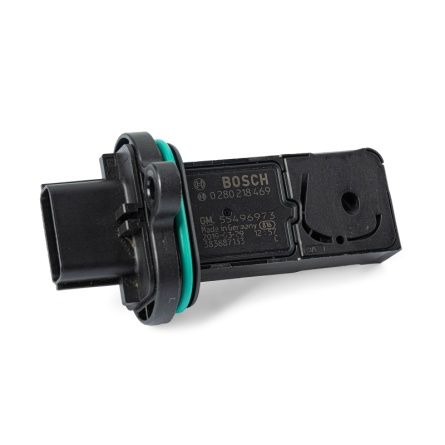
MAF sensor
General Motors8360290$72.79 -
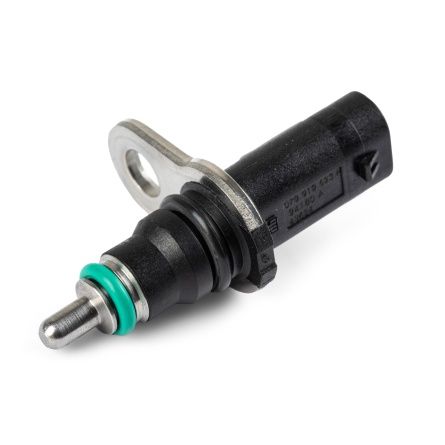
Coolant temperature sensor
PorschePAB919523$31.84 -
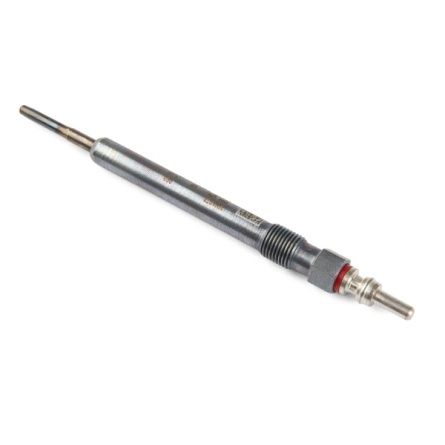
Glow plug
PorschePAB963319$13.64 -
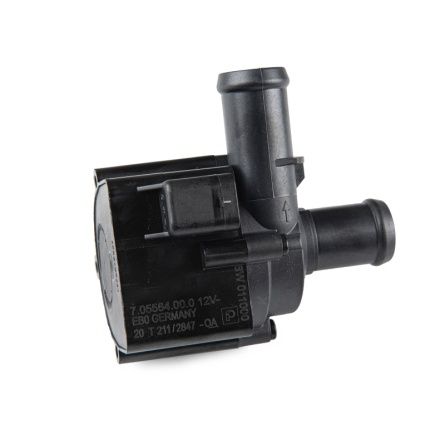
Auxiliary Water Pump
Volkswagen06H121601M$100.09 -
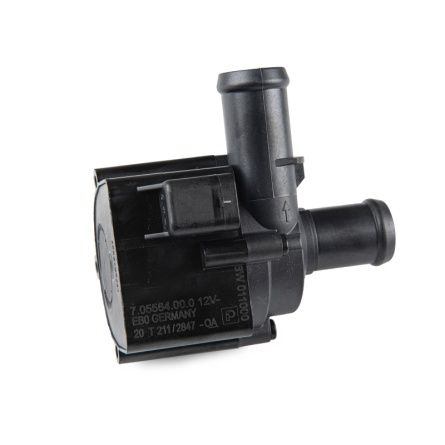
Auxiliary Water Pump
Volkswagen06H121601J$100.09 -
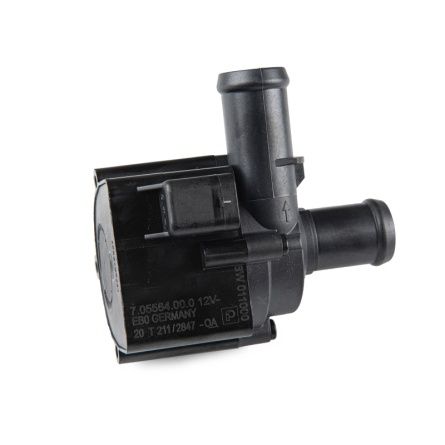
Auxiliary Water Pump
Volkswagen06H121601F$100.09 -
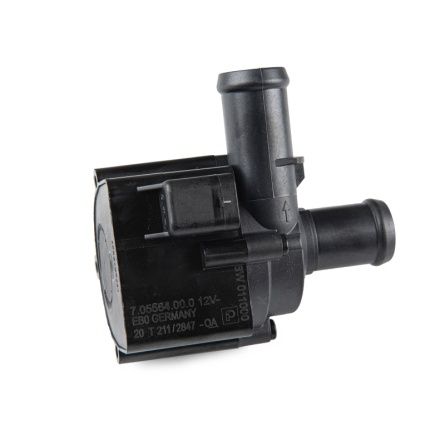
Auxiliary Water Pump
Audi06H121601N$100.09
Engine
Engines stand at the very heart of the automotive industry, serving as the driving force behind every vehicle on the road. More than just mechanical powerhouses, they represent the perfect balance of engineering precision, innovation, and efficiency. From compact city cars to heavy-duty trucks, the engine dictates performance, fuel economy, and environmental impact, making it one of the most critical elements in modern mobility. Yet, an engine cannot perform at its peak without the seamless support of countless components and sensors working in harmony. These elements provide vital data, regulate operations, and ensure that each journey is both powerful and efficient. Understanding the importance of engines and their interconnected systems lays the foundation for exploring the wide range of parts and sensors that keep vehicles running smoothly, reliably, and sustainably.
Introduction to Automotive Engine Sensors
Sensors have become the unseen guardians of modern car engines, playing a decisive role in how efficiently and reliably they operate. Unlike older engines that relied mostly on mechanical adjustments, today’s advanced powertrains depend on a vast network of electronic sensors constantly monitoring every detail of the combustion process. From measuring air intake and fuel pressure to tracking exhaust gases and engine temperature, these devices provide the Engine Control Unit (ECU) with real-time data. This allows the ECU to make precise adjustments that optimize fuel consumption, reduce harmful emissions, and enhance overall performance. Without these systems, engines would run less smoothly, burn more fuel, and risk premature wear. Their influence extends beyond simple regulation – they are at the core of efficiency, durability, and compliance with modern environmental standards, making them indispensable to the future of automotive engineering. In fact, automotive engine sensors are now regarded as critical components, as essential as the engine’s mechanical parts themselves.
Types of Engine Management Sensors
In modern vehicles, a variety of engine management sensors work together to ensure precise control of combustion and overall performance. Oxygen sensors, often referred to as lambda sensors, are placed in the exhaust system to monitor the oxygen content of exhaust gases. By determining whether the engine is running on a mixture that is too rich or too lean, they provide the Engine Control Unit with the data needed to adjust fuel injection and maintain clean, efficient combustion. Equally important are throttle position sensors, which track the exact angle of the throttle plate to indicate how much air the driver is requesting through acceleration. This information allows the ECU to regulate fuel delivery and ignition timing with great accuracy, ensuring smooth throttle response and stable operation under varying conditions. Another essential device is the mass air flow sensor, which measures the amount and density of air entering the engine. By calculating airflow in real time, it enables the ECU to balance fuel supply precisely, improving efficiency and reducing emissions. Although each of these sensors performs a distinct function, their combined input creates a continuous feedback loop that keeps the engine operating at its best, maximizing performance while minimizing environmental impact.
Benefits of Advanced Engine Sensors
The integration of advanced sensors has transformed the way vehicles perform, delivering benefits that extend far beyond simple monitoring. One of the most significant advantages is improved fuel economy. By providing the Engine Control Unit with precise, real-time data about air intake, fuel delivery, exhaust gases, and temperature, sensors enable the engine to maintain an ideal air–fuel ratio under all conditions. This level of precision minimizes wasted fuel, enhances combustion efficiency, and ultimately lowers operating costs for drivers.
Another major benefit lies in increased safety. Sensors monitoring throttle position, airflow, and exhaust composition help maintain consistent and predictable engine behavior, which is vital during acceleration, braking, or high-speed driving. When combined with related systems like traction control and anti-lock braking, advanced engine sensors contribute to smoother power delivery and greater stability on the road, boosting driver confidence and reducing the risk of sudden failures.
Equally important is the reduction of harmful emissions. Environmental standards around the world are becoming increasingly strict, and advanced sensors make it possible for vehicles to meet these requirements. By detecting incomplete combustion, regulating exhaust after-treatment, and continuously adjusting fuel delivery, they ensure that pollutants such as nitrogen oxides, carbon monoxide, and unburned hydrocarbons are minimized. This not only supports cleaner air and public health but also helps manufacturers and drivers stay compliant with regulations. In this context, automotive engine sensors play a dual role: they improve everyday driving while safeguarding the environment.
Choosing the Right Engine Sensors for Your Vehicle
Selecting the right sensors is not simply a matter of replacing a faulty component but a crucial step in maintaining long-term performance, safety, and efficiency. The type of vehicle is the first factor to consider. For everyday passenger cars, choosing high-quality OEM or OE-equivalent sensors ensures consistent performance and proper integration with the engine control system. In contrast, heavy-duty trucks or vehicles used for towing may require sensors designed to withstand higher temperatures, stronger vibrations, and more demanding workloads, making durability and reinforced construction key priorities.
Driving conditions also influence the choice of engine sensors. Vehicles operating mainly in urban areas, where frequent starts, stops, and idling occur, benefit from highly responsive oxygen and mass air flow sensors that can adapt quickly to fluctuating conditions. For those who drive long distances on highways or in extreme climates, it is essential to choose sensors that can handle prolonged use at high speeds or exposure to temperature extremes, reducing the risk of inaccurate readings or early failure.
Maintenance considerations are equally important. Selecting sensors that are resistant to corrosion, easy to install, and built for long service intervals helps lower the total cost of ownership. Compatibility is vital as well – even the highest-quality sensor will not perform properly if it is not correctly matched to the vehicle’s make, model, and engine specifications. Trustworthy brands and proven parts should always be preferred over unverified aftermarket alternatives to guarantee accurate data delivery and reliable ECU performance. By focusing on these aspects, drivers and service professionals can ensure that engine management sensors maintain their intended role: keeping the engine efficient, powerful, and environmentally compliant.