
MAP sensors
-
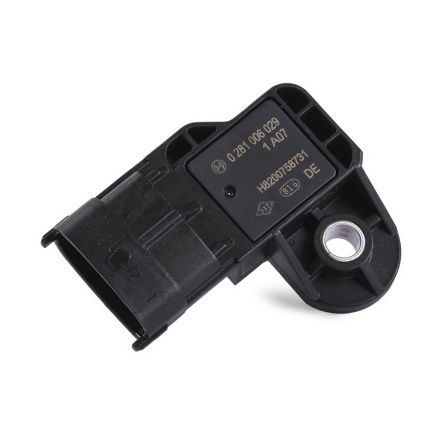
MAP sensor
Bosch0261230042$36.39 -
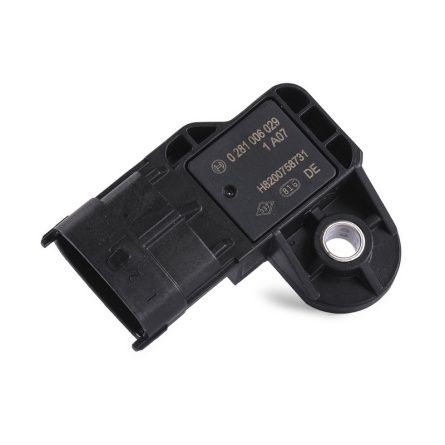
MAP sensor
Bosch0281002576$36.39 -
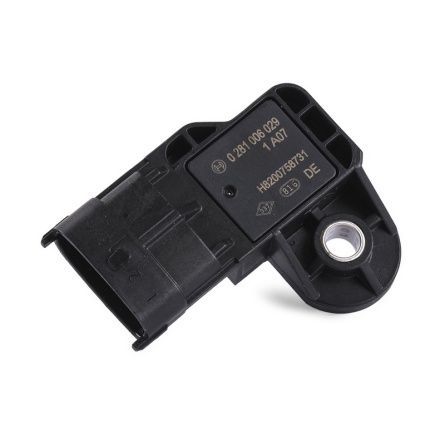
MAP sensor
Bosch0261230422$36.39 -
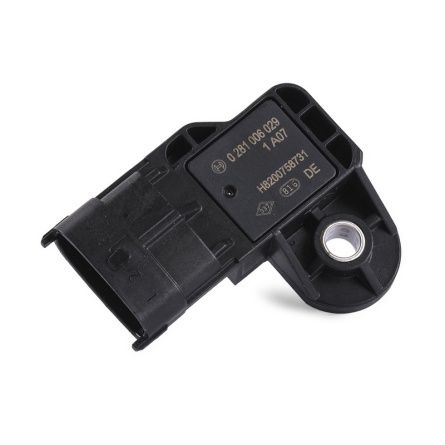
MAP sensor
Bosch0261230449$36.39 -
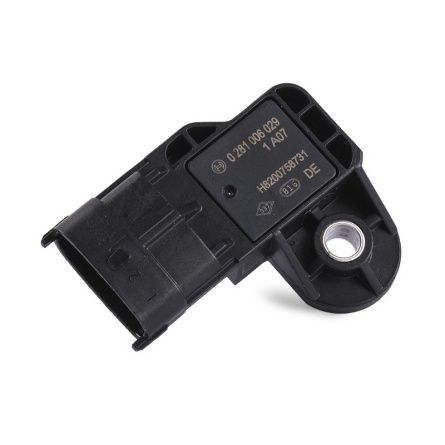
Pressure Sensor
Fiat4627187AA$36.39 -
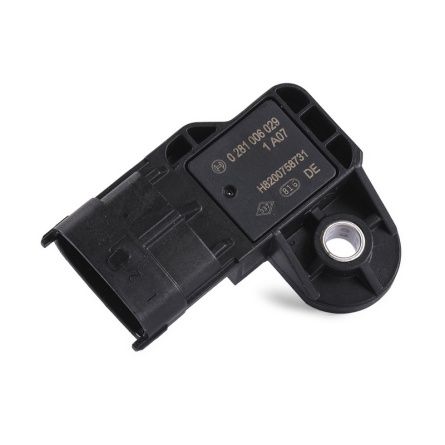
Pressure Sensor
Jeep68211211AA$36.39 -
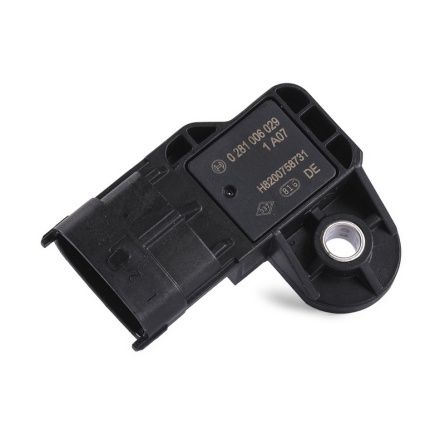
Pressure Sensor
Fiat68093409AA$36.39 -
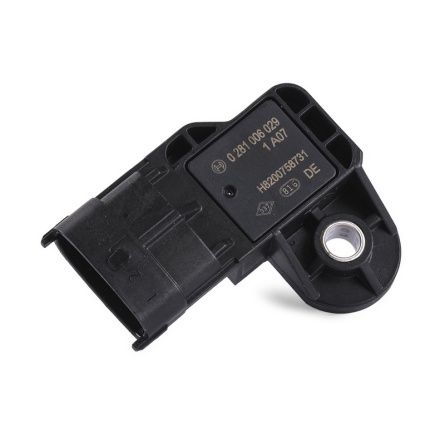
Pressure Sensor
FordBV6Z-9F479-A$36.39 -
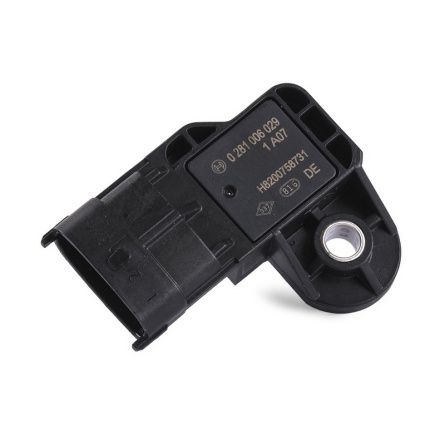
Pressure Sensor
FordCV2Z-9F479-A$36.39 -
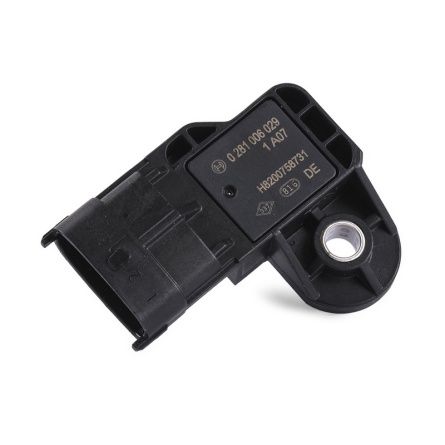
Pressure Sensor
FordCV2Z-9F479-AA$36.39 -
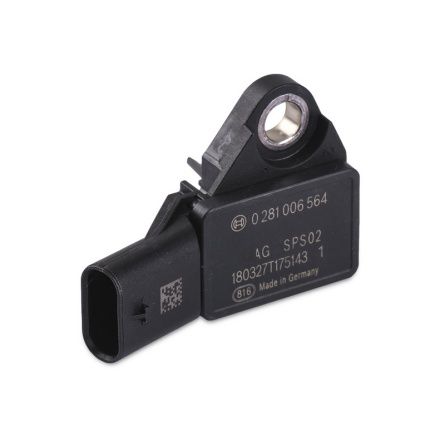
Pressure Sensor
Volkswagen06E906051T$18.19 -
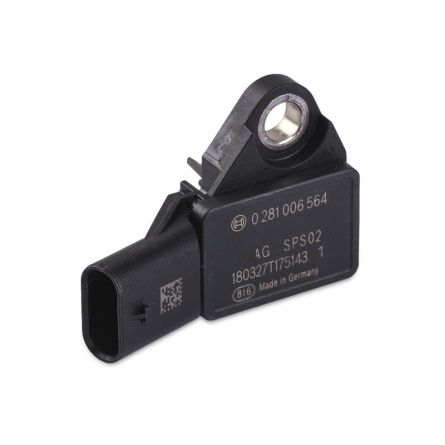
Pressure Sensor
Volkswagen06E906051AF$18.19 -
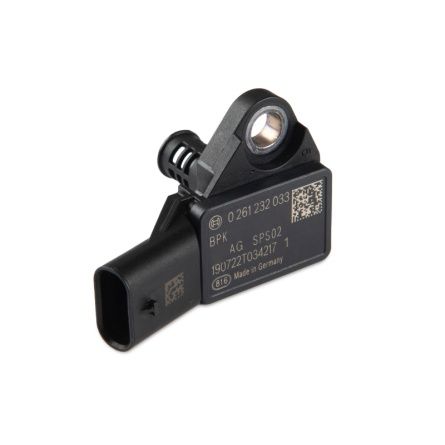
Pressure Sensor
Volkswagen06E906051AD$18.19 -
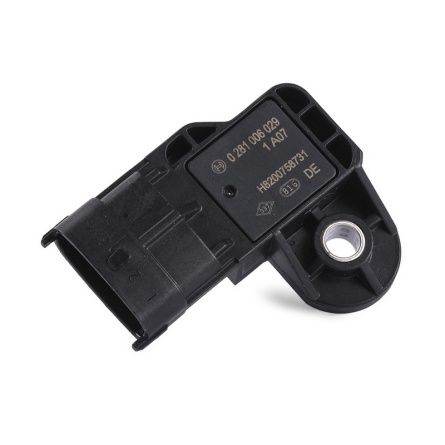
Pressure Sensor
Renault223650002R$36.39 -
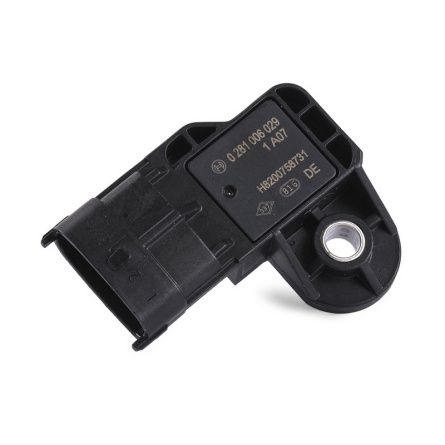
Pressure Sensor
Nissan22365-00QAL$36.39 -
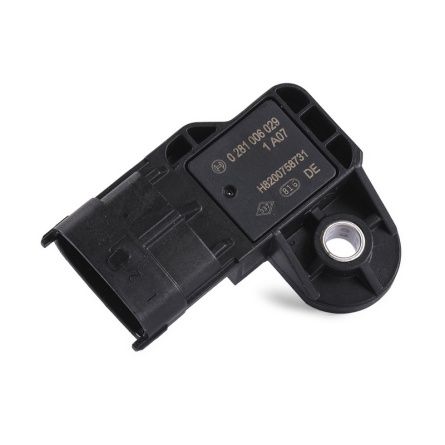
Pressure Sensor
Opel1235029$36.39 -
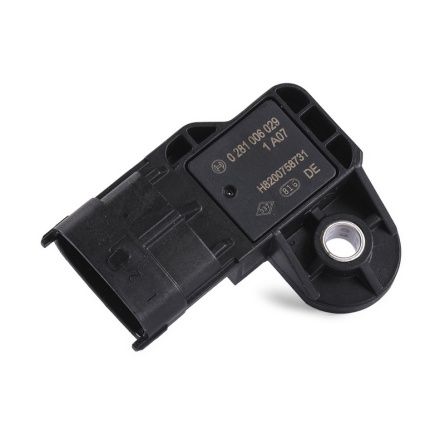
Pressure Sensor
Volvo21385453$36.39 -
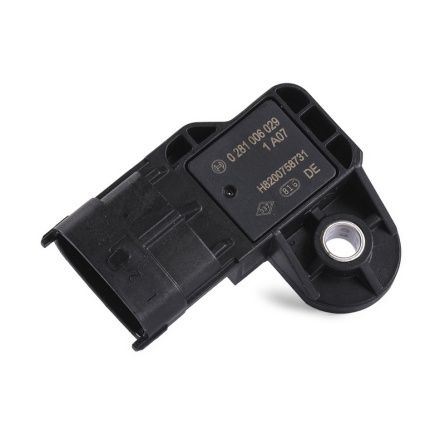
Pressure Sensor
Volvo22320906$36.39 -
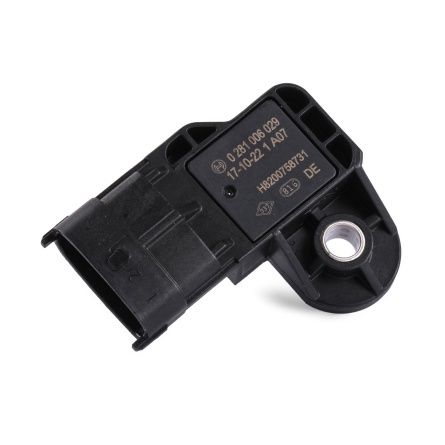
Pressure Sensor
Bosch0 261 230 281$36.39 -
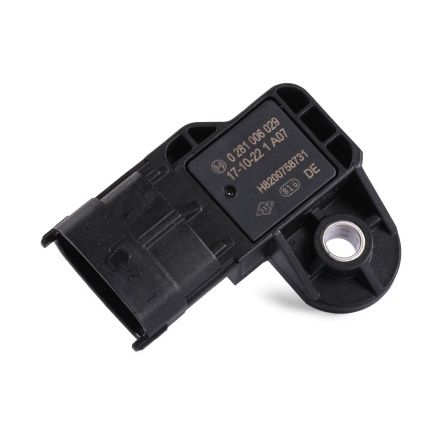
Pressure Sensor
Bosch0 281 002 437$36.39 -
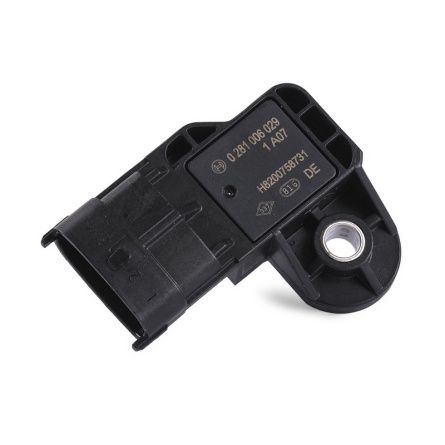
Pressure Sensor
Opel55206797$36.39 -
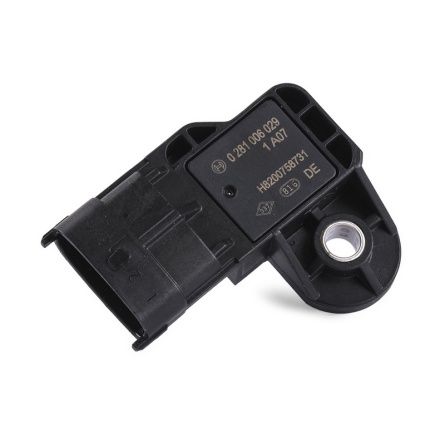
Pressure Sensor
Opel55219299$36.39 -
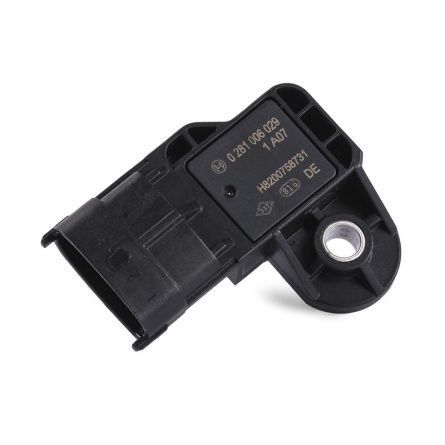
Pressure Sensor
Iveco504372225$36.39 -
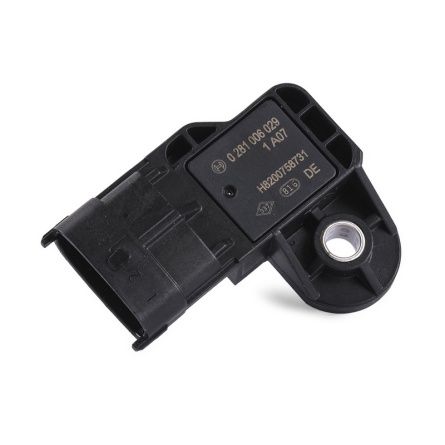
Pressure Sensor
Fiat46769978$36.39 -
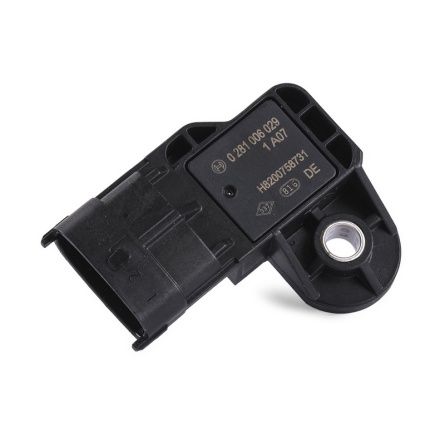
Pressure Sensor
Fiat55219296$36.39 -
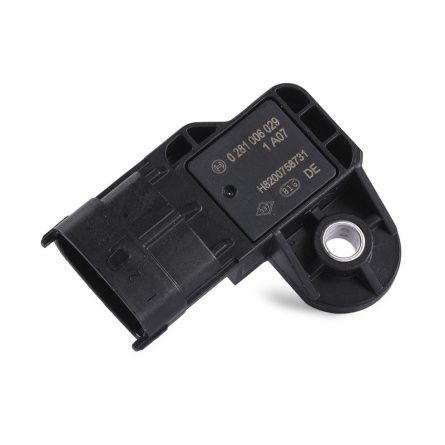
Pressure Sensor
Fiat55219298$36.39 -
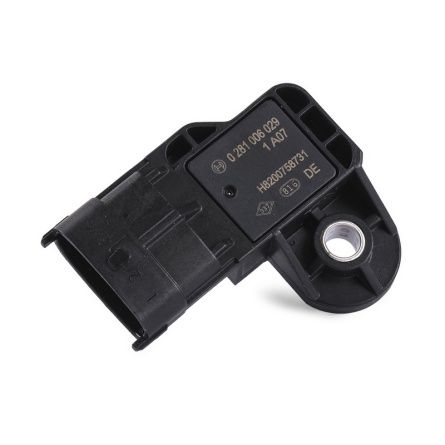
Pressure Sensor
General Motors55568175$36.39 -
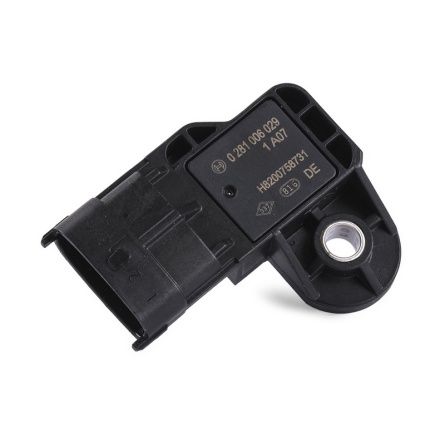
Pressure Sensor
Volvo31405340$36.39 -
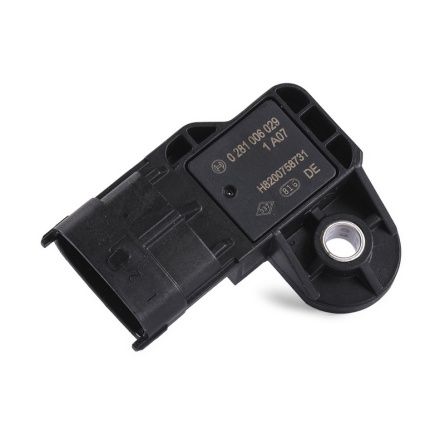
Pressure Sensor
Volvo31432308$36.39 -
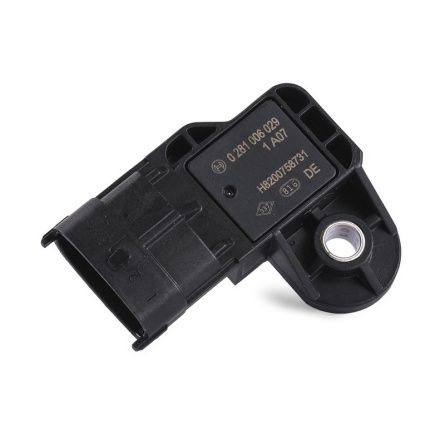
Pressure Sensor
Volvo31405341$36.39 -
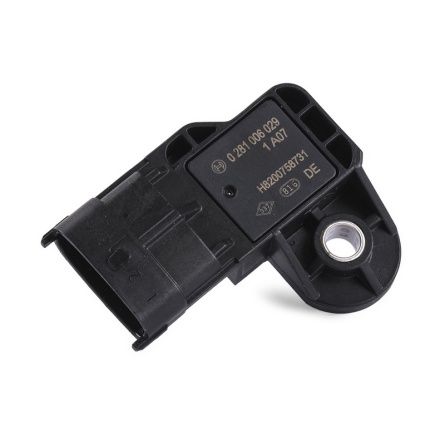
Pressure Sensor
Ford3R23-9F479-AA$36.39 -
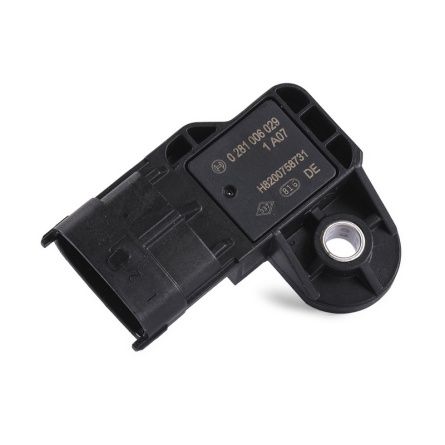
Pressure Sensor
Renault8200758731$36.39 -
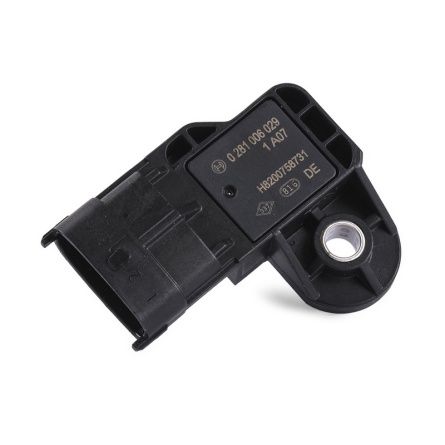
Pressure Sensor
Porsche99760618000$36.39 -
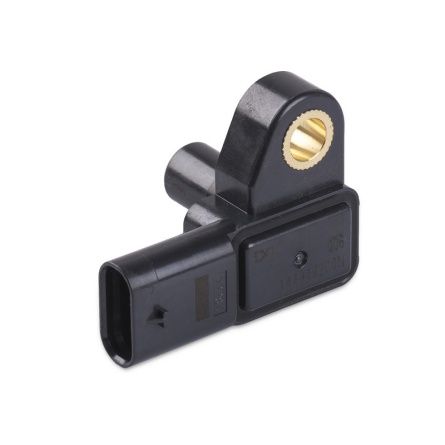
Pressure Sensor
MercedesA0091532228$31.84 -
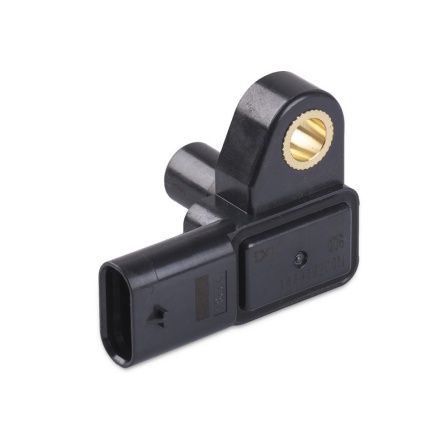
Pressure Sensor
MercedesA0081538928$31.84 -
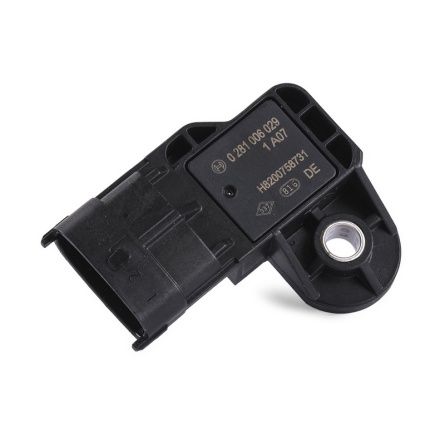
Pressure Sensor
Opel93171176$36.39
MAP sensors
In the world of modern automotive technology, the map sensor plays a crucial role in helping engines run efficiently, smoothly, and with maximum power. By accurately measuring the air pressure inside the intake manifold, this intelligent device provides essential data to the engine control unit (ECU), which determines the correct air-fuel mixture for optimal combustion. The manifold absolute pressure sensor ensures that the engine adapts instantly to changing driving conditions—delivering responsive acceleration, better fuel economy, and lower emissions. Without its accurate input, even advanced engine management systems can experience poor performance, unstable idling, and increased fuel consumption. Alongside components such as the oil pressure sensor and fuel rail pressure sensor, it forms a vital part of the engine’s monitoring network, keeping operation precise and reliable.
Understanding MAP Sensors
A manifold absolute pressure sensor (commonly known as a map sensor) measures the absolute air pressure within the intake manifold of an internal combustion engine. This information allows the ECU to calculate the exact air-fuel ratio needed for efficient combustion. Unlike older mechanical systems, modern engines depend on this electronic data to adjust fuel injection, ignition timing, and turbo boost in real time.
By monitoring manifold pressure, the sensor helps the ECU optimize performance under every condition. When pressure is low—such as during light acceleration—the ECU reduces fuel delivery to improve efficiency. Under high load or wide-open throttle, the sensor signals the system to enrich the mixture, ensuring maximum power output. The fuel rail pressure sensor works alongside it to balance fuel delivery and pressure, ensuring that the air-fuel ratio remains consistent. Together, these sensors allow the engine to operate with precision, performance, and reduced emissions.
Comparing MAP Sensors with Other Pressure Sensors
Like any electronic component, the map sensor can degrade over time due to heat, vibration, or contamination from oil mist and carbon deposits inside the intake system. These contaminants can affect the diaphragm’s accuracy and cause erratic readings that lead to rough idling, reduced power, or poor fuel economy. In some cases, a faulty oil pressure sensor or vacuum leak can create similar symptoms, which is why proper diagnostics are crucial before replacement.
To maintain performance, inspect the sensor regularly for corrosion, loose connectors, or damaged wiring. Cleaning it gently with non-residue electrical cleaner helps prevent buildup that could affect accuracy. It’s also important to ensure the intake system is sealed properly to prevent false pressure readings. If voltage signals remain inconsistent or diagnostic scans show out-of-range pressure data, replacing the map sensor is often the best solution. Regular maintenance prevents misfires, saves fuel, and extends the engine’s life.
Common Issues and Maintenance Tips for MAP Sensors
Selecting the correct map sensor for your vehicle requires careful attention to compatibility, performance, and reliability. Each sensor is designed for a specific pressure range and connector type, so using the wrong part can lead to inaccurate data and poor ECU calibration. Always check the OEM (Original Equipment Manufacturer) number and compare specifications before purchase. Similarly, the fuel rail pressure sensor must match the fuel system’s required pressure range, and the oil pressure sensor should be rated for the engine’s lubrication pressure to ensure accurate readings.
When choosing a replacement, focus on build quality—high-grade materials and proper sealing resist heat, vibration, and fuel vapor exposure. For turbocharged engines, select sensors rated for higher boost levels. Trusted brands and OEM-grade parts guarantee accurate performance and long-term reliability. Before installation, confirm that the sensor connector and O-ring are secure and the intake manifold is clean.
Choosing the Right MAP Sensor for Your Vehicle
Accurate sensor data is the foundation of modern engine management. The map sensor provides the ECU with pressure information needed for precise combustion, the fuel rail pressure sensor ensures the right fuel delivery, and the oil pressure sensor protects the engine from lubrication failure. Together, these components create a complete feedback system that allows the ECU to maintain balance, efficiency, and performance. When they function correctly, the result is a smoother-running engine, lower emissions, and improved fuel economy—proof that even the smallest sensors play a big role in modern automotive engineering.