
Washer pumps
-
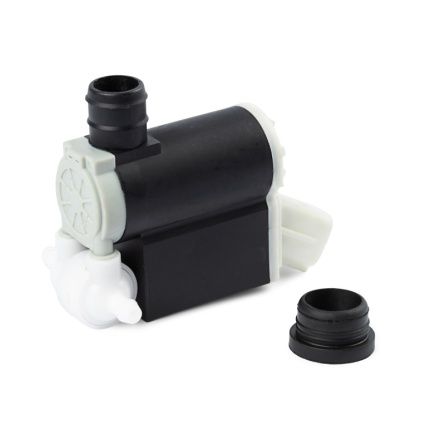
Washer pump
Hyundai / KIA98510-M4000$27.29 -
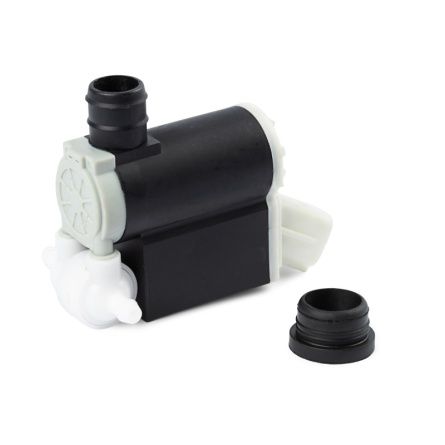
Washer pump
Hyundai / KIA98510-1C100$27.29 -
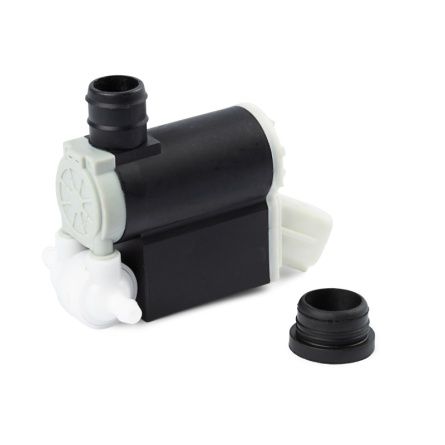
Washer pump
Hyundai / KIA98510-2J000$27.29 -
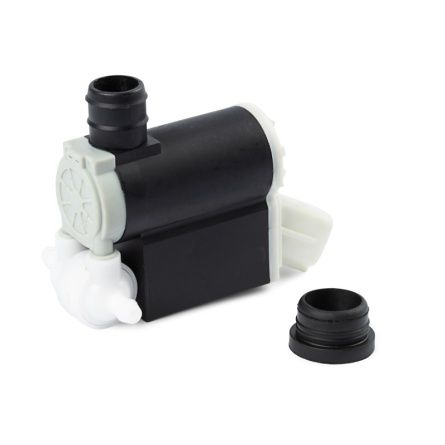
Washer pump
Hyundai / KIA98510-2K000$27.29 -

Washer pump
Hyundai / KIA98510-3E000$27.29 -
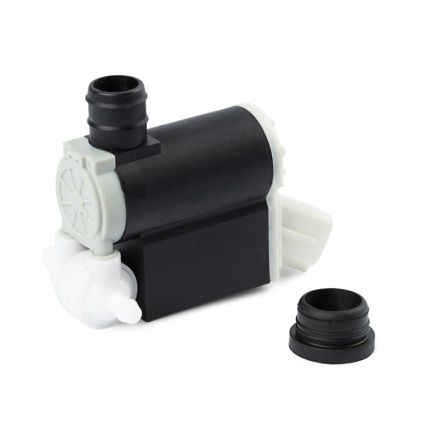
Washer pump
Hyundai / KIA98510-FD100$27.29 -
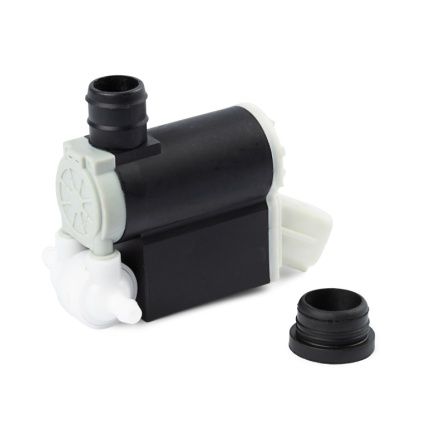
Washer pump
Hyundai / KIA98510-G5000$27.29 -
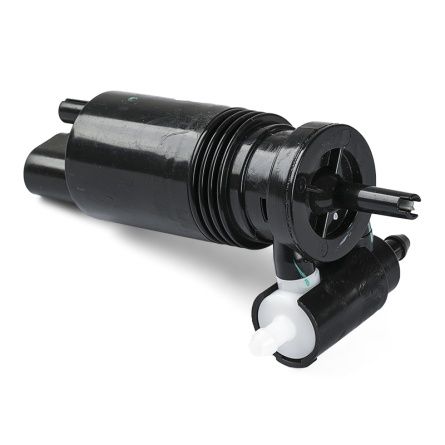
Washer Pump
MercedesA2048660521$31.84 -
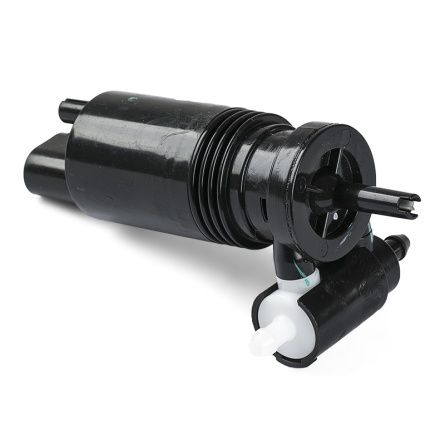
Washer Pump
MercedesA1778660000$31.84 -
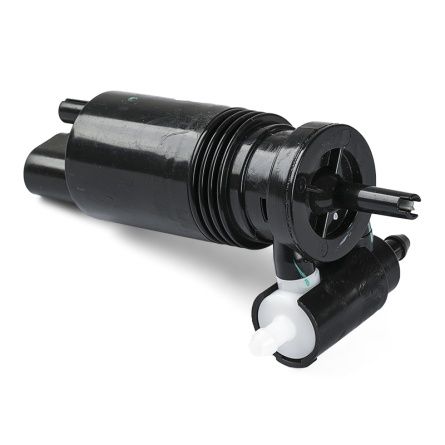
Washer Pump
MercedesA0008690400$31.84 -
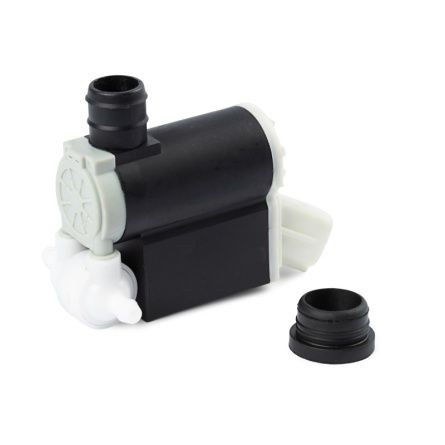
Washer Pump
Hyundai / KIA98510-1F100$27.29 -
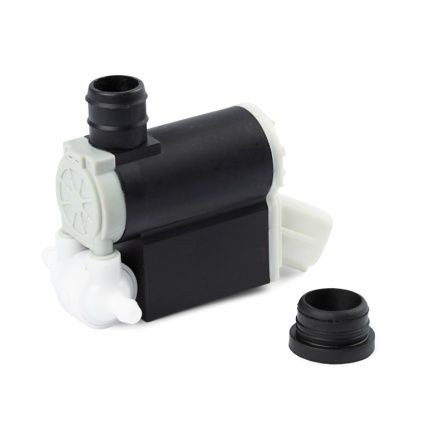
Washer Pump
Hyundai / KIA98510-4D000$27.29 -
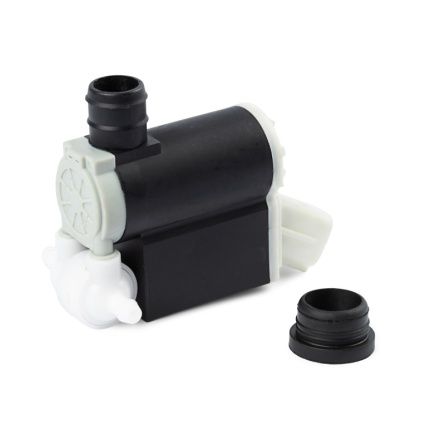
Washer Pump
Hyundai / KIA98510-2V100$27.29 -
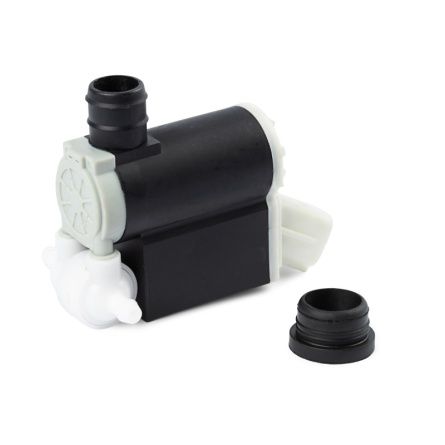
Washer Pump
Hyundai / KIA98510-G6000$27.29 -
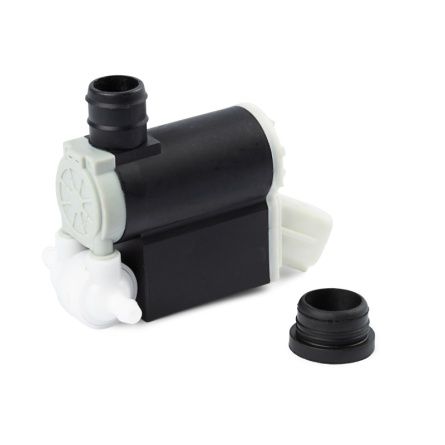
Washer Pump
Hyundai / KIA98510-0X100$27.29 -
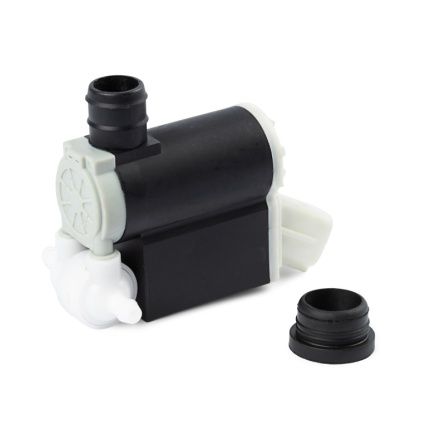
Washer Pump
Hyundai / KIA98510-2L100$27.29 -
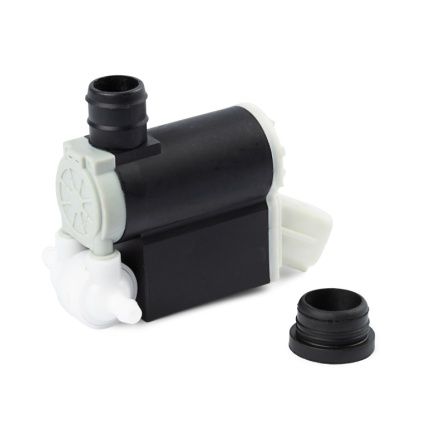
Washer Pump
Hyundai / KIA98510-2C100$27.29 -
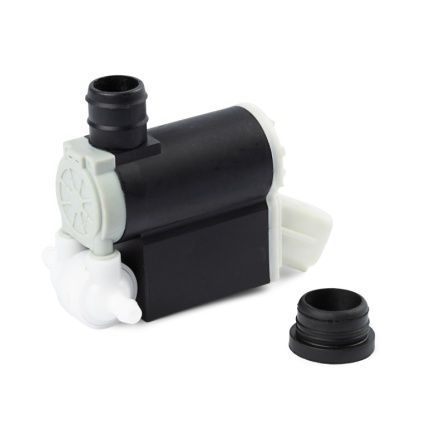
Washer Pump
Hyundai / KIA98510-25100$27.29 -
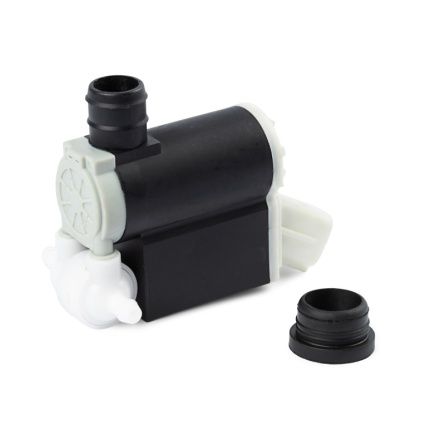
Washer Pump
Hyundai / KIA98510-1H100$27.29 -
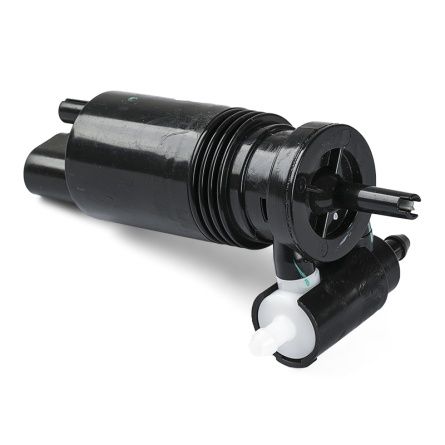
Washer Pump
MercedesA2468660000$31.84 -
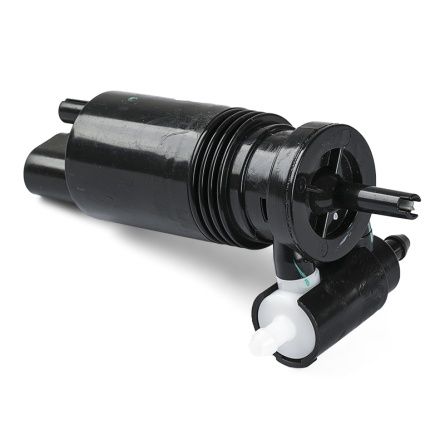
Washer Pump
MercedesA2318660021$31.84
Washer pumps
In the fast-paced world of driving, where visibility can change in an instant, windshield washer pumps play a far more important role than most drivers realize. These small but powerful components ensure that your windshield stays clear of dirt, mud, salt, and debris—providing the visibility you need to drive safely and confidently in any weather. Whether you’re facing a dusty summer road or a slushy winter morning, a reliable washer pump delivers the right amount of cleaning fluid exactly when it’s needed. As a result, this often-overlooked part becomes a key player in maintaining safety, comfort, and convenience behind the wheel. Understanding how washer pumps work, as well as the different types and applications available, reveals just how essential they are to every journey.
Understanding Windshield Washer Pumps
Windshield washer pumps are compact yet essential components of a vehicle’s cleaning system, designed to deliver washer fluid from the reservoir to the windshield nozzles with precision and pressure. Their main task is to ensure that drivers always have a clear, unobstructed view of the road, regardless of weather or driving conditions. When activated, the pump sends a steady stream of cleaning fluid onto the windshield, helping to remove dust, mud, insects, and road grime that can quickly build up and impair visibility.
By maintaining a clean windshield, washer pumps directly contribute to safer driving—especially during heavy rain, snow, or when glare from oncoming headlights makes it harder to see. A properly functioning pump ensures that wiper blades can do their job effectively, preventing streaks or smudges that could obscure the driver’s line of sight. In essence, while small in size, the washer pump plays a big role in overall road safety, helping drivers react quickly and confidently to whatever lies ahead.
The Functionality of Washer Fluid Pumps
A washer fluid pump operates through a simple yet highly effective mechanism that combines electrical and hydraulic functions to deliver cleaning fluid precisely when it’s needed. When the driver activates the washer system, an electrical signal is sent to the pump motor, which spins a small impeller inside the unit. This impeller draws the washer fluid from the reservoir and pushes it through the hoses toward the spray nozzles located on the windshield—or, in some vehicles, on the headlights and rear window as well. The result is a fine, even mist of fluid that helps loosen dirt and debris before the wipers sweep it away, leaving the glass clear and streak-free.
The efficiency of a washer fluid pump is critical to maintaining proper visibility, especially in challenging conditions like muddy roads, salt-covered winter streets, or dusty environments. A high-quality pump ensures consistent fluid pressure and smooth operation, preventing weak spray patterns or uneven distribution that can compromise cleaning performance. Regularly checking the pump’s condition, keeping the reservoir clean, and using proper cleaning solutions instead of plain water can greatly extend its lifespan.
Headlight Washer Pumps: An Overview
A headlight washer pump serves a specialized yet highly valuable purpose in modern vehicles by ensuring that headlights remain clean and fully functional, especially in adverse weather conditions. These pumps operate similarly to windshield washer units but are dedicated to delivering cleaning fluid directly to the headlights through high-pressure jets. When activated—often automatically when the headlights and windshield washers are used together—the pump sprays fluid onto the lens surface, removing dirt, mud, and salt that can reduce light output.
Clean headlights are essential for maintaining optimal visibility at night and in poor weather. Even a thin layer of grime can scatter light and diminish the beam’s reach, making it harder for drivers to see ahead. By keeping the headlight lenses clear, a headlight washer pump helps preserve the brightness and accuracy of modern lighting systems such as xenon, LED, or adaptive headlights. This not only improves safety but also prevents long-term wear, helping expensive headlight assemblies stay clear and efficient.
Choosing the Right Washer Pump for Your Vehicle
Choosing the right washer pump requires careful consideration of several factors, including vehicle type, usage conditions, and system compatibility. Start by checking your vehicle’s make, model, and year—different manufacturers use specific configurations, voltage ratings, and connector types. For vehicles equipped with headlight cleaning systems or rear wipers, a dual-outlet or dedicated pump may be required.
Drivers in colder climates should choose pumps made of durable, freeze-resistant materials that can handle low temperatures and washer fluids with antifreeze additives. For off-road or heavy-duty vehicles, select a pump designed for higher pressure and dirt resistance. Proper compatibility ensures optimal performance—too weak and cleaning suffers, too strong and hoses or nozzles can be damaged.
Finally, proper installation and regular maintenance are key. Ensure electrical connections are secure, the reservoir is clean, and only approved washer fluids are used. With the right choice and care, washer pumps provide long-lasting reliability, clear visibility, and safer driving in all conditions.