
Central displays
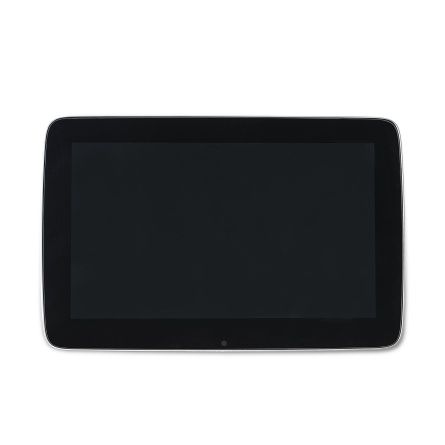
Monitors, displays
In today’s rapidly advancing world of technology, monitors and displays have evolved far beyond their original purpose — transforming from simple output screens into intelligent, multifunctional interfaces that shape how we work, communicate, and experience the digital realm. From high-resolution computer monitors and touchscreen displays to vehicle dashboard screens, industrial control panels, and medical imaging systems, these innovations have become the visual heartbeat of modern life. They not only present information with stunning clarity but also enable interaction, precision, and real-time control across countless industries. The evolution of monitors and displays perfectly illustrates how technology continues to redefine human experience — turning every screen into a window to innovation, performance, and limitless possibility.
Innovative Car Infotainment Screens
In 2024–2025, the automotive world is undergoing a true revolution inside the cockpit. The modern car infotainment screen has become a central hub for connectivity, control, and comfort, evolving far beyond its original purpose as a simple interface. From ultra-wide OLED and Mini-LED panels to augmented reality head-up displays and connected platforms like Android Automotive or next-generation Apple CarPlay, these systems redefine how drivers interact with their vehicles. The result is an experience that is faster, safer, more intuitive, and constantly evolving through over-the-air updates. This digital transformation is not just a matter of convenience — it reflects a broader integration of technology and human-centered design.
Modern display technology marks a new chapter in vehicle design. OLED and Mini-LED screens now deliver higher contrast, deeper blacks, and superior sunlight visibility, while manufacturers experiment with panoramic and curved layouts that stretch across the entire dashboard. These innovative designs enhance ergonomics, reduce glare, and provide a sense of technological sophistication that complements both functionality and aesthetics. Adaptive brightness and dynamic contrast settings further ensure visibility in any condition, turning every trip into a seamless digital experience.
Equally groundbreaking are augmented reality head-up displays, which project 3D navigation cues, speed indicators, and driver assistance visuals directly onto the windshield. Instead of glancing down at the instrument cluster, the driver now sees vital information aligned with real-world objects on the road. BMW’s upcoming Neue Klasse models will feature a full-width AR-HUD in late 2025, setting a new benchmark for immersive driving experiences. This technology not only improves reaction times but also contributes to a new level of safety and comfort behind the wheel.
Passenger-focused systems are also evolving rapidly. Hyper- and super-screens such as Mercedes’ MBUX Hyperscreen combine several displays under a single piece of curved glass, creating a seamless and elegant interface. These intelligent surfaces adapt to user behavior, offering contextual menus, personalized shortcuts, and entertainment zones for passengers. The result is a cleaner and more intuitive environment that minimizes distraction and maximizes comfort. Integration with ambient lighting and gesture control systems adds an emotional and futuristic touch to every drive.
Software platforms are becoming just as important as hardware. Android Automotive OS, branded as “Google built-in,” allows vehicles to receive ongoing updates, add new apps, and refine interfaces long after purchase. Similarly, the next generation of Apple CarPlay, called CarPlay Ultra, expands its presence across every in-car display. It takes control of key vehicle functions such as radio, climate settings, and system widgets, delivering a seamless experience between smartphone and vehicle. The first production models, including Aston Martin, will debut this advanced version in 2025, demonstrating how digital ecosystems now shape the evolution of automotive technology.
Manufacturers are also merging infotainment and driver-assistance domains to improve performance and coordination between systems. By using unified computing platforms powered by processors like Snapdragon Ride Flex or NVIDIA DRIVE, automakers can achieve faster startup times, smoother 3D graphics, and synchronized data between ADAS sensors and infotainment displays. This integration ensures that both entertainment and safety information work together in real time, creating a unified and intelligent driving experience.
The advantages of these new infotainment systems are significant. Augmented reality navigation reduces driver distraction by keeping key information in direct view, while OLED and Mini-LED panels enhance readability in all lighting conditions. Continuous over-the-air updates extend the digital lifespan of vehicles, adding new apps and features that make the car smarter over time. Seamless smartphone connectivity through CarPlay Ultra or Google built-in provides instant access to navigation, communication, and entertainment services without switching devices. Meanwhile, next-generation processors ensure that every interaction feels fluid and natural, eliminating lag or stutter common in earlier systems.
Examples of these advancements can already be seen across leading brands. BMW’s upcoming iDrive platform introduces a panoramic AR-HUD and haptic steering controls designed for total driver focus. Mercedes’ MBUX Hyperscreen blends artificial intelligence with user behavior analysis to predict driver needs and offer adaptive suggestions. Vehicles with Google built-in feature the full suite of Google apps and voice assistance, while Apple’s CarPlay Ultra brings a unified experience across multiple screens, extending smartphone logic to every corner of the cabin.
When evaluating or choosing a modern infotainment system, several factors matter most: display clarity and anti-reflective properties, reliable OTA support, a rich app ecosystem, and ergonomic interface design that keeps critical data in the driver’s natural line of sight. Hardware quality also plays a vital role, as newer chipsets guarantee long-term performance and compatibility with future updates. For drivers and manufacturers alike, these aspects define the next generation of connected mobility.
In essence, today’s infotainment displays represent far more than visual upgrades — they embody the fusion of technology, comfort, and connectivity that defines the next era of driving. Constantly updated, deeply personalized, and seamlessly integrated with digital ecosystems, these systems transform the cockpit into a living interface. They reduce distractions, enhance safety, and create a unique driving environment where innovation meets human experience. The future of automotive design is not only about powerful engines or advanced sensors — it is equally about intelligent displays that bring every journey to life.
Dashboard Display Screen Technology
In today’s automotive industry, the dashboard display screen has evolved from a simple instrument cluster into a sophisticated digital command center that defines the modern driving experience. These advanced screens now serve as the visual and interactive core of the vehicle, combining design, smart functionality, and intuitive control to enhance both safety and comfort behind the wheel. Far from being decorative elements, dashboard displays have become essential tools that help drivers stay informed, connected, and in control at all times. The shift from analog to digital has turned the dashboard into a living surface — one that communicates in real time with both the driver and the vehicle’s control systems.
The design of contemporary dashboard displays reflects a seamless blend of aesthetics and ergonomics. Automakers strive to create layouts that are visually appealing yet easy to read and operate under any driving condition. Large, high-resolution clusters and center screens often feature curved surfaces, ambient lighting, and minimalist interfaces that reduce clutter and distraction. Many brands use customizable layouts, allowing drivers to personalize their view with preferred information such as navigation, performance data, or driver assistance indicators. This combination of design and adaptability makes the dashboard both functional and elegant.
Functionality lies at the heart of modern dashboard displays. Instead of relying solely on analog gauges, today’s systems integrate multiple data sources into a cohesive interface. Digital instrument clusters now display speed, fuel level, range, and tire pressure alongside navigation maps, safety alerts, and infotainment controls. Some vehicles even include augmented reality graphics that project guidance arrows or hazard warnings directly in the driver’s line of sight. Touch-sensitive controls, haptic feedback, and voice commands further enhance usability, enabling drivers to interact safely and efficiently.
The contribution of dashboard displays to driving safety cannot be overstated. By centralizing key information within the driver’s natural field of view, they minimize the need to glance away from the road. Features such as adaptive warnings, lane-departure indicators, and real-time sensor feedback help drivers anticipate potential hazards. Integration with ADAS allows the display to visualize objects detected by cameras and radar, providing an intuitive overview of the surrounding environment. This constant visual feedback improves awareness and reaction time, making every journey safer.
Comfort and convenience are equally enhanced by these intelligent systems. Drivers can control climate, entertainment, and navigation through the central screen or voice assistants, reducing the need for physical buttons. High-definition displays with smooth animations create a premium, smartphone-like experience. Many dashboards now support multi-zone functionality, giving passengers their own controls, while ambient display themes adapt to driving modes — for instance, calming tones for night driving or performance colors for sport modes.
In essence, dashboard displays have redefined the relationship between driver and vehicle. They merge technology, safety, and design into a single, cohesive interface that transforms every moment on the road. What once was a simple cluster of dials has evolved into an intelligent digital cockpit that informs, protects, and personalizes. As automotive technology continues to advance, dashboard displays will remain at the heart of this evolution — guiding the future of mobility through clarity, connectivity, and comfort.
OEM Touch Screen Displays: The Standard in Vehicles
In the modern automotive industry, the OEM touch screen display has become one of the most influential elements shaping both the design and functionality of vehicles. These factory-installed systems go far beyond basic visual interfaces — they represent the fusion of cutting-edge technology, personalization, and precision that defines contemporary automotive design. As core components of infotainment systems, OEM touchscreens provide drivers and passengers with intuitive access to vehicle functions while elevating the overall sophistication of the interior.
The importance of OEM touchscreens lies in their seamless integration with the vehicle’s design and architecture. Unlike aftermarket displays, OEM screens are developed specifically for each model, ensuring perfect alignment with the dashboard, console, and interior styling. Their dimensions and layout are calibrated to match the car’s ergonomics, allowing for natural, distraction-free interaction. This level of engineering enhances both usability and premium perception, where every visual and tactile detail contributes to a refined driving environment.
Personalization has become one of the defining strengths of modern OEM touchscreen technology. Many manufacturers now design interfaces that adapt to user preferences, enabling customization of layouts, colors, and quick-access menus. Drivers can prioritize navigation, climate control, or performance metrics according to their needs. Some systems even store driver profiles, adjusting seat position, lighting, and temperature automatically. This level of individualization transforms the vehicle into a truly digital personal space.
From an aesthetic standpoint, OEM touchscreens shape the vehicle’s interior identity. As physical buttons fade away, the display itself becomes the visual centerpiece, setting the tone for the cabin’s design language. Slim bezels, curved glass, and vivid panels with deep contrast create a premium, futuristic feel. Integrated haptic feedback and ambient lighting effects further enhance the sense of quality and innovation. Many automakers are now experimenting with panoramic displays that unite driver and passenger zones into one continuous, visually striking surface.
Functionally, OEM touchscreen systems consolidate multiple vehicle operations into one intuitive platform. Navigation, entertainment, climate, and safety features are all controlled from a single screen. Advanced haptic response and multi-touch gestures make interaction smooth, while voice control ensures hands-free operation. Over-the-air software updates continuously enhance these systems, keeping them compatible with new apps and connected services. This ensures that vehicles remain as technologically relevant years after purchase as they were on day one.
In conclusion, OEM touchscreens have transformed the driving experience into an intelligent, interactive dialogue between human and machine. They represent the perfect balance of aesthetics, innovation, and personalization — turning every journey into a seamless fusion of technology and design. By redefining how drivers interact with their vehicles, these displays improve convenience, safety, and connection, setting the visual and emotional tone for the future of automotive interiors.