
Leveling sensors
-
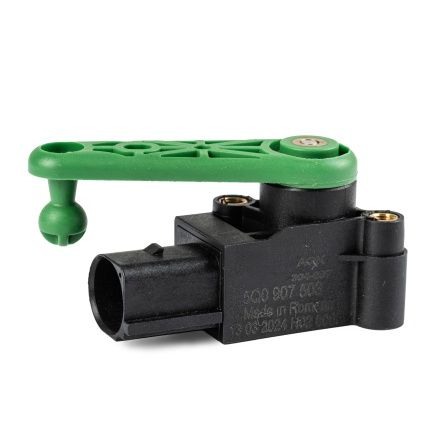
Leveling Sensor
Volkswagen7LA941274A$63.69 -
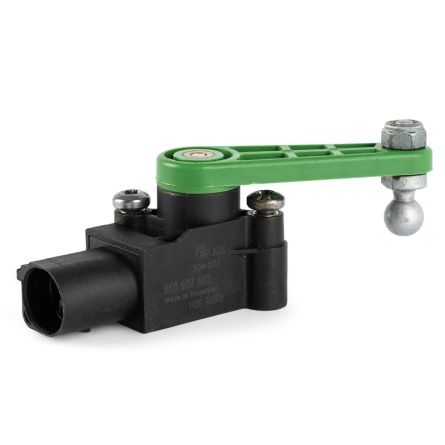
Leveling Sensor
Volkswagen7P0616214$54.59 -
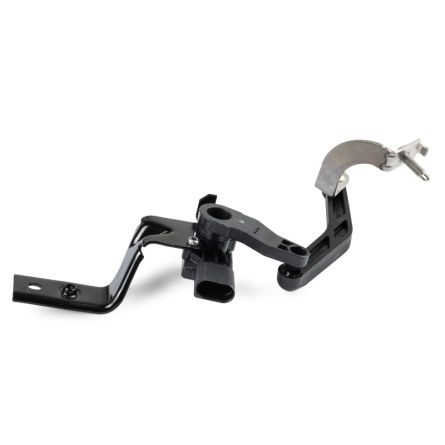
Leveling Sensor
Volkswagen5WA412521D$90.99 -
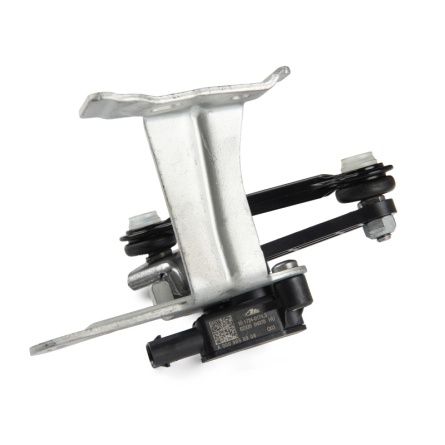
Turning Angle Sensor
MercedesA2473205400$72.79 -
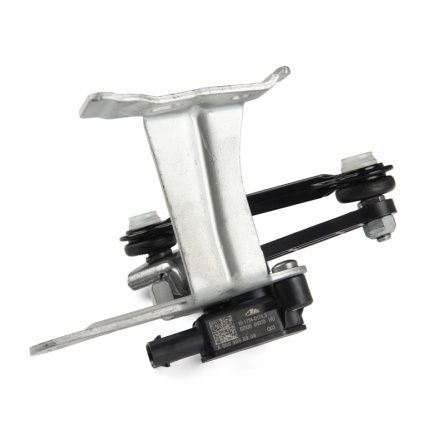
Turning Angle Sensor
MercedesA2473204804$72.79 -
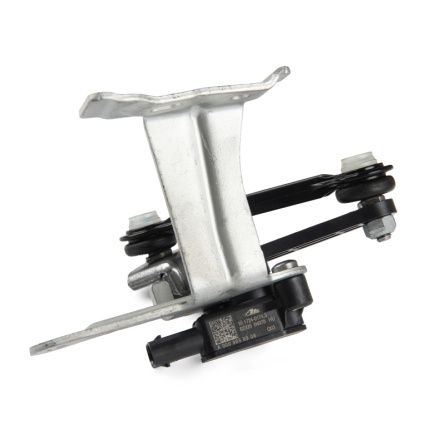
Turning Angle Sensor
MercedesA2473204504$72.79 -
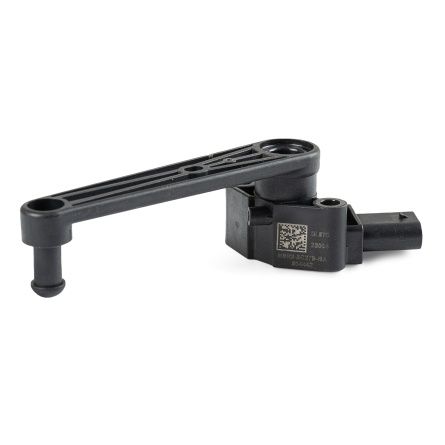
Leveling Sensor
Land RoverM9R3-3C279-AA$45.49 -
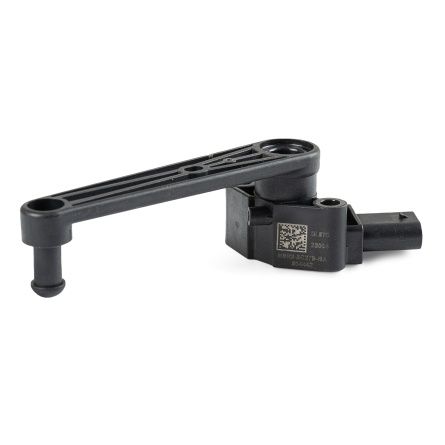
Leveling Sensor
Land RoverM9R3-C3279-CA$45.49 -
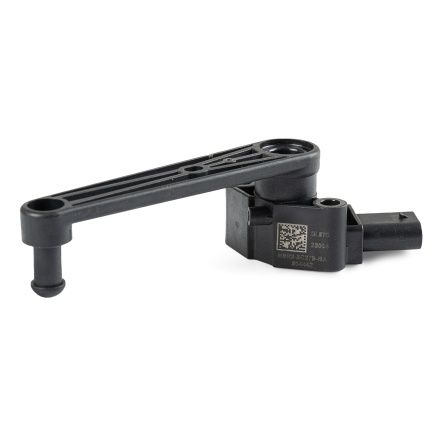
Leveling Sensor
Land RoverM9R3-3C279-CA$45.49 -
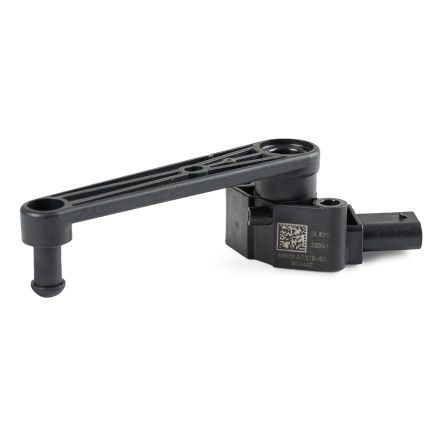
Leveling Sensor
Land RoverLR153354$45.49 -
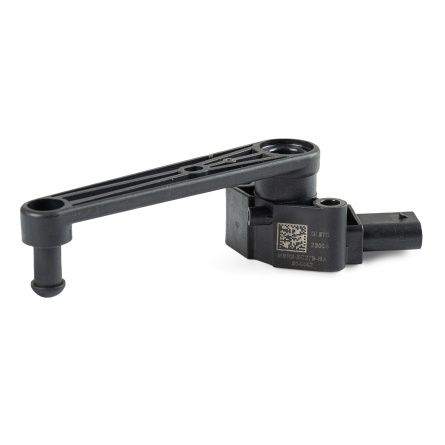
Leveling Sensor
Land RoverLR175622$45.49 -
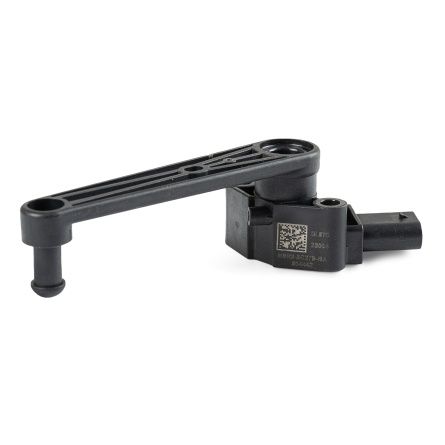
Leveling Sensor
Land RoverLR153357$45.49 -
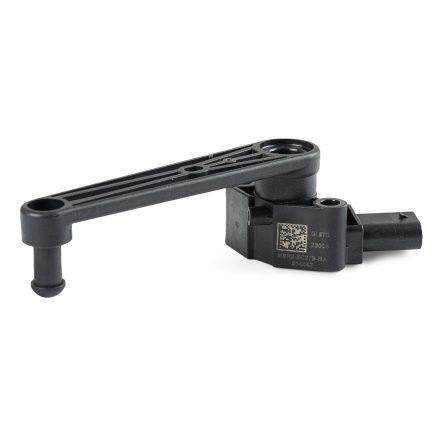
Leveling Sensor
Land RoverM9R3-3C279-AB$45.49 -
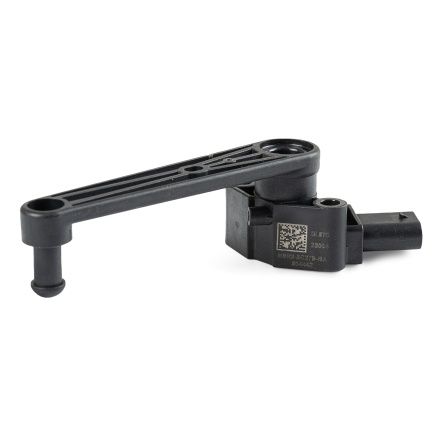
Leveling Sensor
Land RoverM9R3-3C279-BA$45.49 -
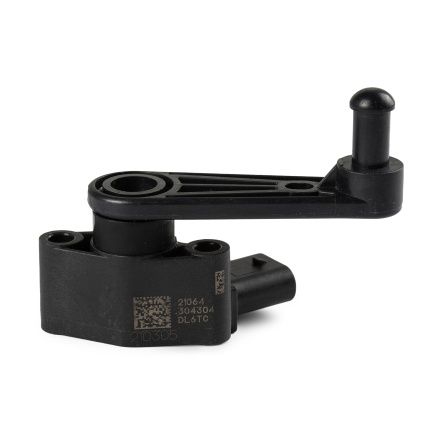
Leveling Sensor
Land RoverLR141768$45.49 -
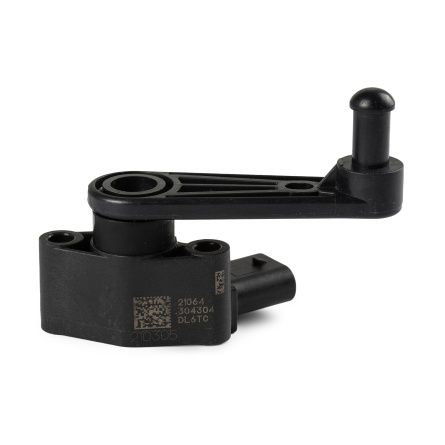
Leveling Sensor
JLRL8A2-3C279-AA$45.49 -
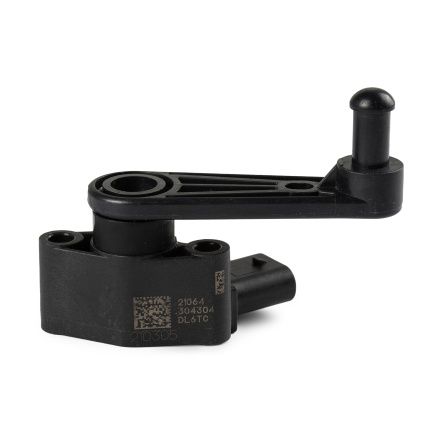
Leveling Sensor
JLRL8A2-3C279-AB$45.49 -
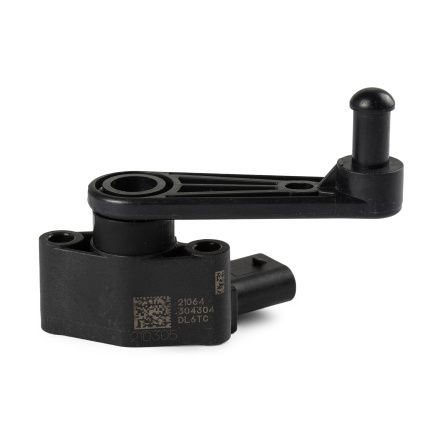
Leveling Sensor
Land RoverLR178369$45.49 -
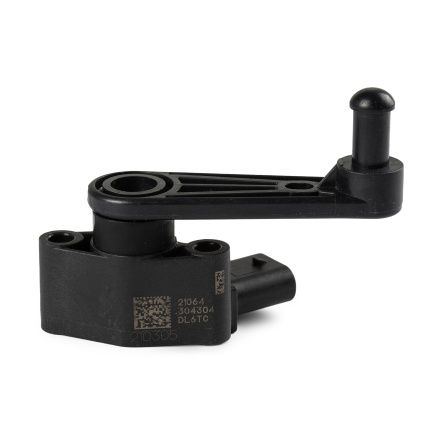
Leveling Sensor
Land RoverLR141762$45.49 -
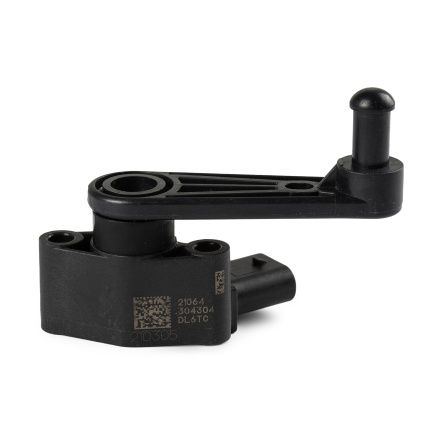
Leveling Sensor
JLRL8A2-3C280-AA$45.49 -
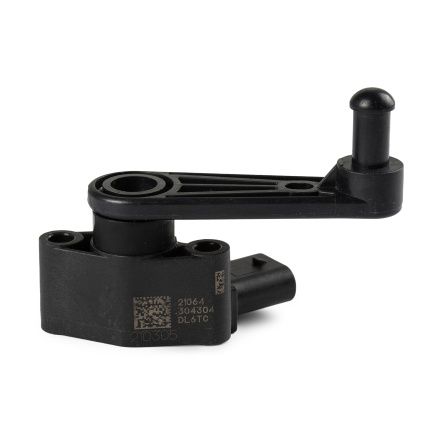
Leveling Sensor
Land RoverLR178371$45.49 -
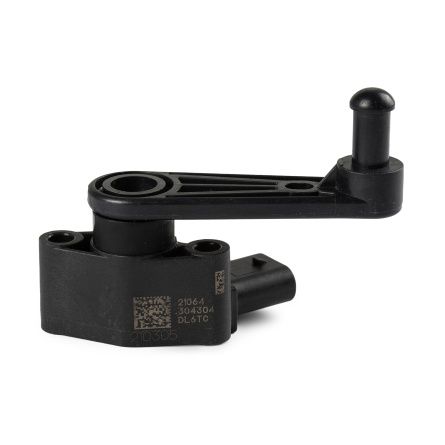
Leveling Sensor
JLRL8A2-3C280-AB$45.49 -
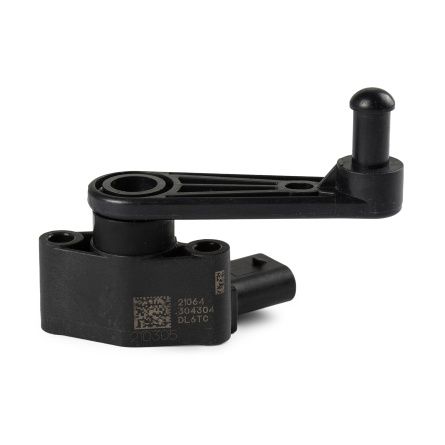
Leveling Sensor
Land RoverR9C3-3C280-AA$45.49 -
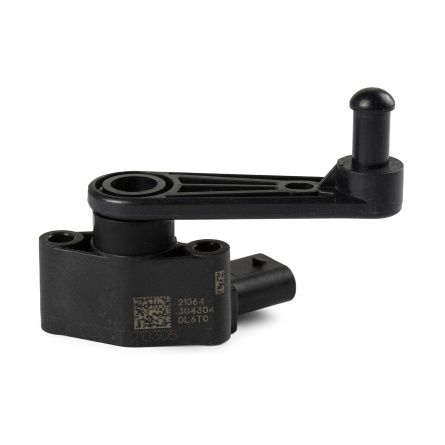
Leveling Sensor
Land RoverLR114545$45.49 -
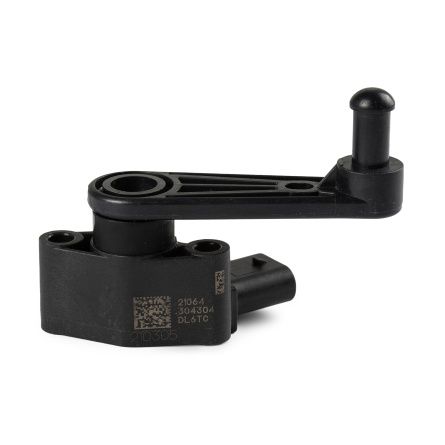
Leveling Sensor
Land RoverLR114543$45.49 -
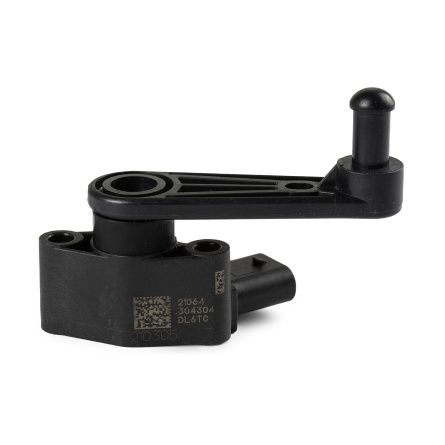
Leveling Sensor
Land RoverR8D2-3C279-AA$45.49 -
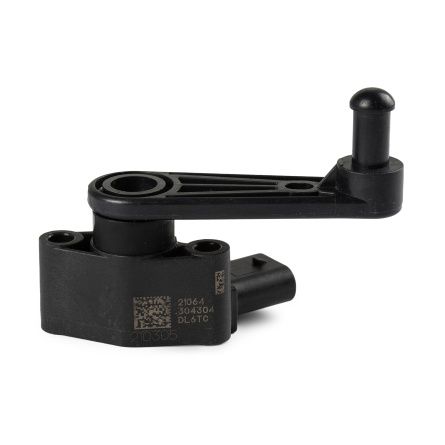
Leveling Sensor
Land RoverR8D2-3C280-AA$45.49 -
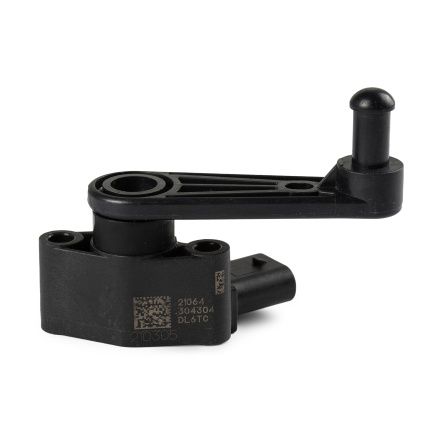
Leveling Sensor
Land RoverLR114546$45.49 -
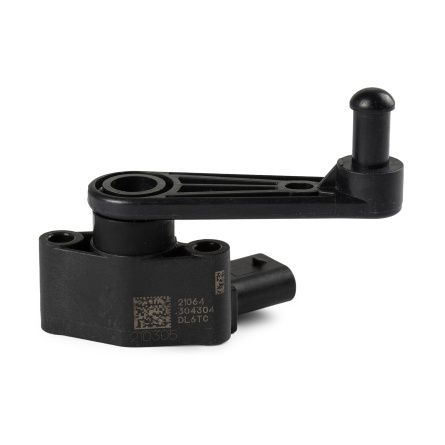
Leveling Sensor
Land RoverJ9C3-3C097-AA$45.49 -
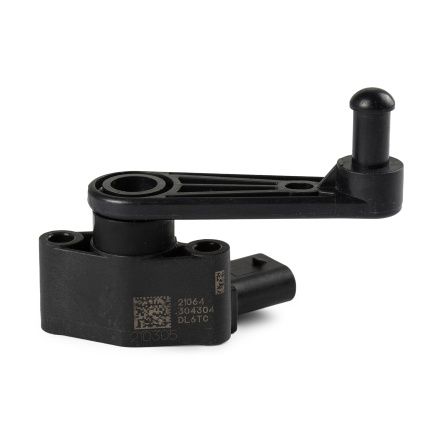
Leveling Sensor
JaguarT2H58352$45.49 -
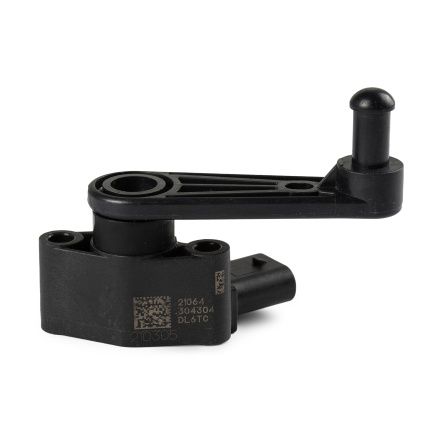
Leveling Sensor
JaguarJ9D3-3C279-AA$45.49 -
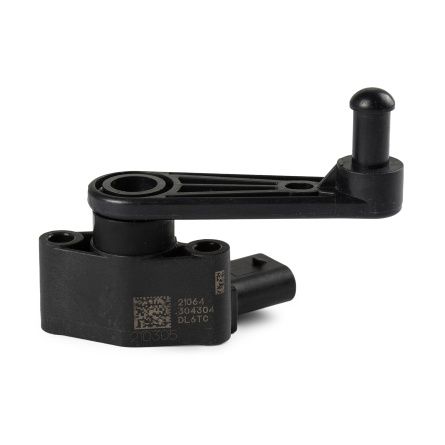
Leveling Sensor
JaguarT4A40679$45.49 -
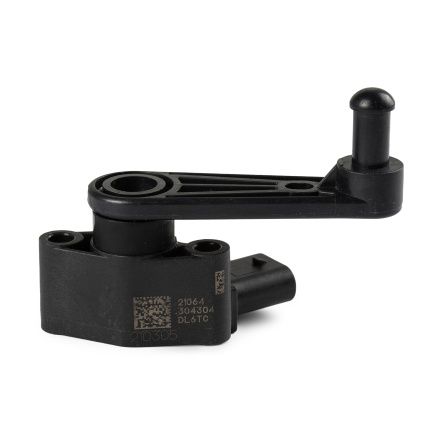
Leveling Sensor
JaguarT2H58351$45.49 -
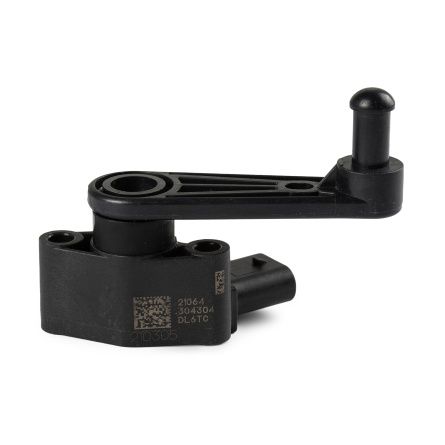
Leveling Sensor
JaguarT4A40681$45.49 -
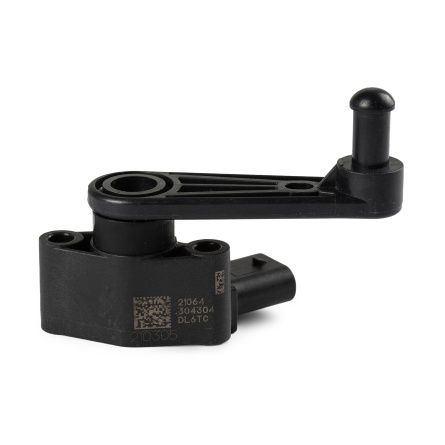
Leveling Sensor
JaguarT4K1581$45.49 -
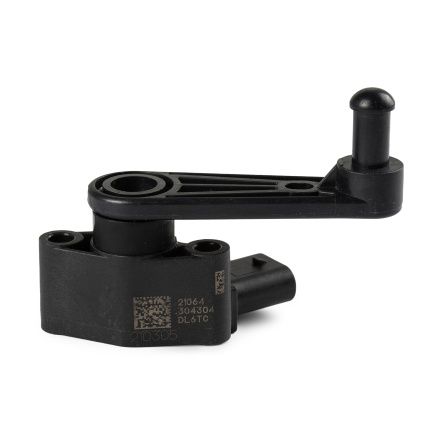
Leveling Sensor
JaguarT4K20045$45.49
Leveling sensors
In the world of modern automotive engineering, leveling sensors have become an essential part of vehicle precision, comfort, and safety. These intelligent devices continuously monitor and adjust the vehicle’s height or angle, ensuring optimal balance, visibility, and performance under all driving conditions. Whether used in adaptive headlight systems to maintain perfect beam alignment, in air suspension setups for ride height control, or in advanced stability systems that enhance handling and comfort, leveling sensors play a vital role in making today’s vehicles smarter and more responsive. Their ability to adapt in real time not only improves driving dynamics but also extends component life and enhances passenger safety—proving that even the smallest sensors can make a major difference in the overall driving experience.
Understanding Ride Height Sensors
A ride height sensor, sometimes referred to as a suspension height sensor, is a precision electronic component designed to measure the distance between a vehicle’s chassis and its axles or wheels. Its main function is to monitor and regulate the suspension level, ensuring the vehicle remains stable, balanced, and comfortable regardless of road conditions or load weight.
In practical terms, each ride height sensor continuously sends real-time data to the vehicle’s electronic control unit (ECU). When the ECU detects that the vehicle’s height has deviated from the optimal level—such as when carrying heavy cargo or driving over uneven terrain—it automatically adjusts the suspension system. In vehicles equipped with air or adaptive suspension, this adjustment is achieved by inflating or deflating air springs or modifying damping characteristics, allowing the car to maintain its designed ride height and stability. By doing so, these sensors not only enhance comfort but also improve handling, braking efficiency, and headlight alignment. They prevent excessive body roll, uneven tire wear, and reduced visibility caused by incorrect beam angles. In luxury and off-road models, the suspension height sensor becomes essential for automatic leveling, off-road height adjustment, and improved aerodynamics at higher speeds.
The Role of Suspension Height Sensors
A suspension height sensor allows vehicles to adapt seamlessly to varying road and driving conditions, ensuring both comfort and performance at all times. By constantly monitoring the distance between the chassis and wheels, it enables the suspension control system to react instantly to changes in load, terrain, or speed. This adaptive capability enhances ride comfort, stability, and traction.
When driving on rough or uneven terrain, the system increases ground clearance to prevent underbody damage and maintain control. Conversely, during high-speed driving on smooth roads, the suspension height sensor helps lower the stance to improve aerodynamics, fuel efficiency, and handling precision. These sensors also maintain a balanced ride even when the vehicle is fully loaded, preventing the rear from sagging or the front from lifting—conditions that can reduce braking performance and misalign headlights. Beyond comfort and performance, the technology prolongs suspension life by evenly distributing forces across components, minimizing strain on shock absorbers, springs, and joints.
Headlight Leveling Sensors: Enhancing Visibility
The headlight leveling sensor plays a vital role in modern vehicle safety by ensuring that headlights always project light at the correct angle, regardless of how the vehicle is loaded or positioned. These intelligent devices monitor the vehicle’s pitch—its front-to-rear angle—and automatically adjust the headlight beam to maintain proper road illumination. By doing so, they prevent glare for oncoming drivers and guarantee consistent visibility in all conditions.
Mounted near the suspension or chassis, the headlight leveling sensor measures the car’s height and sends data to the headlight control unit, which adjusts beam position accordingly. In adaptive systems, the adjustment occurs in real time as the vehicle accelerates, brakes, or drives over uneven surfaces. Properly leveled headlights not only reduce eye strain but also improve reaction time, obstacle detection, and nighttime visibility—especially in rain or fog.
Auto Leveling Sensors in Modern Vehicles
An auto leveling sensor is deeply integrated into a vehicle’s electronic network, connecting lighting, suspension, stability, and driver assistance systems. This integration enhances both safety and comfort without requiring any driver input. In most modern vehicles, each auto leveling sensor is mounted on the suspension arms and communicates via the CAN or LIN bus to modules such as the headlight leveling system, adaptive suspension ECU, or ESP controller. These control units analyze sensor data along with speed, load, and steering angle to maintain perfect ride balance.
By automatically maintaining correct beam angles and chassis height, the system improves traction, aerodynamics, and safety under every condition. From a driver’s perspective, this results in smoother handling, quieter operation, and consistent comfort regardless of load or speed. Proper calibration and maintenance keep these sensors reliable, ensuring they continue to deliver the stability, precision, and visibility that define the best of modern automotive engineering.