
Badges & Emblems
-
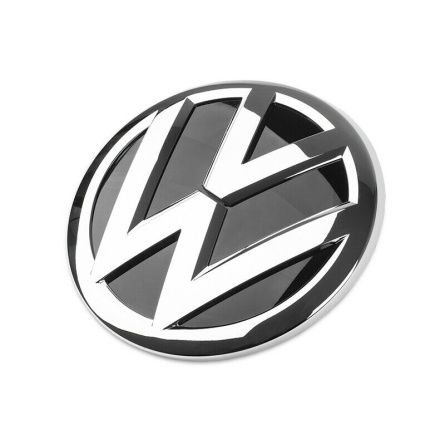
VW Badge
Volkswagen3G0853601B$63.69 -
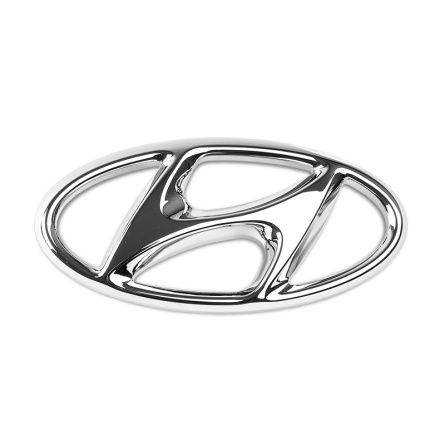
Tucson Badge
Hyundai86300D3100$36.39 -
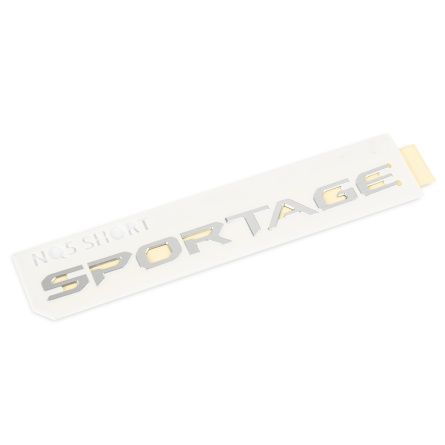
Kia Sportage Emblem
KIA86310-R2000$22.74 -
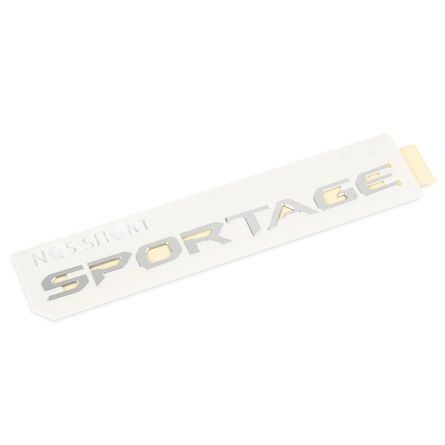
Kia Sportage Emblem
KIA86310-DW000$22.74 -
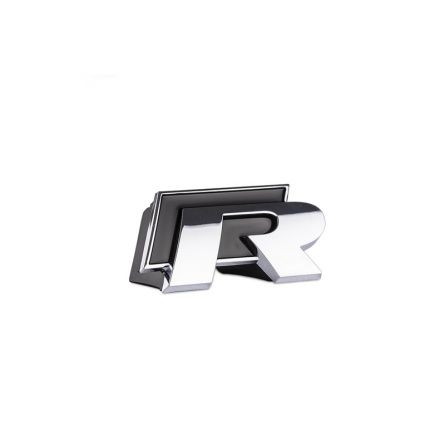
R Badge
Volkswagen5K0853679C$36.39 -
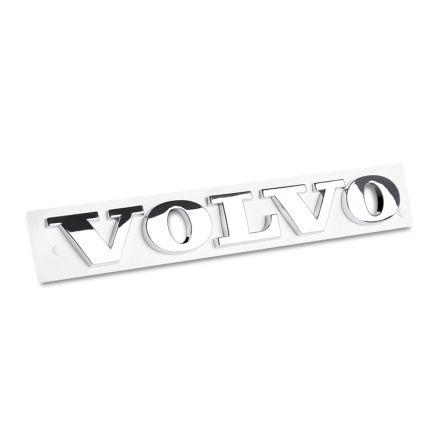
Badge
Volvo30764687$27.29 -
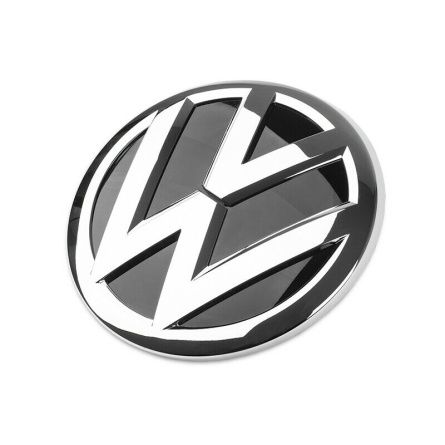
VW Badge
Volkswagen3G0853601BDPJ$63.69 -
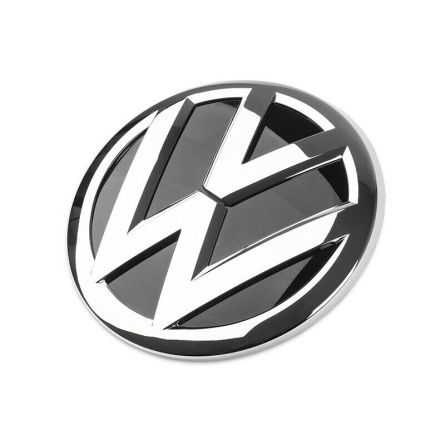
VW Badge
Volkswagen3G0853601BJZA$63.69 -
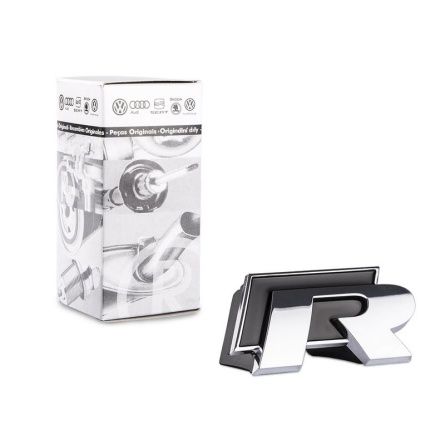
R Badge
Volkswagen5K0853679CFXC$36.39 -
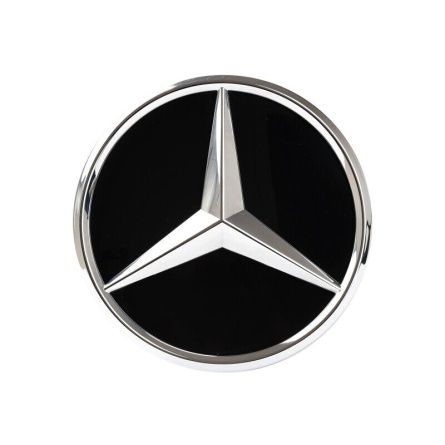
Front Badge
MercedesA1778884200$118.29 -
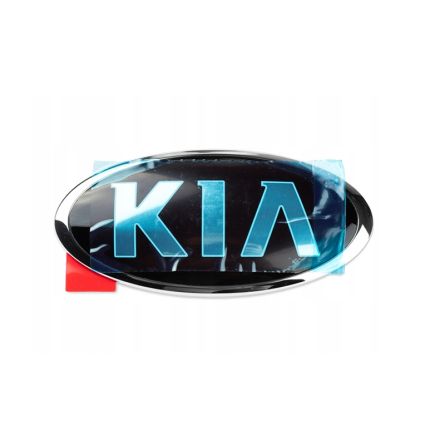
Badge
KIA86320-1W250$22.74 -
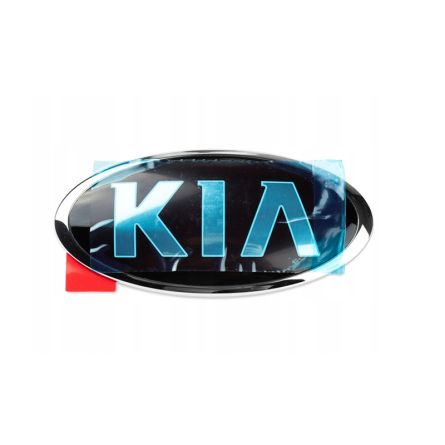
Badge
KIA86320-D9000$22.74 -
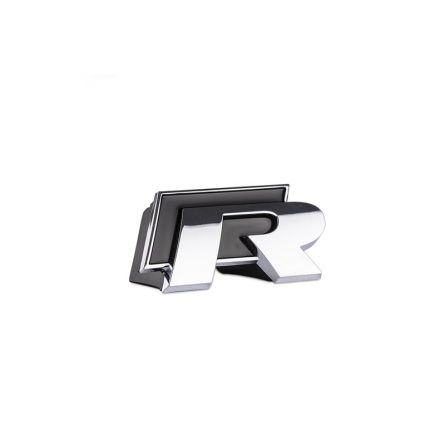
Emblem
Volkswagen5K0853679C FXC$36.39 -
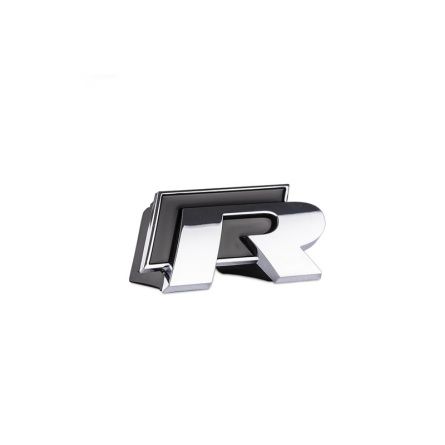
Emblem
Volkswagen5K0853679B$36.39 -
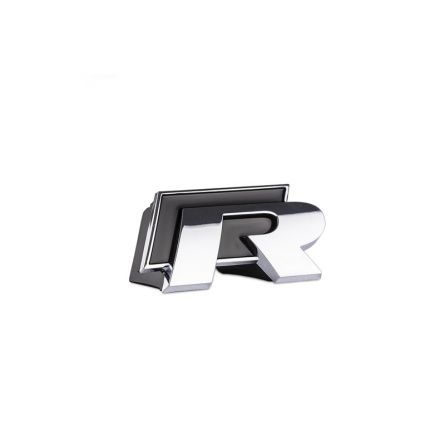
Emblem
Volkswagen5K0853679B FXC$36.39
Badges & Emblems
Car badges and emblems may appear to be small details, but they carry a powerful influence on how a vehicle is perceived. More than just decorative features, they serve as lasting expressions of identity, style, and individuality. Whether it is a sleek modern emblem that emphasizes cutting-edge design or a classic badge that recalls heritage and tradition, these elements play a vital role in shaping both the personal and brand image of a car. By combining functionality with strong visual character, car badges and emblems elevate a vehicle from being a standard machine into a statement of taste and personality.
The Role of Car Badges in Vehicle Identity
Badges are far more than ornamental additions – they are central to vehicle identity and branding. For manufacturers, an emblem is a signature that represents heritage, reputation, and quality. The instantly recognizable Mercedes-Benz star, the bold Ford oval, or the sporty Ferrari shield all communicate engineering excellence and evoke emotional connections. They help brands stand apart in a crowded market, while also reinforcing loyalty among drivers. For owners, badges often symbolize pride and passion. A carefully maintained or customized emblem can highlight attention to detail and spark conversation, linking the technical world of automotive manufacturing with the personal side of car ownership.
Types of Automotive Emblems
Automotive emblems come in several forms, each with a unique purpose. The most iconic category is the brand logo emblem, usually placed on the grille, tailgate, or steering wheel, acting as the “signature” of the car. Another type is the model designation badge, which provides information about engine size, trim level, or performance – from BMW’s M3 to Volkswagen’s GTI. These markings add exclusivity and create pride for owners. Finally, custom or aftermarket emblems allow drivers to showcase individuality beyond the manufacturer’s design. From minimalist initials to bold, creative statements, these emblems allow owners to personalize their cars in a way that reflects their character.
Materials and Manufacturing of Car Emblems
Although they may look simple, automotive emblems are made with careful attention to material selection and production. Metals such as aluminum, stainless steel, and zinc alloys are favored for their strength, corrosion resistance, and ability to achieve intricate shapes. They are often enhanced with chrome or nickel coatings to improve both shine and durability. Plastics like ABS and polycarbonate are popular for mass production, as they are versatile and lightweight, with the ability to mimic metal finishes at lower cost. Composites and layered structures that combine plastics with metallic films or resin coatings are also widely used, offering a premium look with reduced weight. Adhesives secure emblems firmly to vehicle bodies while resisting extreme weather, moisture, and cleaning chemicals.
Creating durable emblems involves precise steps. Metal emblems begin with die-casting or stamping before being polished and coated with protective finishes. Plastic versions are usually injection-molded, then painted or vacuum-metallized to replicate metallic effects. Laser etching and screen printing add fine details, while hybrid designs combine both metal and plastic for balance between strength and cost-efficiency. Every stage of production focuses on ensuring both resilience and visual appeal.
The main challenge is finding the right balance between longevity and creative freedom. Emblems are constantly exposed to sunlight, salt, rain, and road debris, so UV-resistant coatings and anti-corrosion treatments are essential. At the same time, their appearance must remain sharp and elegant, with clean edges and vibrant finishes that reflect brand quality. For automakers, emblems are seen as miniature works of art – combining engineering resilience with design precision.
Customizing Your Vehicle with Emblems
For car owners, customization with badges is a way to create individuality. Choosing a design requires thought: some prefer minimalist symbols that add refinement, while others use bold shapes or colors that draw attention. Materials influence style too – chrome for elegance, matte black for sportiness, or resin finishes for a modern twist. Placement matters just as much, whether on the grille, tailgate, fenders, or even inside the cabin. A well-placed emblem that matches proportions and design lines can transform the look of a vehicle.
In the end, automotive emblems do more than brand a car; they personalize it. They connect drivers with tradition, express individuality, and act as subtle but powerful design statements. By carefully balancing material, style, and placement, emblems become more than decorative pieces – they embody the spirit of both the brand and the driver.